






What's Happening?
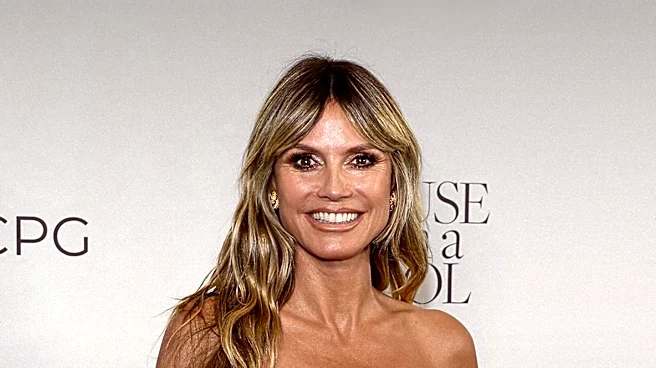
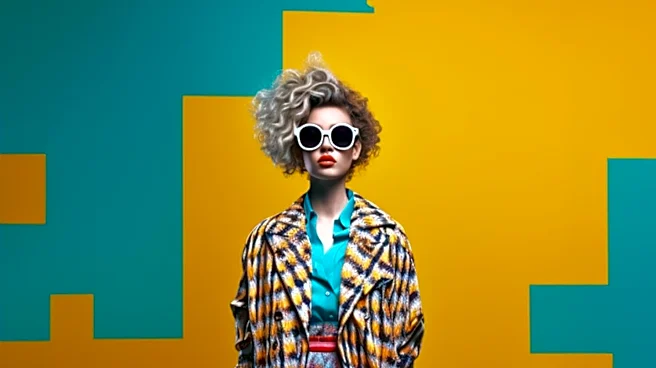
Heidi Klum is the brand face for s.Oliver's new 'Casual Since Forever' collection, which blends 1990s fashion with contemporary casual looks. The campaign features Klum alongside an AI-generated younger version of herself from the 90s, aiming to connect
her career evolution with s.Oliver's brand history. The collection itself is versatile, offering a range of everyday pieces with retro influences, including wide-leg jeans, colour-block sweatshirts, striped blouses, and various accessories. Prices for the collection range from approximately 7 Euros for small accessories to around 120 Euros for jackets. It's important to note that Klum is the brand ambassador, not the designer of the collection.
Why It's Important?
This collaboration is significant for the fashion industry as it leverages celebrity endorsement and nostalgic trends to drive consumer interest. By featuring Heidi Klum, a well-known figure with a long-standing career in fashion, s.Oliver aims to appeal to a broad demographic, including those who grew up with Klum's early career and younger consumers interested in 90s revival trends. The use of AI to create a 'younger self' for Klum in the campaign highlights the increasing integration of advanced technology in marketing strategies, offering innovative ways to tell a brand story and engage audiences. This approach can influence how other brands consider celebrity partnerships and technological applications in their campaigns, potentially setting new benchmarks for creative advertising and consumer connection.
What's Next?
The success of s.Oliver's 'Casual Since Forever' collection will likely be monitored by other fashion brands, potentially influencing future marketing strategies that combine celebrity endorsements with nostalgic themes and technological innovations like AI-generated imagery. If the collection performs well, it could lead to further collaborations between Heidi Klum and s.Oliver or inspire similar partnerships across the industry. The campaign's emphasis on 'casual since forever' suggests a long-term brand message that could evolve with future collections, continuing to draw on timeless styles and celebrity appeal. The reception of the AI-generated imagery could also inform future uses of such technology in advertising, depending on consumer engagement and feedback.
Beyond the Headlines
The campaign's use of an AI-generated younger Heidi Klum delves into deeper implications regarding identity, authenticity, and the passage of time in celebrity culture. It raises questions about how technology can be used to manipulate or recreate public figures, and what this means for the perception of reality in advertising. Ethically, it touches upon the representation of self and the commercialization of personal history. Culturally, the 90s revival trend, amplified by a figure synonymous with that era, reflects a broader societal longing for past aesthetics and simpler times. This blend of nostalgia and cutting-edge technology in marketing could reshape how brands connect with consumers, offering both opportunities for creative expression and challenges related to ethical representation and consumer trust.