





What's Happening?
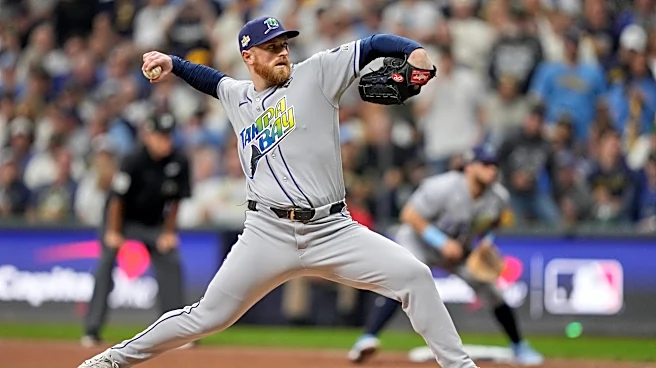
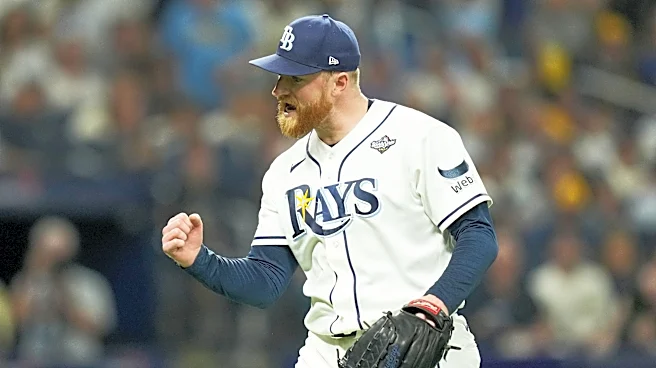
Tampa Bay Rays starting pitcher Nick Martinez has declined his $20 million mutual option for the 2027 season, opting instead for a $4 million buyout and becoming a free agent. This decision was announced on Friday, following a career-best year for Martinez with
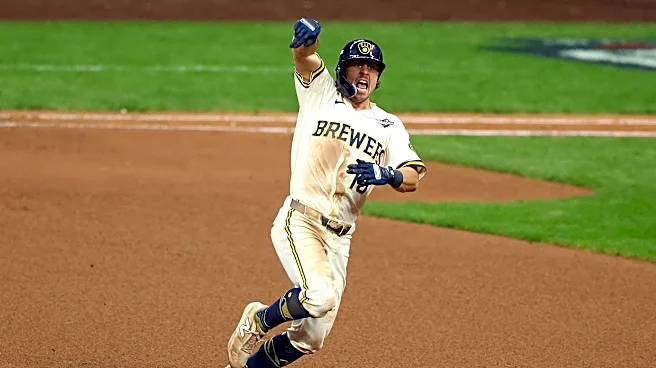
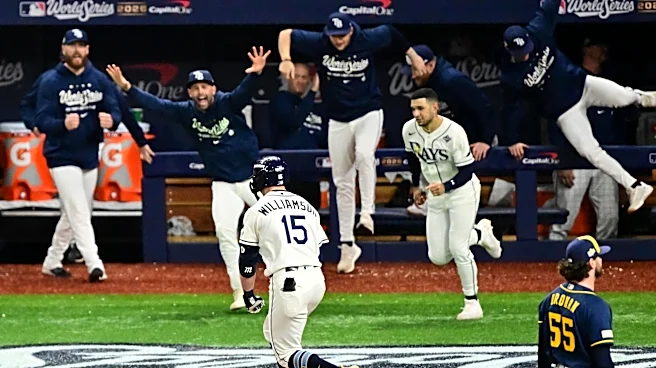
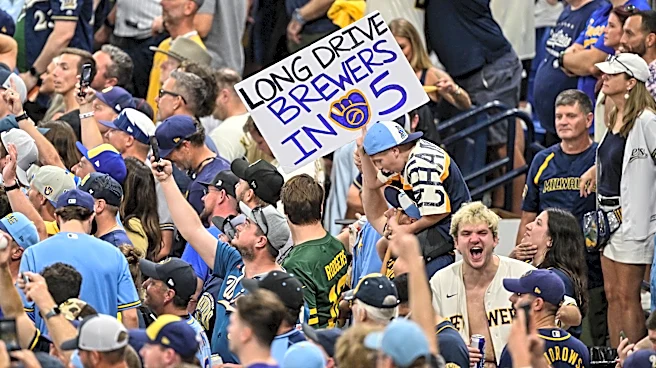
the Rays. During the 2026 season, Martinez, who earned $9 million, achieved a 15-6 record with a 3.10 ERA and 109 strikeouts over 180 innings in 31 starts. He was also named an All-Star for the first time in his MLB career and started Game 1 of the World Series for the American League pennant winners. The Rays ultimately lost the World Series to the Milwaukee Brewers 4-1. While the Rays could have also declined their end of the mutual option, Martinez's strong performance made it a possibility they would have exercised it.
Why It's Important?
Martinez's decision to decline his mutual option and enter free agency is significant for both the player and the Tampa Bay Rays. For Martinez, it allows him to capitalize on his career-best performance in 2026, where he demonstrated durability and effectiveness as a starting pitcher. At 36 years old, this could be his last opportunity to secure a substantial multi-year contract on the open market. For the Rays, losing a key starter like Martinez creates a void in their rotation that will need to be addressed. His departure means the team will need to either pursue other free-agent pitchers, develop internal talent, or potentially re-engage Martinez on a new contract with different terms. The $4 million buyout provides some financial flexibility, but the on-field impact of losing an All-Star caliber pitcher is considerable for a team aiming for continued postseason success.
What's Next?
Nick Martinez will now test the free-agent market, where he is expected to attract significant interest from teams looking for a durable veteran starter. His strong 2026 season, which included an All-Star selection and a World Series start, positions him well for favorable contract offers. While he has declined the mutual option with the Rays, there remains a possibility that Martinez and the team could negotiate a new contract with different terms. The Rays, meanwhile, will need to assess their pitching needs and explore options to fill the gap left by Martinez's departure. This could involve scouting other free agents, considering trade opportunities, or promoting prospects from their minor league system to bolster their rotation for the upcoming season.
Beyond the Headlines
The trend of mutual options rarely being exercised by both sides, as noted by Jon Heyman, highlights a broader dynamic in professional sports contracts. Mutual options are often structured to provide flexibility for both the player and the team, but they frequently lead to one party declining to pursue better opportunities or avoid financial commitments. For players like Martinez, a strong performance in the option year can significantly increase their market value, making it financially advantageous to decline the option and seek a larger contract. For teams, it allows them to avoid potentially overpaying for a player whose performance might decline or whose role might change. This contractual mechanism often serves as a strategic tool for both parties to re-evaluate their positions and maximize their respective interests in a highly competitive league.