
What's Happening?
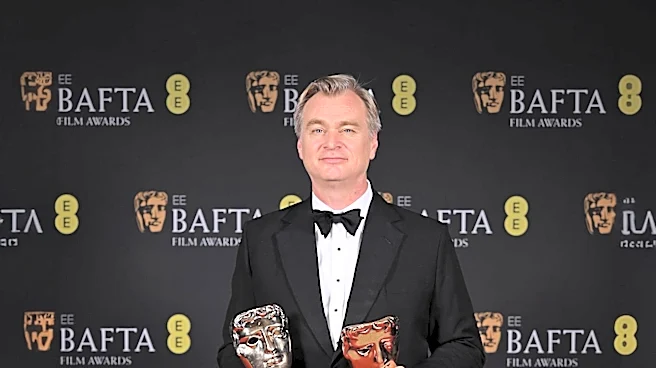
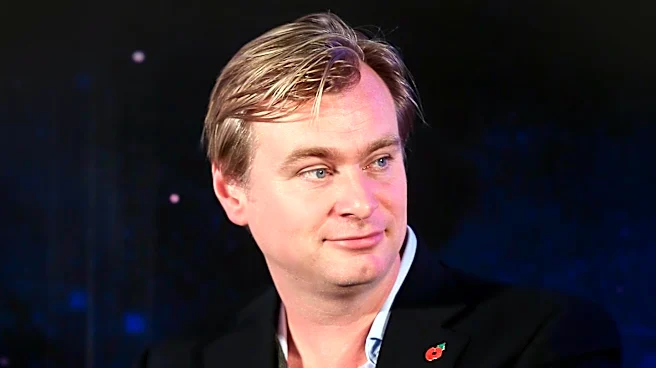
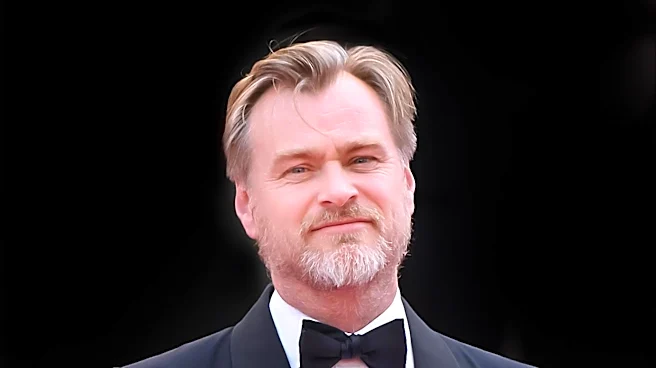
Christopher Nolan, the acclaimed filmmaker, has responded to criticism of his latest film, 'The Odyssey,' which has been a subject of debate following a review by classicist Emily Wilson. Wilson, known for her translation of Homer's 'The Odyssey,' criticized
the film for its character depth and narrative execution. Nolan, without directly naming Wilson, addressed what he perceives as a 'fundamental flaw of film criticism' on a podcast, arguing that identifying storytelling mechanisms does not invalidate them. Despite the criticism, 'The Odyssey' has been successful at the box office and is a strong contender for several Oscar nominations, including Best Picture and Best Director.
Why It's Important?
The exchange highlights the ongoing tension between filmmakers and critics, particularly when adaptations of classic literature are involved. Nolan's defense underscores the challenges filmmakers face in balancing artistic vision with audience expectations and critical reception. The film's success despite the criticism suggests that audience engagement and box office performance can diverge from critical opinion. This situation also reflects broader discussions in the film industry about the role of criticism and the evolving language of cinema. The film's potential Oscar nominations could further cement its impact and influence in contemporary filmmaking.
What's Next?
As 'The Odyssey' continues to perform well commercially, its journey through the awards season will be closely watched. The film's reception at upcoming award ceremonies, particularly the Oscars, will be pivotal in determining its legacy. The ongoing discourse between critics and filmmakers may influence future adaptations of literary works, potentially leading to new approaches in storytelling. Stakeholders in the film industry, including producers and directors, may also reassess their strategies in handling criticism and engaging with audiences.