





What's Happening?
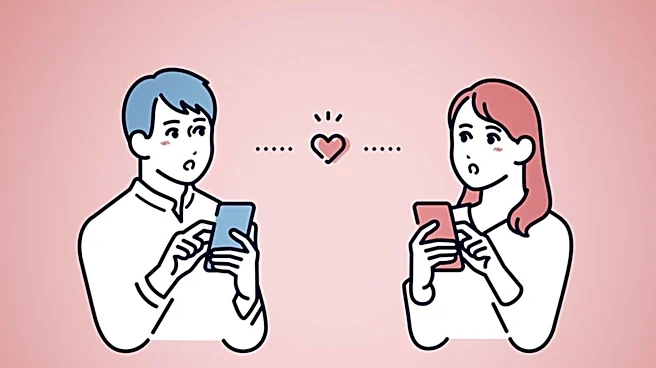
Dr. Leah E. LeFebvre, a researcher at the University of Alabama, is exploring how technology and trends are reshaping the dating landscape in the digital age. Her studies delve into contemporary phenomena such as handling rejection on dating apps like
Tinder, how individuals manage their social media profiles after a breakup, and the emergence of new dating vernacular like 'ghosting,' 'couple goals,' 'soft launch,' and 'Facebook official' (FBO). Dr. LeFebvre's research examines how mobile dating apps have altered engagement between hopeful singles and whether social media places additional pressure on couples to project an image of happiness. She emphasizes that while technology changes human habits, fundamental needs for connection, safety, and love remain constant.
Why It's Important?
The insights from Dr. LeFebvre's research are crucial for understanding the evolving social fabric of the U.S., particularly among younger generations. The widespread adoption of dating apps and social media has fundamentally altered how Americans initiate and maintain romantic relationships. This shift has implications for mental health, as individuals navigate new forms of rejection and the pressure to curate an online persona. Understanding these dynamics is vital for developing support systems and educational programs that address the unique challenges of digital-age relationships. Furthermore, the emergence of new terminology reflects a cultural adaptation to these technological changes, highlighting how language itself evolves to describe new social behaviors and expectations in romantic interactions.
What's Next?
Continued research by academics like Dr. LeFebvre will be essential to fully grasp the long-term effects of digital platforms on relationships. This research could inform the development of healthier online dating practices and social media etiquette. We might see educational initiatives aimed at helping young people navigate the complexities of digital romance, including managing expectations, coping with rejection, and fostering authentic connections online. Furthermore, dating app developers and social media platforms may be influenced by these findings to implement features that promote more positive and less superficial interactions. The ongoing evolution of technology means that the landscape of relationships will continue to change, necessitating continuous study and adaptation.
Beyond the Headlines
Dr. LeFebvre's work touches upon the deeper philosophical question of how technology mediates human connection. It highlights the tension between the convenience and expanded reach offered by digital tools and the potential for superficiality, miscommunication, and emotional distress. The pressure to maintain a 'perfect' online image for relationships, for instance, can lead to a performative aspect of romance, where the focus shifts from genuine connection to external validation. This research also implicitly raises questions about privacy, consent, and the ethical implications of algorithms in shaping romantic encounters. Ultimately, it underscores that while the tools of connection change, the underlying human desire for intimacy and belonging remains, challenging us to adapt our social and emotional intelligence to a rapidly evolving digital world.