

What's Happening?
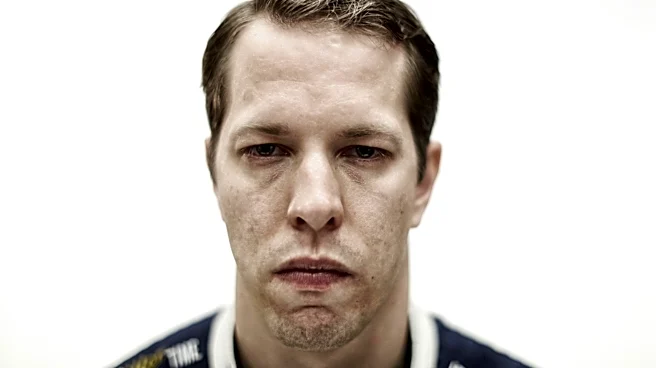
Brad Keselowski, a co-owner of RFK Racing, is reportedly a potential obstacle to Fenway Sports Group's (FSG) pursuit of an ownership stake in Cadillac's Formula 1 team. According to The Athletic, FSG, which owns the Boston Red Sox and Liverpool FC, is among
several parties interested in acquiring a stake in the Cadillac operation from billionaire Mark Walter's TWG Global. However, a clause in Keselowski's ownership agreement with FSG and Roush Enterprises prevents either party from pursuing motorsports ventures outside NASCAR without the other's permission. As of November 14, Keselowski had not granted FSG permission to invest in Cadillac. While discussions are permissible, signing a purchase agreement for an F1 team stake without Keselowski's approval would violate the existing agreement. Keselowski joined Roush Fenway Racing in 2022 as a driver and co-owner, acquiring a 20% stake, and played a significant role in the team's revival as RFK Racing. Although his departure as a driver was confirmed in September 2026, his ownership stake remains a separate, unresolved issue.
Why It's Important?
This situation highlights the complexities of ownership agreements in professional sports and their potential to impact significant financial transactions. FSG's ambition to expand its motorsports portfolio into Formula 1, a global racing series with increasing U.S. viewership, is a substantial business move. The reported $3 billion valuation sought by TWG Global for a stake in Cadillac's F1 operation underscores the high stakes involved. Keselowski's unresolved ownership stake in RFK Racing, even after his departure as a driver, demonstrates how contractual clauses can create unexpected hurdles for large corporations like FSG. The outcome of this situation could determine the speed and feasibility of FSG's entry into Formula 1, potentially affecting the competitive landscape of both NASCAR and F1, and influencing future investment strategies in motorsports. For Keselowski, his leverage in this situation could impact the terms of his eventual exit from RFK Racing.
What's Next?
The immediate next step involves the resolution of Brad Keselowski's 20% ownership stake in RFK Racing. While a verbal agreement to unwind his stake exists, it has not yet been formally signed, meaning the restrictive clause remains in effect. Until Keselowski's ownership is fully unwound, FSG will need his explicit permission to proceed with a purchase agreement for a stake in the Cadillac F1 team. This could lead to further negotiations between Keselowski and RFK Racing/FSG to finalize the terms of his exit. The Athletic's sources indicate that the clause would cease to apply once Keselowski's ownership stake is unwound, suggesting that the completion of this process is crucial for FSG's F1 aspirations. The situation could either delay FSG's entry into Formula 1 or necessitate a revised approach to their investment strategy, depending on how quickly and amicably the ownership issue is resolved.
Beyond the Headlines
This scenario delves into the intricate legal and financial frameworks governing sports team ownership and the long-term implications of partnership agreements. It underscores how individual ownership stakes, even minority ones, can exert significant influence over the strategic direction and expansion efforts of major sports conglomerates. The situation also highlights the growing convergence of different motorsports disciplines, with entities like FSG looking to diversify their investments across various racing series. The potential for a NASCAR co-owner to impact a Formula 1 deal illustrates the interconnectedness of the sports business world. Furthermore, it raises questions about the due diligence processes in large-scale acquisitions and the importance of clearly defined exit clauses in ownership agreements to prevent future complications. The outcome could set a precedent for how similar cross-sport investments are structured and executed in the future.