





What's Happening?
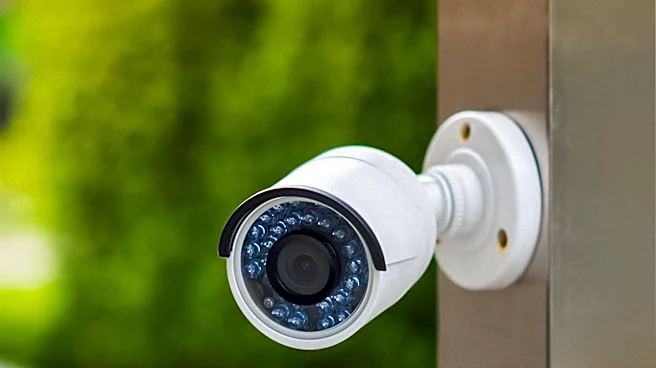
Building an effective home protection system with security cameras requires careful consideration beyond just purchasing the latest model. Homeowners need to assess their daily routines, identify critical areas for monitoring, and understand the differences
between wired and wireless camera systems. Key factors include evaluating video quality beyond resolution, checking night vision capabilities, and understanding storage options, which can range from local memory cards to cloud-based solutions. Privacy is also a significant concern, necessitating proper camera placement to avoid recording neighboring properties and ensuring strong account security with unique passwords and multi-factor authentication. Additionally, avoiding common setup mistakes, such as improper camera height or poor Wi-Fi signal, is crucial for optimal performance.
Why It's Important?
The increasing availability and sophistication of home security cameras make it vital for U.S. homeowners to make informed decisions when investing in these systems. A well-planned security camera setup can significantly enhance personal safety and property protection, offering peace of mind whether residents are home or away. Conversely, a poorly chosen or installed system can lead to false senses of security, privacy breaches, or wasted investment. This guidance helps consumers navigate a complex market, ensuring they select systems that align with their specific needs and budget. The emphasis on privacy and cybersecurity also highlights growing concerns about data protection in an increasingly connected world, impacting consumer trust and regulatory frameworks.
What's Next?
As smart home technology continues to evolve, consumers can expect further advancements in home security cameras, including more sophisticated AI-driven analytics for motion detection and facial recognition, while still adhering to privacy standards. The market will likely see continued innovation in battery life for wireless cameras and more seamless integration with other smart home devices. There will also be an ongoing need for consumer education regarding best practices for installation, maintenance, and cybersecurity to maximize the benefits of these systems while mitigating risks. Manufacturers will likely focus on user-friendly interfaces and flexible storage solutions to cater to diverse consumer preferences.
Beyond the Headlines
The widespread adoption of home security cameras raises deeper questions about the balance between security and privacy in residential areas. While these cameras offer protection, they also contribute to a more surveilled society, potentially impacting neighborhood dynamics and individual freedoms. Legal and ethical debates surrounding data ownership, retention, and access by law enforcement are likely to intensify. Furthermore, the reliance on technology for security could create a digital divide, where those who can afford advanced systems have greater protection, while others remain vulnerable. This trend also underscores the importance of robust cybersecurity infrastructure to protect personal data from breaches and unauthorized access, a critical concern for national digital security.