




What's Happening?
Downtown Dunedin businesses are petitioning the City Commission to establish an open-container entertainment district and reinstate large-scale 'Second Friday' events. Jason Seibert, owner of Flanagan’s Irish Pub and Rosie’s Tavern, along with approximately
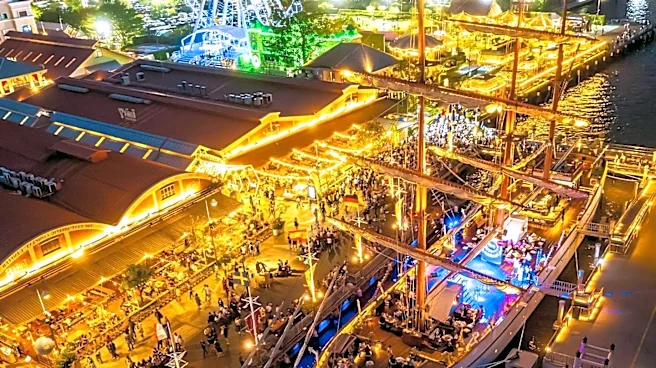
30 other local establishments, has brought this proposal forward. The concept involves the city selling branded cups to merchants, who would then sell beverages in these cups, allowing customers to carry their drinks within designated corridors during city-approved hours. Seibert emphasized that the appeal lies in the ability for patrons to move freely between different bars and establishments. Businesses report a decline in market share compared to neighboring cities and are grappling with increased operational costs, leading to reduced discretionary spending among consumers. The revival of 'Second Friday' events is envisioned as a mini-festival environment to attract more visitors and create a lively atmosphere.
Why It's Important?
This initiative holds significant economic implications for Dunedin's downtown area. If approved, an open-container district and large-scale events could boost foot traffic, increase sales for local businesses, and enhance the city's appeal as a tourist and entertainment destination. Businesses are seeking these changes to combat rising costs and competition from nearby cities, aiming to revitalize their economic standing. However, the proposal also raises concerns among some residents, such as Jeremy Reynolds, who question the city's infrastructure capacity to handle such events and worry about potential increases in public safety issues and associated taxpayer costs. The debate highlights the delicate balance between fostering economic growth for local businesses and addressing community concerns regarding public order, infrastructure strain, and potential impacts on residential areas. The decision will shape the future character and economic vitality of downtown Dunedin.
What's Next?
Currently, the business community has requested that the City Commission consider the concept of an open-container district, but no formal proposal is under consideration. The next steps would involve the City Commission formally reviewing the proposal, potentially conducting feasibility studies, and engaging in public hearings to gather broader community feedback. If the concept moves forward, detailed planning would be required to define specific corridors, operating hours, and enforcement mechanisms for the open-container district. Similarly, the logistics and potential impact of reviving large-scale 'Second Friday' events would need to be thoroughly assessed, including considerations for public safety, sanitation, and traffic management. The City Commission's decision will depend on weighing the potential economic benefits against the concerns raised by residents and the practical challenges of implementation.
Beyond the Headlines
The push for an open-container entertainment district in Dunedin reflects a growing trend in many U.S. cities to create vibrant, pedestrian-friendly zones that encourage social interaction and support local businesses. This strategy often aims to cultivate a unique urban identity and attract tourism, but it also brings into focus broader societal discussions about alcohol consumption in public spaces and its impact on community well-being. The tension between economic development and quality of life for residents is a common theme in such initiatives. Furthermore, the comparison to neighboring cities like Safety Harbor underscores the competitive landscape among municipalities vying for consumer spending and tourism dollars. The outcome in Dunedin could influence how other communities in Florida and beyond approach similar proposals, balancing economic aspirations with civic responsibilities and resident concerns.