

What's Happening?
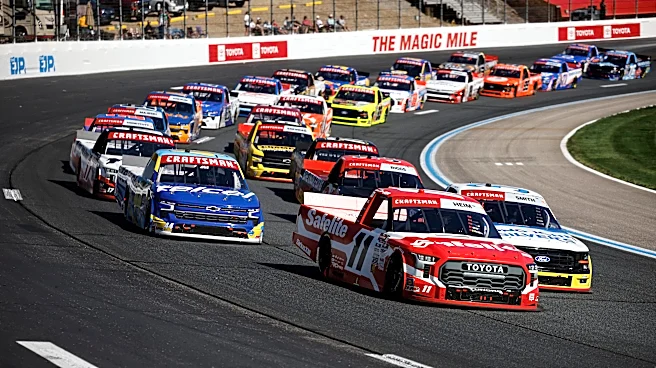
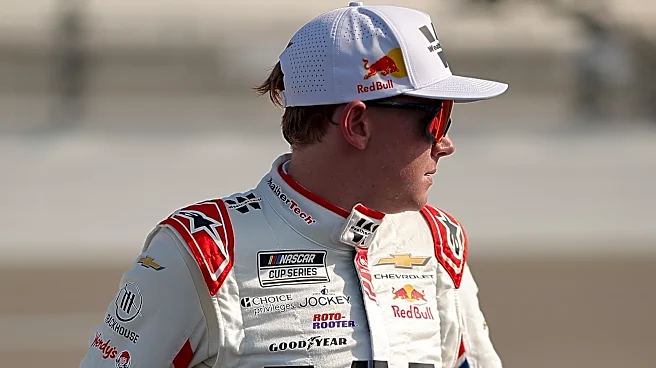
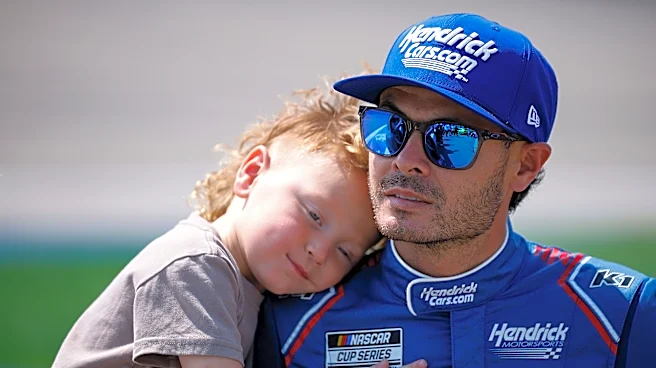
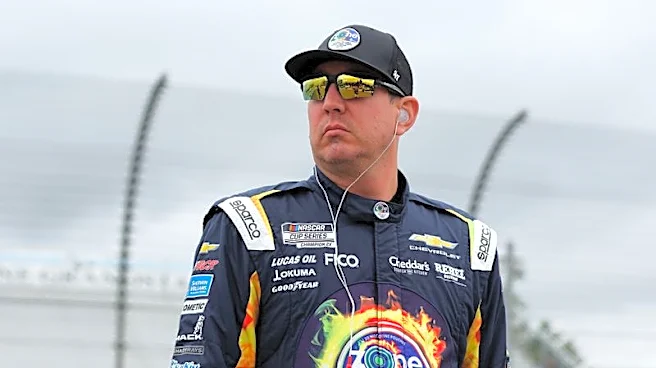
Hendrick Motorsports (HMS) is experiencing a performance downturn in the current NASCAR season, despite having three drivers—Chase Elliott, Kyle Larson, and William Byron—qualified for the playoffs. The team's Chevrolet cars have secured only six wins
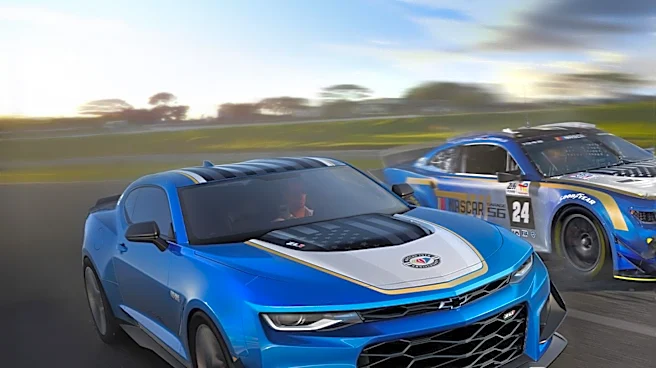
this year, with Chase Elliott being the sole HMS driver to reach Victory Lane, winning at Martinsville and Texas. This contrasts sharply with last season, where HMS drivers dominated the Cup Series standings. Analysts on NASCAR’s official Inside the Race podcast, including veteran crew chief Todd Gordon, have noted that while HMS is 'not bad,' they are 'just not Hendrick good.' Former Cup Series driver Kyle Petty added that HMS drivers are frequently in 'no man’s land,' relying heavily on strategy. The primary reason for this slump is attributed to the new Chevrolet body introduced for 2026, which wiped out years of setup data and did not integrate well with NASCAR's new lower-downforce, 750-horsepower package for short tracks. This has forced teams to start from scratch in terms of car setups.
Why It's Important?
The struggles of Hendrick Motorsports, a historically dominant team in NASCAR, highlight significant challenges within the sport's competitive landscape and manufacturer development. The introduction of a new Chevrolet car body, intended as an advancement, has inadvertently created a setback, impacting not only HMS but other Chevrolet teams as well. This situation underscores the critical role of vehicle design and its compatibility with racing regulations in determining team performance. The reliance on strategy over raw speed, as noted by analysts, suggests a shift in competitive dynamics, where tactical decisions become more crucial in races. For sponsors and fans, a less dominant HMS could alter viewership and engagement, as consistent front-runners often drive interest. The broader implication for NASCAR is the potential for increased parity or, conversely, a period of adjustment as teams and manufacturers adapt to new car specifications and rule changes, affecting the overall excitement and predictability of the season.
What's Next?
Hendrick Motorsports is actively working to overcome its current performance slump, with recent results at Richmond showing some progress as all four HMS cars finished in the top ten. However, winning speed is not yet consistently present. Looking ahead, HMS is already planning for the future, having signed 20-year-old Connor Zilisch to replace Alex Bowman in the No. 48 Ally Chevrolet starting in 2028. Bowman is currently 29th in the standings and is set to retire after the 2027 season. Ally Financial is committed as the primary sponsor for Zilisch, ensuring financial stability for the team. This signing marks a significant change, as it will break the longest unchanged driver lineup in the team's 41-year history, which has been consistent since 2021. The organization's long-term vision is evident, with Kyle Larson locked in through 2031, William Byron through 2029, and Chase Elliott through 2027, indicating a strategic focus on securing top talent for sustained competitiveness.
Beyond the Headlines
The strategic signing of Connor Zilisch by Hendrick Motorsports, two years before his debut, reveals a deeper trend in NASCAR: the aggressive pursuit and long-term development of young talent. Rick Hendrick's comparison of Zilisch to a young Jeff Gordon underscores the high expectations and the organization's commitment to nurturing future champions, even amidst current performance challenges. This move also has ripple effects on other aspiring drivers, such as Corey Day, whose path to a Hendrick seat is now closed despite a development deal. This highlights the intense competition for coveted spots in top-tier teams and the calculated risks teams take in securing talent. The situation also brings to light the ethical considerations of long-term contracts and the potential impact on drivers whose opportunities may be curtailed. Furthermore, the ongoing struggle with the new Chevrolet body could prompt broader discussions within NASCAR regarding the balance between innovation, competitive fairness, and the stability of team performance, potentially influencing future car design regulations and testing protocols.