








What's Happening?
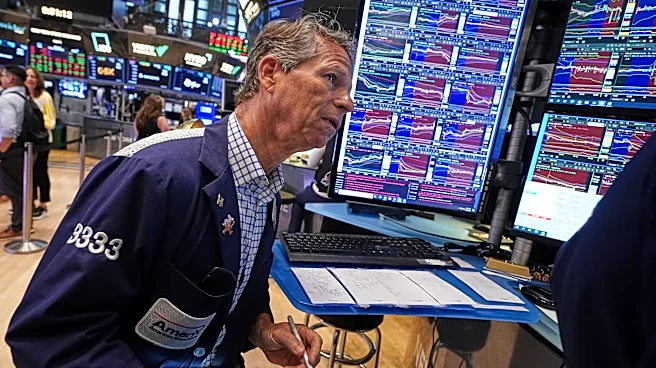
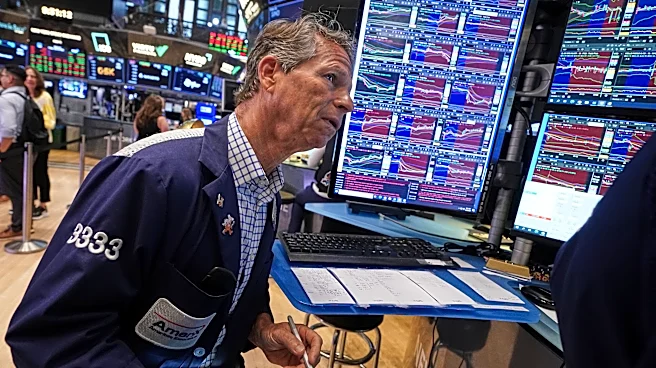
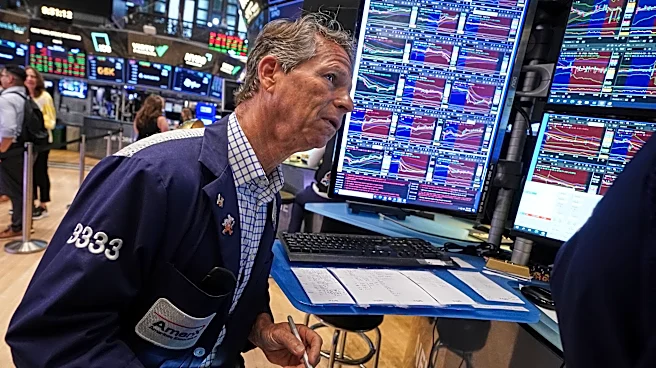
Investors are closely monitoring the U.S. stock market as it enters the second half of 2026, with particular attention on the Federal Reserve's upcoming meeting minutes and earnings reports from major companies like Delta Air Lines and PepsiCo. The market has
experienced volatility, especially in technology shares, which have been pivotal in driving recent gains. The S&P 500 saw a 14.9% increase in the second quarter, marking its best performance since 2020. However, recent fluctuations in tech stocks have raised concerns about the sustainability of this rally. Investors are also keen on understanding the Federal Reserve's stance on interest rates, especially after the first meeting led by new chair Kevin Warsh, who emphasized a focus on price stability amid inflation concerns.
Why It's Important?
The Federal Reserve's decisions on interest rates are crucial as they can significantly impact borrowing costs for consumers and businesses, influencing overall economic activity. Higher rates could make bonds more attractive compared to stocks, potentially affecting market valuations. The upcoming earnings season is also critical, as it will provide insights into corporate performance and consumer spending trends. Strong earnings could validate the current market trajectory and support continued growth, while disappointing results might trigger a broader market pullback. The tech sector's performance remains a focal point, given its substantial influence on market indices.
What's Next?
Investors will be analyzing the Federal Reserve's meeting minutes for clues on future rate hikes and the central bank's approach to inflation, particularly in light of recent energy price fluctuations. The earnings reports from Delta Air Lines and PepsiCo will offer early indicators of consumer spending patterns and economic resilience. As the earnings season progresses, the market will look for confirmation of strong corporate profits to sustain the current rally. Additionally, any shifts in the Federal Reserve's policy or unexpected economic data could lead to adjustments in market expectations and valuations.