






What's Happening?
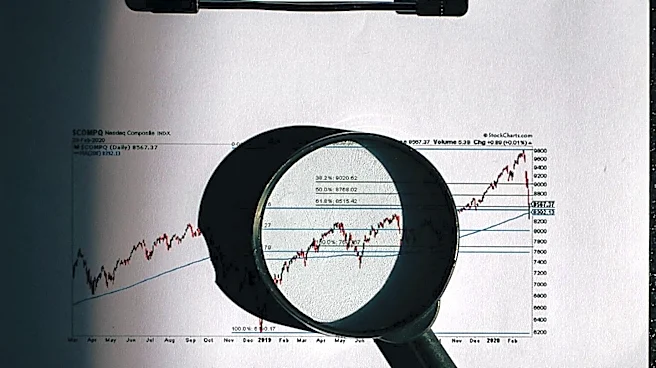
ClearPath Financial Partners, through its President Ryan Kittredge, is advising individuals nearing retirement on strategies to manage 'sequence-of-returns risk.' This risk refers to the potential for market downturns early in retirement to significantly
and permanently impact long-term financial security. Kittredge highlights that investment strategies effective during accumulation years often become detrimental during distribution years, as retirees transition from saving to living off their nest egg. He explains that while market volatility is painful for all savers, those with a steady paycheck can better stomach downturns compared to retirees whose portfolios are directly funding their living expenses. The firm advocates for a 'bucket approach,' segmenting portfolios to include a 'war chest' of three to five years of withdrawals in stable instruments like laddered CDs, Treasury bonds, and money market funds. This approach aims to provide predictable income and prevent the need to sell depressed assets during market slumps.
Why It's Important?
This guidance is crucial for U.S. retirees and those approaching retirement, as it addresses a significant threat to financial stability: the timing of market performance relative to retirement commencement. The 'sequence-of-returns risk' can lead to substantial differences in portfolio longevity, even for retirees with identical average returns, depending on when market downturns occur. By emphasizing individualized planning over generic risk tolerance questionnaires, ClearPath Financial Partners underscores the need for tailored strategies that consider specific expenses, income sources, family dynamics, and legacy goals. The 'bucket approach' offers a practical method for retirees to maintain their planned lifestyle and avoid emotional decisions driven by market fluctuations, thereby safeguarding their financial future against unforeseen market events. This proactive planning can prevent the erosion of retirement savings and ensure a more secure retirement.
What's Next?
Individuals nearing retirement are encouraged to reassess their investment strategies and consider adopting more individualized and conservative approaches for their immediate post-retirement years. Financial advisors are likely to increasingly emphasize strategies like the 'bucket approach' to help clients navigate market volatility. Retirees will need to actively engage with their financial planners to create a robust plan that accounts for potential market downturns and ensures a stable income stream. The focus will shift towards minimizing lifetime taxes through strategic withdrawals, Roth conversions, and coordinated income planning, as previously discussed by Ryan Kittredge. This proactive engagement will be essential for maintaining financial security and achieving long-term retirement goals amidst unpredictable market conditions.
Beyond the Headlines
The discussion around sequence-of-returns risk highlights a broader shift in retirement planning philosophy, moving away from a sole focus on accumulation towards a more nuanced approach that prioritizes income generation and capital preservation during the distribution phase. This shift reflects the increasing longevity of retirees and the need for portfolios to sustain individuals for potentially multi-decade retirements. The 'tornadoes versus termites' analogy used by Kittredge underscores the dual challenge of managing sudden market shocks while also combating the slow erosion of purchasing power due to inflation. This comprehensive view of retirement planning emphasizes the psychological aspect of investing, aiming to remove emotion from financial decisions by establishing logical, pre-determined plans for market events. The individualized approach also acknowledges the diverse financial landscapes of retirees, moving beyond one-size-fits-all solutions.