




What's Happening?
The global fragrance diffuser market is experiencing significant growth, with projections indicating it will reach US$55.6 billion by 2033, expanding at a Compound Annual Growth Rate (CAGR) of 7.8% between 2026 and 2033. This surge is primarily driven
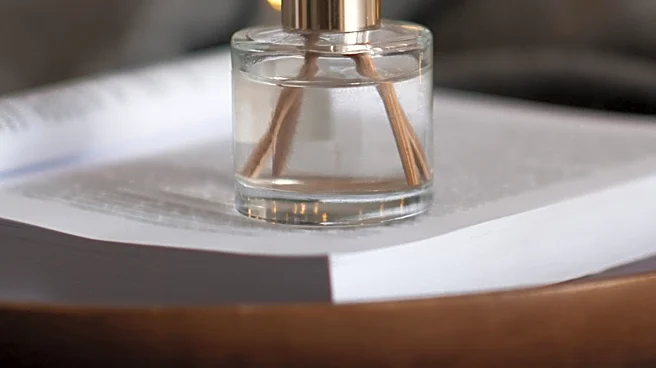
by an increasing consumer focus on enhancing home ambiance and lifestyle. Fragrance diffusers are becoming integral to home fragrance, personal wellness, hospitality, and commercial ambiance industries, offering a convenient method to introduce pleasant aromas into indoor spaces. Consumers are increasingly incorporating these products into their daily routines to create comfortable and aesthetically pleasing living environments. Beyond residential use, diffusers are gaining traction in commercial settings such as offices, hotels, restaurants, spas, and retail stores, where scent is strategically employed to influence atmosphere and customer experience. Product innovation, appealing designs, evolving lifestyles, and a growing awareness of fragrance-based wellness are key factors contributing to this market expansion. Electric and ultrasonic diffusers are particularly strong performers due to their convenience, controlled fragrance dispersion, and compatibility with modern interiors.
Why It's Important?
The expansion of the fragrance diffuser market signifies a broader shift in consumer priorities towards sensory experiences and personalized environments, impacting various U.S. industries. For the retail sector, this translates into increased demand for home improvement and lifestyle products, creating opportunities for manufacturers and retailers of fragrance diffusers and related accessories. The hospitality industry, including hotels, spas, and restaurants, stands to benefit from enhanced customer experiences and stronger brand identities through the strategic use of scent marketing. Businesses can differentiate themselves and foster customer loyalty by creating unique olfactory environments. Furthermore, the growing connection between fragrance and wellness presents opportunities for the personal care and wellness industries, as consumers seek products that integrate into their daily relaxation routines. This trend also highlights the increasing professionalization of commercial scenting, opening new avenues for specialized fragrance solution providers and creating a competitive landscape focused on product design, fragrance variety, convenience, and premium positioning.
What's Next?
Looking ahead, the fragrance diffuser market is poised for continued innovation and expansion. Manufacturers are expected to focus on developing smart fragrance diffuser technology, integrating devices with smart-home ecosystems to offer consumers greater control over scent intensity and scheduling. This technological advancement will appeal to consumers interested in connected lifestyle products. Sustainability will also be a key area of development, with an emphasis on environmentally responsible packaging, refillable systems, recyclable components, and ethically sourced fragrance ingredients. Brands that prioritize these aspects can strengthen their differentiation and appeal to eco-conscious consumers. Additionally, premiumization and customization will drive market opportunities, as consumers increasingly seek distinctive fragrance profiles tailored to their moods, seasons, or lifestyle preferences. This trend will also extend to commercial clients, who will seek customized fragrance solutions to create unique sensory identities for their establishments. Online retail will continue to play a crucial role in enabling niche fragrance brands to reach targeted consumer groups, further diversifying the market.
Beyond the Headlines
The burgeoning fragrance diffuser market reflects deeper societal trends related to well-being, personalization, and the sensory economy. Beyond mere product sales, the widespread adoption of scent diffusers underscores a cultural shift where individuals and businesses are actively curating their environments to evoke specific emotions and experiences. This has ethical implications regarding the ingredients used in fragrances, with growing consumer awareness about indoor air quality and potential sensitivities. Manufacturers face the challenge of transparently communicating product composition and developing formulations that are both appealing and perceived as safe. Legally, this could lead to increased scrutiny and regulation of fragrance ingredients and labeling. Culturally, the emphasis on personalized scents and ambient experiences signifies a move towards more immersive and curated living and working spaces, where the olfactory sense is recognized as a powerful tool for memory, mood, and brand perception. This long-term shift suggests that scent will become an even more integral component of design, marketing, and personal expression.