






What's Happening?
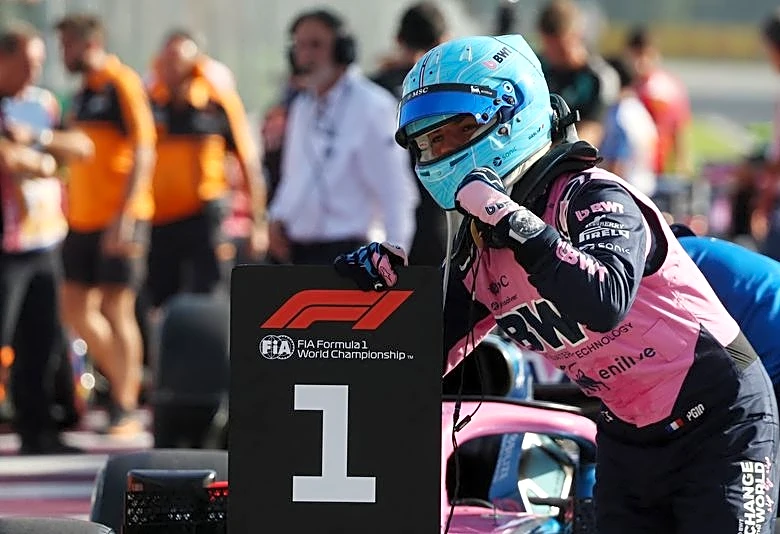
The FIA Court of Appeal has issued a strong rebuttal to claims made by Alpine executive advisor Flavio Briatore, who alleged bias against a judge involved in a recent ruling. Briatore claimed that one of the judges in the case that reinstated penalties
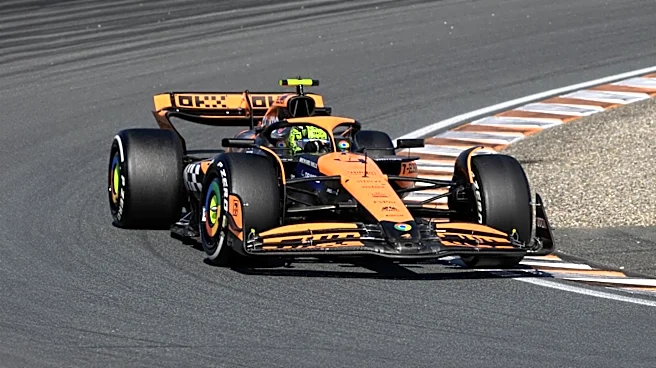
on Alpine's Pierre Gasly in the Monaco Grand Prix had 'links' with McLaren, one of the teams that brought the appeal. According to Briatore, these links stemmed from the judge's attendance at a 2018 charity auction in California where McLaren reportedly donated cars. McLaren has vehemently denied any connection to the judge. The FIA's highest legal authority stated that its judges are subject to strict independence and confidentiality requirements, make annual disclosures of interests, and sign specific declarations of independence for each case. The court also noted that all parties involved were invited to raise any concerns about the proceedings or the court's composition both before and after the hearing, and no objections were raised. McLaren team principal Andrea Stella publicly expressed his anger and called Briatore's allegations 'insulting' to McLaren's reputation.
Why It's Important?
This dispute highlights significant tensions within Formula 1 regarding judicial integrity and fairness, particularly following a high-stakes appeal decision. Briatore's public accusations, made without providing evidence, challenge the impartiality of motorsport's governing body and could undermine confidence in its judicial processes. For McLaren, the allegations are a direct attack on their reputation and could imply undue influence, which they strongly refute. The FIA's firm response is crucial for maintaining the credibility of its judicial system and ensuring that decisions are perceived as fair and unbiased. Such public disagreements can also create a contentious atmosphere among competing teams, potentially affecting future interactions and the overall sporting environment. The incident underscores the intense scrutiny and high stakes involved in Formula 1, where every decision, especially those impacting race results and championship points, is met with significant attention and potential controversy.
What's Next?
Following the FIA Court of Appeal's definitive statement, the immediate focus will likely shift back to the ongoing Formula 1 season. While the FIA has firmly rejected Briatore's claims, the incident may lead to increased scrutiny of judicial appointments and processes within motorsport. It is unlikely that Briatore's allegations will result in any formal re-evaluation of the appeal decision, given the FIA's strong defense of its judges' integrity and procedures. McLaren has indicated they are unlikely to escalate the matter further, having made their position clear through Andrea Stella's strong rebuttal. However, the judge named by Briatore may consider seeking redress, though no official action has been announced. The broader implication could be a more cautious approach by team principals when making public statements that question judicial impartiality, as the FIA has demonstrated its readiness to defend its institutions vigorously.
Beyond the Headlines
This incident delves into deeper issues of transparency and accountability within international sports governance. Briatore's claims, regardless of their veracity, expose the vulnerability of judicial bodies to public accusations, especially when decisions are contentious. The FIA's emphasis on judges' independence, annual disclosures, and specific declarations for each case reflects established best practices in arbitration, aiming to prevent conflicts of interest. However, the public nature of Briatore's accusations, made in a high-profile press conference, demonstrates how perceptions of fairness can be challenged, even when formal procedures are followed. This situation could prompt a broader discussion within Formula 1 and other international sports about how to better communicate judicial processes and safeguard the reputation of judges against unsubstantiated claims, ensuring that the integrity of the sport remains unquestioned by all stakeholders.