






What's Happening?
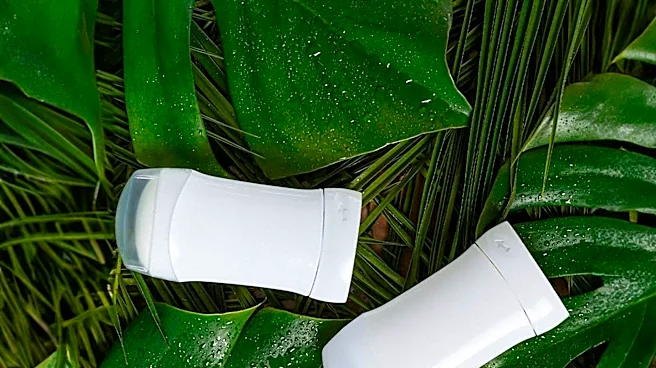
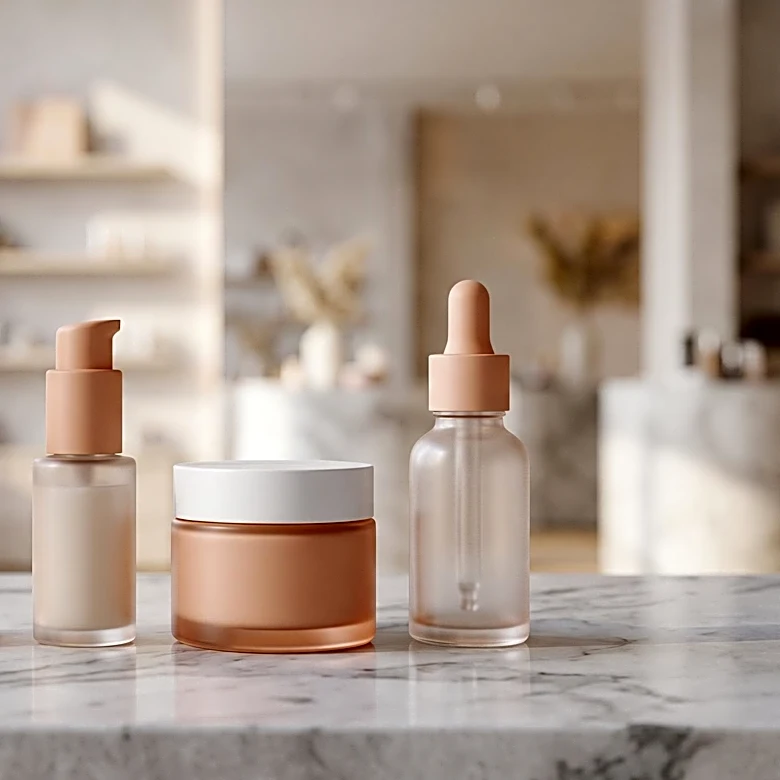
The beauty industry is experiencing a growing trend towards refillable products and sustainable packaging solutions, driven by consumer demand and regulatory pressures. Companies like Dior and Sol De Janeiro are offering refillable options for their products,
such as moisturizing lotions and body creams, available at retailers like Sephora. This shift is part of a broader movement within the cosmetics and fragrances packaging market, which is projected to grow significantly. Quadpack Group, a specialist in high-end packaging, is actively pursuing innovations like refillable systems and the use of post-consumer recycled content to align with circular economy mandates. North America and Europe are at the forefront of this demand, with consumers increasingly willing to adopt refillable and reusable packaging, supported by policy initiatives promoting recyclability and extended producer responsibility.
Why It's Important?
This trend is significant for the U.S. beauty industry as it reflects a fundamental shift in consumer values and corporate responsibility. The increasing demand for refillable products and sustainable packaging impacts manufacturing processes, supply chains, and product development strategies. Companies that adapt to these demands by investing in eco-friendly solutions stand to gain market share and enhance brand loyalty. Conversely, those that lag may face consumer backlash and regulatory challenges. The emphasis on recyclability and reduced waste also influences investment in advanced recycling infrastructure and the development of new materials. This shift could lead to a more sustainable industry, reducing environmental impact and fostering innovation in packaging technology.
What's Next?
The future will likely see continued expansion of refillable product lines across more beauty brands and categories. Packaging manufacturers like Quadpack will further innovate in modular designs, sustainable materials, and luxury finishes to meet evolving brand and consumer expectations. Regulatory bodies in North America and Europe are expected to introduce more stringent mandates regarding recyclability, recycled content targets, and extended producer responsibility, which will further accelerate the adoption of sustainable packaging. Brands will also likely focus on educating consumers about the benefits and proper use of refillable systems to ensure widespread adoption and maximize environmental impact. The market will also see increased collaboration between brands, packaging suppliers, and recycling facilities to create more efficient closed-loop systems.
Beyond the Headlines
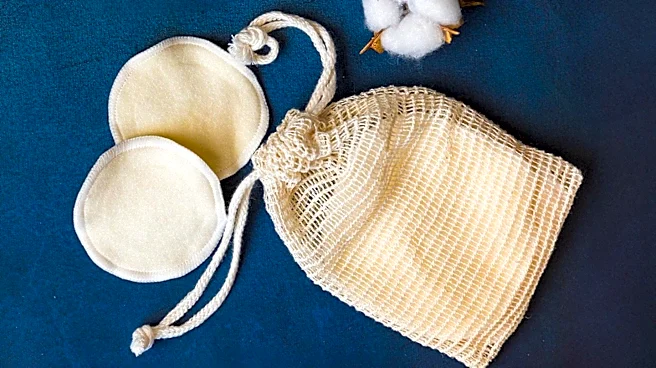
Beyond the immediate environmental benefits, the move towards refillable beauty products signifies a deeper cultural shift towards conscious consumption. This trend challenges the traditional linear economy model of 'take-make-dispose' and promotes a more circular approach. It also raises questions about product design, durability, and the consumer experience, as refillable packaging needs to be both functional and aesthetically pleasing. Furthermore, the increased focus on sustainable packaging could spur innovation in material science, leading to the development of novel biodegradable or infinitely recyclable materials. This shift could also influence retail spaces, with more dedicated refill stations and services becoming commonplace, transforming the shopping experience for beauty consumers.