




What's Happening?
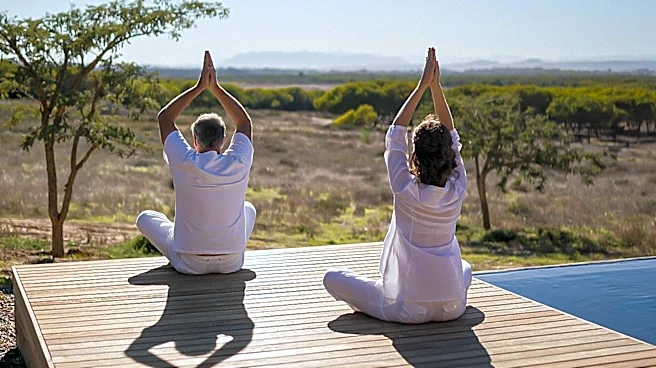
Wellness escapes are increasingly becoming a standard part of people's lifestyles, offering opportunities for rest, rejuvenation, and personal reset. Various destinations, both within the U.S. and internationally, are catering to this growing demand with diverse
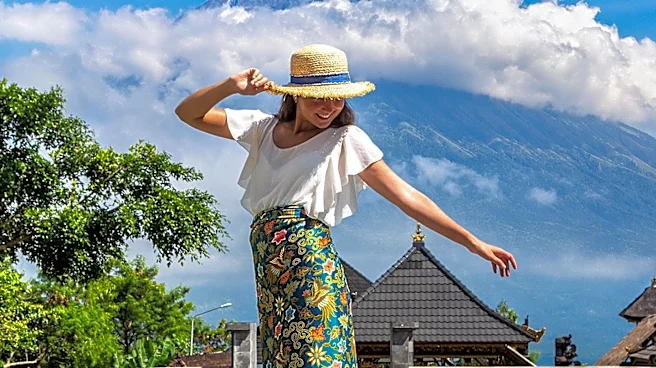
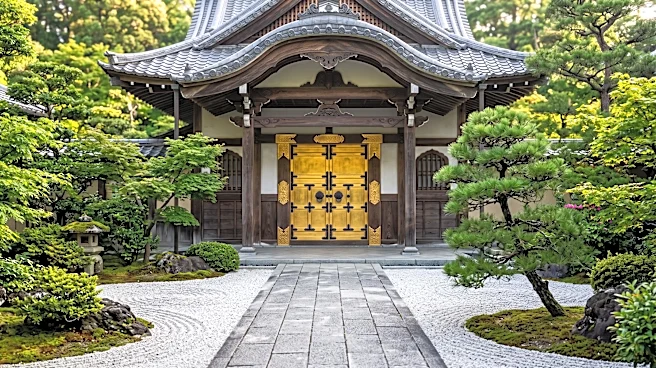
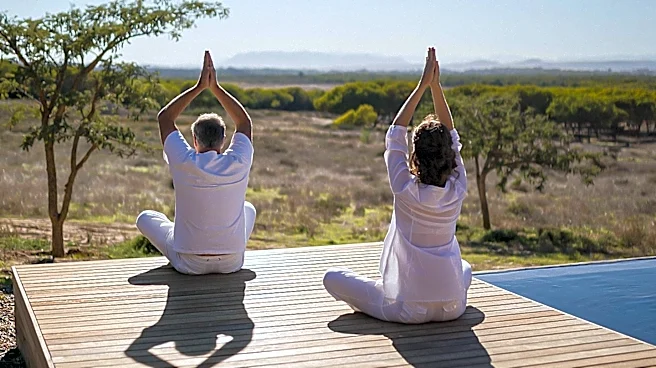
offerings. In Bali, resorts such as Prama Sanur Beach Bali and Awatara Boutique Resort provide a range of wellness retreats, from relaxed getaways to more secluded experiences. Domestically, the Nobu Hotel in Palo Alto is enhancing its luxurious Ryokan Suites with new wellness programming. Fort Lauderdale is also seeing a variety of wellness retreats, spanning from tantra-focused programs to fitness-oriented vacations. Even in urban centers like New York City, the Soho Grand Hotel is highlighting local wellness spots, underscoring the trend of integrating wellness into travel and daily life. This widespread adoption indicates a shift in how individuals approach self-care and leisure, moving beyond traditional vacations to more purposeful and health-focused travel.
Why It's Important?
The rise of wellness escapes as a lifestyle norm signifies a significant shift in consumer priorities, impacting the travel, hospitality, and wellness industries. For the U.S. travel industry, this trend presents both opportunities and challenges. Destinations and hotels that can effectively integrate wellness components into their offerings stand to gain a competitive edge, attracting a demographic willing to invest in experiences that promote physical and mental well-being. This could lead to increased demand for specialized services, such as personalized fitness programs, mindfulness workshops, and healthy culinary options. Conversely, businesses that fail to adapt to this evolving consumer preference might see a decline in bookings. The broader societal impact includes a greater emphasis on holistic health, potentially influencing public policy related to health and recreation, and encouraging more individuals to prioritize self-care. Economically, this trend supports local economies in wellness-focused regions, creating jobs in hospitality, health services, and related sectors, while also driving innovation in wellness-related products and services.
What's Next?
The trend of wellness escapes is expected to continue its upward trajectory, leading to further innovation and diversification within the wellness tourism sector. We can anticipate more hotels and resorts, both in the U.S. and globally, to introduce or expand their wellness programs, potentially offering more niche and specialized retreats tailored to specific health goals or interests. This might include retreats focused on digital detox, sleep optimization, or specific dietary regimens. There could also be an increase in collaborations between wellness experts, such as nutritionists, yoga instructors, and mental health professionals, and hospitality providers to create comprehensive and immersive experiences. Furthermore, technology is likely to play a larger role, with apps and wearable devices integrating with wellness programs to offer personalized tracking and support before, during, and after a retreat. As consumer awareness of mental and physical health grows, the demand for accessible and diverse wellness options will likely drive continuous evolution in this market.
Beyond the Headlines
The growing embrace of wellness escapes reflects a deeper societal shift towards prioritizing personal well-being and a more mindful approach to life. This trend moves beyond mere luxury and touches upon fundamental aspects of modern living, including stress management, work-life balance, and the search for meaning. Ethically, it raises questions about accessibility, as high-end wellness retreats can be financially exclusive, potentially widening the gap in health and well-being opportunities. Culturally, it signifies a departure from traditional vacation models focused solely on leisure or sightseeing, towards experiences that promise personal growth and transformation. This shift could also influence urban planning and community development, with a greater emphasis on creating spaces that support well-being, such as green spaces, meditation centers, and healthy food options. In the long term, the normalization of wellness escapes could contribute to a more health-conscious society, fostering a greater understanding of the interconnectedness between physical, mental, and emotional health, and encouraging individuals to proactively manage their well-being.