







What's Happening?
Autistic burnout recovery necessitates more than just passive rest; it requires safe sensory activation to genuinely heal the nervous system. While reducing demands is foundational, many autistic individuals find that simply lying down or stopping activities
does not alleviate their exhaustion. Instead, their brains may remain overactive, replaying conversations, reorganizing thoughts, or cycling through worries. This occurs because passive rest, which relies on the absence of stimulation, can lead to hyper-activation of the Default Mode Network, trapping tension in the body, and causing 'depressurization shock' when abruptly shifting from high-demand environments to total stillness. Effective recovery involves providing precise, low-demand, high-safety sensory inputs that anchor attention, discharge motor tension, and signal genuine safety to the nervous system, allowing for experiences of pleasure, predictability, and autonomy without overwhelm.
Why It's Important?
This understanding of autistic burnout recovery is crucial for improving the well-being and functional capacity of autistic individuals in the U.S. Misguided advice to simply 'rest' can prolong suffering and hinder recovery, leading to increased frustration and a sense of failure. By recognizing that autistic nervous systems require specific types of sensory engagement for true restoration, healthcare providers, caregivers, and autistic individuals themselves can implement more effective strategies. This shift can lead to better mental health outcomes, reduced chronic stress, and improved quality of life for a significant portion of the population. It also highlights the importance of individualized approaches to well-being, moving beyond generic self-care recommendations to address neurodivergent needs specifically.
What's Next?
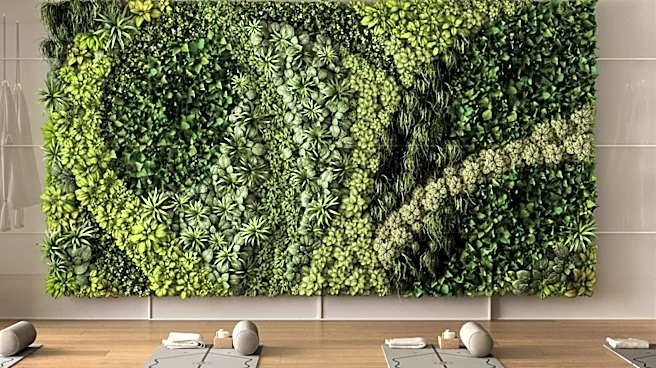
Moving forward, there is a clear need for broader education and implementation of strategies that incorporate safe sensory activation into autistic burnout recovery plans. This involves identifying and integrating 'micro-pleasures'—specific, low-demand sensory experiences that provide comfort, engagement, and relief without creating additional pressure. Healthcare professionals and therapists working with autistic individuals should be trained in these nuanced recovery methods. Autistic individuals can explore various sensory inputs that resonate with them, such as gentle movement, predictable visual patterns, or specific textures, to find what helps regulate their nervous system. The goal is to shift from merely removing stressors to actively providing restorative sensory experiences that promote genuine healing and resilience.
Beyond the Headlines
The distinction between passive rest and safe sensory activation in autistic burnout recovery sheds light on a broader issue within neurodiversity: the inadequacy of neurotypical-centric approaches to well-being. It underscores that what is restorative for one neurological profile may not be for another, challenging the 'one-size-fits-all' model of self-care. This perspective encourages a deeper appreciation for the unique sensory and cognitive processing styles of autistic individuals, advocating for personalized and neuro-affirming support. It also highlights the ethical imperative to listen to and validate the lived experiences of neurodivergent people, moving beyond assumptions and towards evidence-based, individualized care that truly meets their needs, fostering greater inclusivity and understanding in mental health and wellness practices.