
What's Happening?
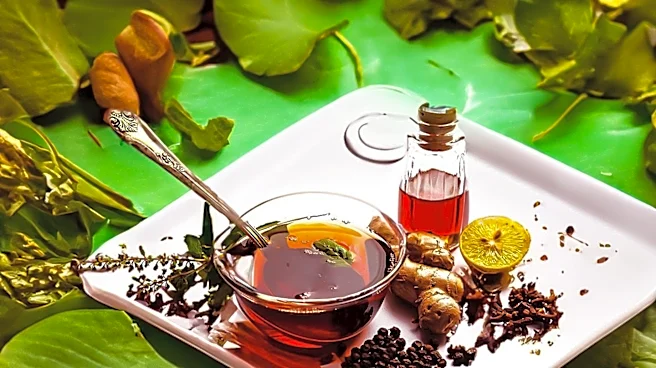
Across various cultures, ritualized morning and evening routines often incorporate traditional herbal preparations. In Brazil, Quebra Pedra syrup is a staple at family festivals, frequently mixed with
citrus beverages and enhanced with ginger or local fruit peels. Indian traditions feature Bhumyamalaki tea, brewed with amla and cumin seeds, as a central element for quiet, contemplative sips in the early morning. In Latin America, chanca piedra infusion is commonly prepared with fresh lime or honey and served over ice, often garnished with native herbs like lemongrass for a refreshing afternoon ritual. These practices highlight the cultural significance of herbal remedies in daily life and communal gatherings, reflecting a deep connection to local flora and ancestral wisdom. The preparation methods, such as infusions, decoctions, and syrups, vary by region, each designed to extract specific flavors and properties from the plants. These rituals are not merely about consumption but also about connection to heritage, mindfulness, and community.
Why It's Important?
The global prevalence of these ritualized herbal routines underscores the enduring human connection to nature and traditional wellness practices. For U.S. consumers and industries, this trend highlights a growing interest in ethnobotany, natural health, and cultural authenticity. The demand for unique, traditionally prepared herbal products could influence the U.S. market for specialty teas, natural supplements, and wellness beverages, potentially leading to increased imports of these ingredients or the development of similar domestic products. Furthermore, these practices offer insights into mindful consumption and the integration of wellness into daily life, which resonates with the increasing U.S. consumer focus on holistic health and self-care. Understanding these global traditions can also foster cross-cultural appreciation and inform product development that respects cultural origins and sustainable sourcing practices, impacting ethical trade and consumer choices.
What's Next?
The growing interest in global herbal traditions suggests a continued expansion of the U.S. market for ethnobotanical products. Consumers are likely to seek out more diverse and authentic herbal teas, syrups, and infusions, prompting manufacturers and retailers to broaden their offerings. This could lead to increased research into the benefits and traditional uses of plants like chanca piedra, Quebra Pedra, and Bhumyamalaki. We may also see a rise in workshops and educational programs focused on traditional herbal preparation methods, as consumers look to incorporate these rituals into their own lives. Furthermore, the emphasis on mindful sourcing and ethical trade practices will likely intensify, influencing supply chains and encouraging partnerships with communities that have historically cultivated and utilized these plants. This trend could also inspire culinary innovations, with chefs and beverage creators incorporating these traditional flavors into modern menus.
Beyond the Headlines
Beyond the immediate market implications, these ritualized herbal routines reflect deeper cultural values concerning health, community, and connection to the environment. The act of preparing and sharing these beverages often symbolizes continuity, respect for elders, and a communal bond, offering a counter-narrative to the fast-paced, individualistic aspects of modern life. Ethically, the increasing global demand for these traditional herbs raises questions about sustainable harvesting, intellectual property rights of indigenous communities, and equitable benefit-sharing. There's a delicate balance between commercializing these traditions and preserving their cultural integrity and ecological sustainability. Long-term, the integration of these practices into mainstream wellness could foster a greater appreciation for biodiversity and traditional ecological knowledge, potentially influencing broader environmental conservation efforts and promoting a more holistic understanding of well-being that extends beyond individual health to encompass community and planetary health.