




What's Happening?
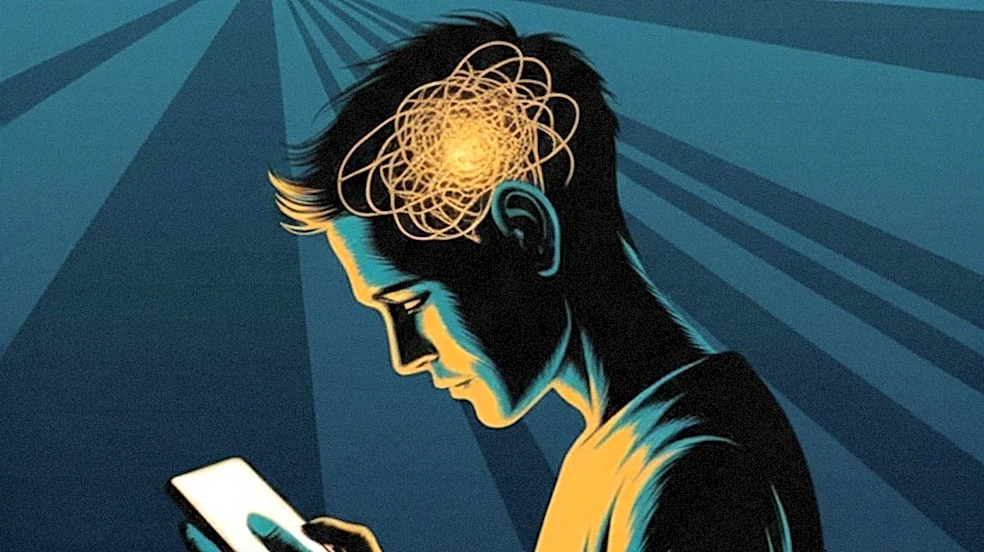
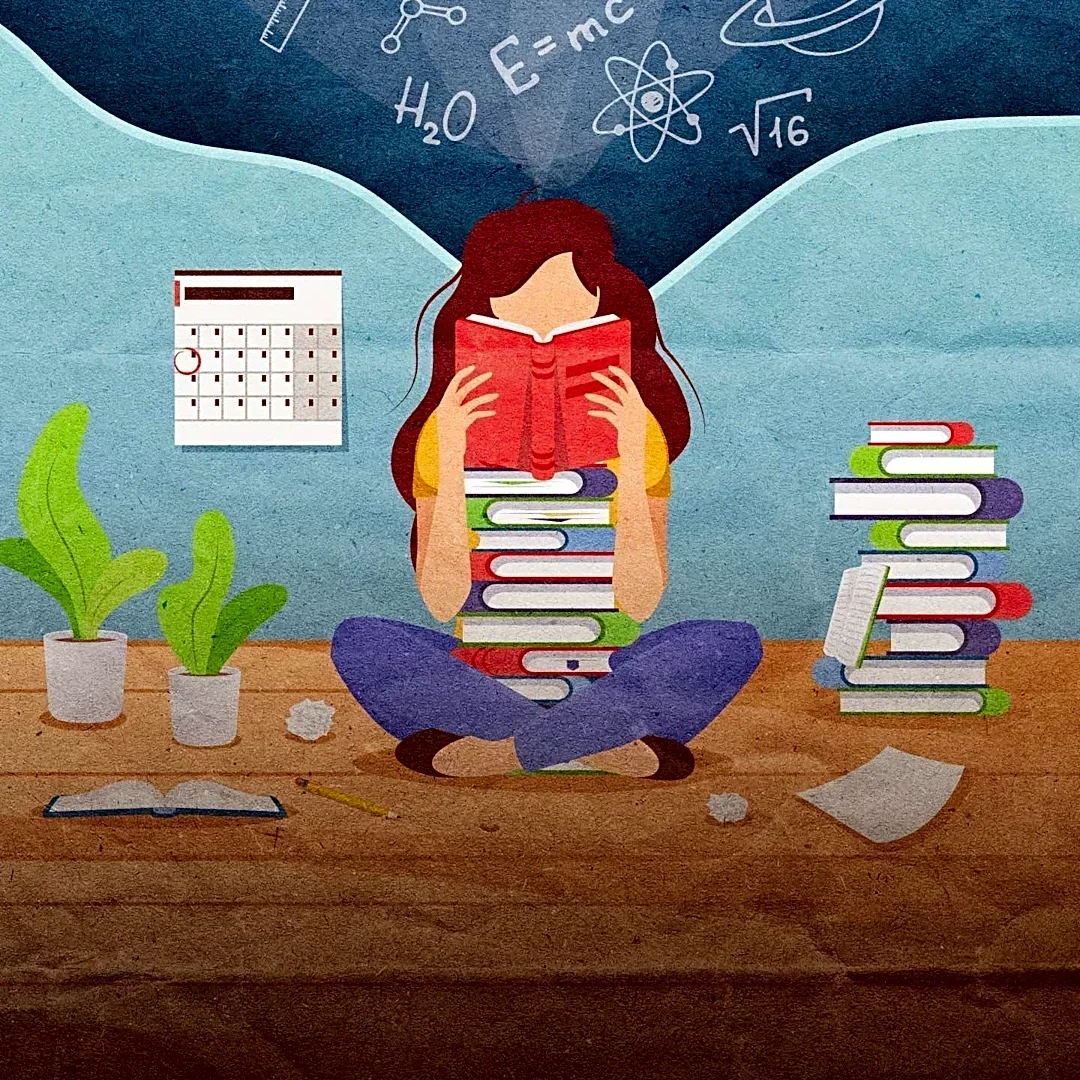
A new trend on TikTok, dubbed 'brain stacking,' is gaining traction as users advocate for replacing excessive screen time with mentally stimulating analog activities. This practice involves assembling a collection of items like Sudoku books, crossword
puzzles, novels, and journals, keeping them readily accessible to engage the brain during moments typically spent scrolling on digital devices. The goal is not necessarily to enhance intelligence rapidly but to foster concentration, creativity, and critical thinking by diverting attention from phones. Creators on platforms like TikTok and Instagram Reels are showcasing their 'brain stacks' as part of their daily routines, particularly in the mornings and evenings, to encourage a more mindful approach to leisure and mental engagement.
Why It's Important?
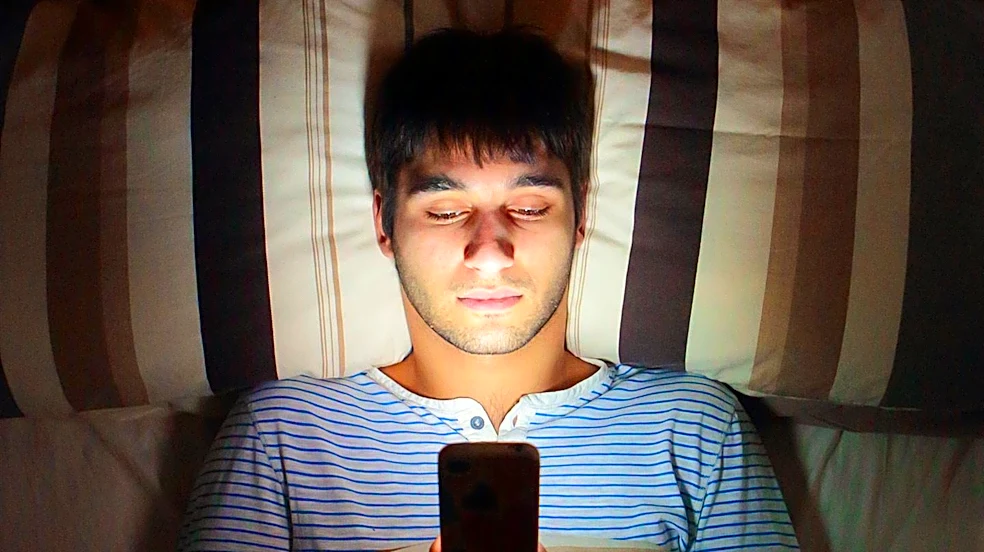
The 'brain stacking' trend highlights a growing societal concern in the U.S. regarding the impact of digital overuse on attention spans and cognitive function. As terms like 'brain rot' become common, this movement offers a practical, accessible antidote to constant digital stimulation. For individuals, it promotes mental well-being by encouraging engagement with tangible activities that require focus and thought, potentially reducing digital fatigue and improving cognitive health. Economically, this trend could see a resurgence in demand for traditional analog products such as physical books, puzzles, and stationery, benefiting industries that produce these goods. It also underscores a broader cultural shift towards valuing offline experiences and intentional disengagement from the digital world.
What's Next?
The 'brain stacking' trend is likely to continue evolving, potentially leading to more structured programs or communities focused on digital detox and analog engagement. We might see an increase in products marketed specifically for 'brain stacking,' such as curated puzzle sets or aesthetically pleasing journals. Educational institutions and wellness programs could also incorporate similar concepts to encourage healthier digital habits. As the trend gains more visibility, there may be further discussions about the balance between digital connectivity and mental well-being, prompting tech companies to consider features that support mindful usage. The ironic nature of a screen-free trend originating on TikTok also suggests ongoing conversations about the platform's influence on lifestyle choices.
Beyond the Headlines
Beyond its immediate popularity, 'brain stacking' touches upon deeper psychological and cultural implications. It reflects a collective yearning for authenticity and tangible experiences in an increasingly digital world. The trend implicitly critiques the addictive nature of social media and the passive consumption it often entails, advocating for active engagement and self-improvement. Ethically, it raises questions about consumerism, as some participants may feel pressured to purchase new items to create an 'aesthetically pleasing' stack, despite the trend's core message of using existing resources. Culturally, it contributes to a broader movement of 'slow living' and mindfulness, emphasizing the value of deliberate, screen-free activities for personal growth and mental peace. This trend could foster a greater appreciation for traditional forms of learning and entertainment.