







What's Happening?
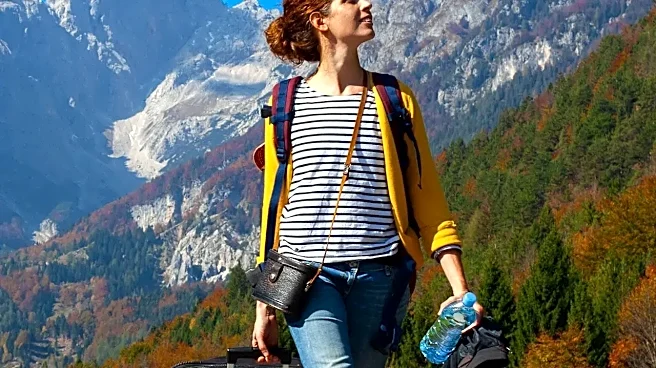
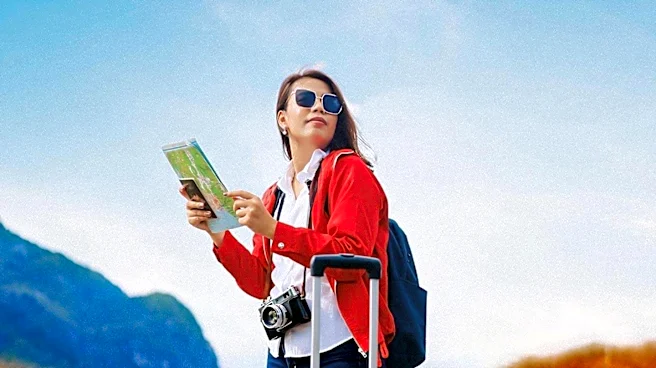
Solo female travel is gaining traction, with an increasing focus on safety and empowerment through meticulous preparation. Destinations like Norway, Australia, Japan, and Canada are highlighted as particularly safe due to low crime rates and welcoming
environments. Key recommendations for solo female travelers include sharing itineraries with a trusted contact, carefully booking tours and activities after reviewing safety information and cancellation policies, and researching local conditions beyond social media portrayals. Travelers are advised to understand local laws, customs, and potential risks, as well as to plan arrivals, choose secure accommodations, and use identifiable transportation. The U.S. Department of State provides guidance for women travelers, emphasizing research into reputable transportation and local healthcare access. The overarching message is that while no travel is entirely risk-free, thoughtful planning can significantly enhance safety and the overall experience.
Why It's Important?
The growing emphasis on safe solo female travel reflects a broader societal shift towards female independence and self-sufficiency. This trend impacts the travel and tourism industry by driving demand for services and destinations that prioritize safety, transparency, and female-specific needs. Travel companies and hospitality providers that cater to these concerns, such as offering pre-arranged airport transfers or secure accommodation options, stand to gain a competitive advantage. Furthermore, the focus on detailed research and preparation empowers women to make informed decisions, fostering a sense of confidence and reducing potential vulnerabilities. This movement also highlights the importance of government travel advisories and resources, like the U.S. Department of State's guidance, in ensuring the well-being of citizens traveling abroad. The economic impact extends to various sectors, including insurance, transportation, and specialized tour operators, as women seek tailored solutions for their solo adventures.
What's Next?
As solo female travel continues to grow, there will likely be an increased development of specialized services and products catering to this demographic. This could include more female-only accommodations, tour groups, and transportation options designed with safety and comfort in mind. Technology will also play a larger role, with apps and platforms offering enhanced safety features, real-time location sharing, and access to emergency services. Governments and travel organizations may expand their resources and advisories specifically for women travelers, providing more granular information on local conditions and cultural nuances. The industry will also see a continued push for transparency in safety protocols from tour operators and accommodation providers. Travelers themselves will likely become more adept at utilizing digital tools for research and communication, further solidifying the trend towards independent and well-prepared solo journeys.
Beyond the Headlines
Beyond the immediate practicalities of safety, the rise of solo female travel carries significant cultural and psychological implications. It challenges traditional gender roles and societal expectations that often discourage women from independent exploration. This form of travel fosters empowerment, resilience, and self-discovery, allowing women to break free from conventional narratives and define their own experiences. The emphasis on meticulous planning and self-reliance cultivates a deeper sense of agency and problem-solving skills. Moreover, it encourages a more nuanced understanding of global cultures, moving beyond superficial tourist experiences to engage with local customs and laws responsibly. This movement contributes to a broader conversation about women's rights, freedom of movement, and the importance of creating inclusive and safe spaces for all travelers, ultimately promoting a more equitable and adventurous world.