






What's Happening?
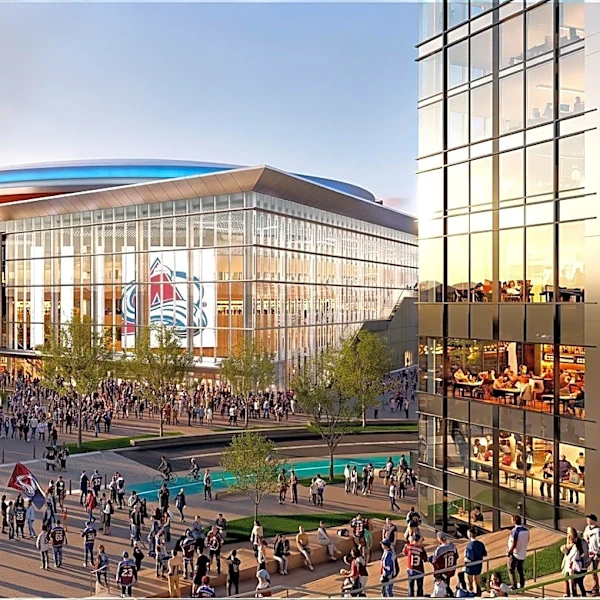
Ball Arena, the home venue for the Colorado Avalanche, Denver Nuggets, and Colorado Mammoth, is slated for a significant $135 million renovation. Kroenke Sports & Entertainment (KSE) announced the project, which will introduce several upgrades to the nearly
three-decade-old facility. Key improvements include an expanded East Atrium with a new glass façade, additional escalators, and a new team store. The renovation also aims to widen entrances, exits, and concourses in high-traffic areas. Furthermore, technology upgrades to point-of-sale systems are planned to enhance the purchasing experience and reduce wait times for fans. The construction will be executed in phases to minimize disruption, allowing the arena to continue hosting events. KSE is in the process of submitting the necessary Site Development Plan to the City of Denver. The entire project is anticipated to be completed by the 2028-29 seasons, ensuring the Avalanche can remain in their home throughout the renovation period.
Why It's Important?
This substantial renovation of Ball Arena holds significant importance for the sports and entertainment landscape in Colorado. For the Colorado Avalanche, Denver Nuggets, and Colorado Mammoth, it signifies a commitment to providing a modern and enhanced fan experience, which can lead to increased attendance and revenue. The technological upgrades, particularly to point-of-sale systems, are crucial for improving operational efficiency and customer satisfaction in a large-scale venue. Widened concourses and additional escalators will address common issues of congestion, improving safety and comfort for attendees. This investment also reinforces Denver's position as a premier destination for major sporting events and concerts, potentially attracting more high-profile events to the city. The phased approach to construction is vital for maintaining continuity of operations, minimizing economic impact on the teams and the surrounding businesses that rely on event-day traffic. Ultimately, this project aims to future-proof a key regional asset, ensuring its competitiveness and relevance for decades to come.
What's Next?
The immediate next step for the Ball Arena renovation project involves Kroenke Sports & Entertainment submitting the required Site Development Plan to the City of Denver. Following approval, construction will commence in phases, strategically planned to avoid major disruptions to the ongoing seasons of the Colorado Avalanche, Denver Nuggets, and Colorado Mammoth. Fans can expect to see initial changes and improvements gradually implemented over the coming years, with the full scope of the renovation anticipated to be completed by the 2028-29 seasons. Stakeholders, including team management, city officials, and local businesses, will likely monitor the progress closely to ensure minimal impact on operations and local commerce. The phased completion will allow for continuous evaluation and adaptation, ensuring that the final outcome meets the evolving needs of a modern sports and entertainment venue. Further announcements regarding specific timelines for each phase and detailed amenity upgrades are expected as the project advances.
Beyond the Headlines
Beyond the immediate improvements to fan experience and operational efficiency, the Ball Arena renovation reflects a broader trend in the sports industry: the continuous investment in infrastructure to remain competitive and relevant. In an era where home viewing experiences are increasingly sophisticated, sports franchises are compelled to offer unparalleled in-person experiences to draw and retain audiences. This renovation is not just about aesthetics; it's about integrating advanced technology and modern design to create a more immersive and comfortable environment, which can significantly influence fan loyalty and engagement. The project also underscores the economic impact of professional sports teams on local economies, as such large-scale investments generate construction jobs, stimulate local businesses, and enhance the city's overall appeal. This commitment to upgrading existing facilities, rather than building new ones, also highlights a sustainable approach to urban development, leveraging established locations and infrastructure while minimizing environmental impact and community displacement.