






What's Happening?
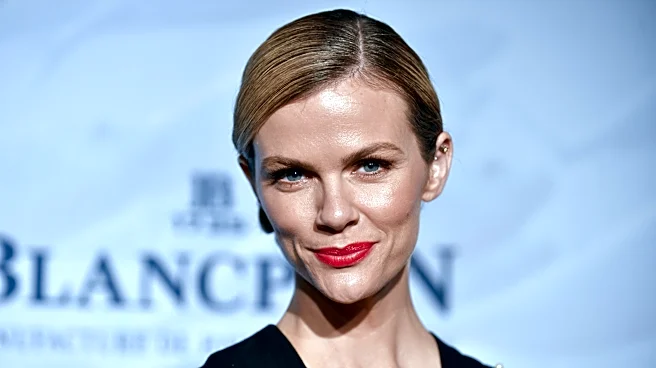
Actress and model Brooklyn Decker recently shared a rare social media post celebrating her daughter Stevie's 9th birthday. The 'Grace & Frankie' alum, who shares Stevie with husband Andy Roddick, posted an Instagram tribute on November 27, detailing Stevie's vibrant
personality and interests, including her love for softball, performing, art, concerts, and the Hornets. Decker's post included videos of Stevie engaging in various activities, such as running, hugging the family dog, and fishing with her brother Hank. This public acknowledgment of her children is uncommon for Decker, who, along with Roddick, has made a conscious decision to protect their children's privacy by not frequently sharing their faces online. Decker explained in a 2020 interview with Scary Mommy that this approach allows her children to choose their own digital footprint in the future.
Why It's Important?
Brooklyn Decker's decision to share a personal moment about her daughter, while still maintaining a strong stance on privacy, highlights a growing trend among public figures regarding their children's online presence. This approach reflects a broader societal conversation about digital footprints, child privacy, and the balance between sharing personal milestones and safeguarding family life in the age of social media. For parents, especially those in the public eye, navigating these issues is crucial, as the internet's permanence can have long-term implications for their children. Decker's actions underscore the importance of parental control over children's digital identities and the desire to allow them agency in how their lives are presented to the world. This also resonates with fans who appreciate glimpses into celebrity lives but also respect boundaries.
What's Next?
While Decker's post was a one-off for a special occasion, it is likely that she and Andy Roddick will continue their established practice of limiting their children's exposure on social media. This approach sets a precedent for how public figures can manage their family's privacy in an increasingly connected world. The ongoing discussion around children's digital rights and privacy is expected to evolve, potentially leading to new social norms or even legal frameworks regarding the online representation of minors, particularly those with celebrity parents. Decker's choice may inspire other public figures to adopt similar strategies, further shaping the landscape of celebrity parenting in the digital age.
Beyond the Headlines
The underlying implications of Decker's privacy stance extend beyond celebrity culture, touching upon fundamental questions of identity, consent, and the ethics of digital sharing. In an era where personal information is readily available, the decision to shield children from public scrutiny online is a powerful statement about parental responsibility and the right to a private childhood. This practice challenges the pervasive culture of oversharing and encourages a more thoughtful approach to what is posted online, especially concerning minors. It also raises awareness about the potential psychological and social impacts of growing up with a public digital identity, prompting a deeper consideration of how society values and protects the innocence and autonomy of children in the digital realm.