



What's Happening?
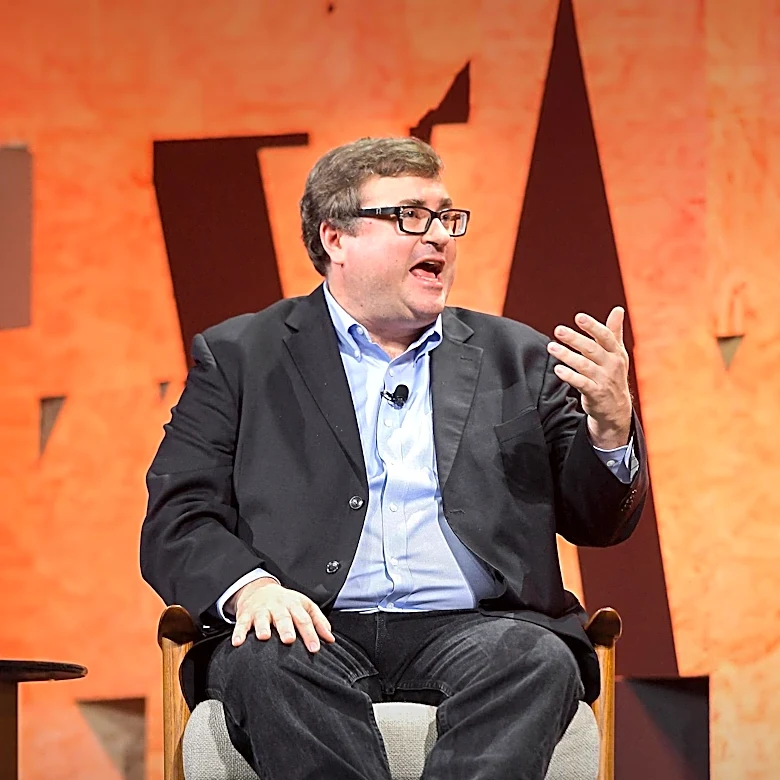
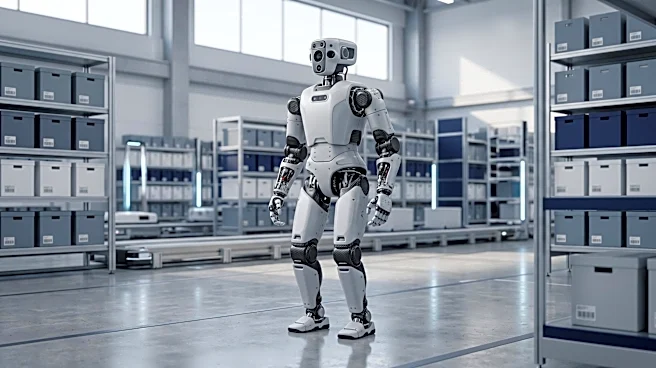
Mehul, co-founder of Matic, a home robotics company, asserts that humanoid robots are currently a technology platform rather than a marketable product. Speaking on the MTS podcast, Mehul outlined Matic's three-stage roadmap for home robotics: starting
with floor cleaners, progressing to organizers, and ultimately achieving full housekeeper capabilities. Matic's current strategy involves selling affordable floor-cleaning robots to gather real-world data from thousands of homes. The company has shipped approximately 18,000 units and collected deployment data from over 16,000 homes. Matic deliberately prices its products under $2,000, believing that mass-market consumer electronics categories rarely succeed above this price point, excluding automobiles. Mehul claims Matic's vision-first navigation achieves 'five nines' (99.999%) SLAM accuracy, significantly higher than the industry average of around 80%. The company's technical approach prioritizes cameras over LiDAR for object recognition and processes all data on-device, without cloud reliance, for enhanced security.
Why It's Important?
Matic's strategy highlights a significant debate within the U.S. home robotics industry regarding the path to mass-market adoption. By focusing on specialized, affordable devices like floor cleaners, Matic aims to build consumer trust and gather crucial real-world data, which Mehul argues is essential for developing more complex home robots. This approach contrasts with companies investing heavily in humanoid robots, which Matic views as premature for productization. The success of Matic's model could influence future investment and development trends in the U.S. robotics sector, potentially shifting focus from advanced, expensive prototypes to practical, data-driven solutions. The emphasis on on-device processing also addresses growing consumer concerns about data privacy and security in smart home technologies, a critical factor for widespread acceptance in the U.S. market. If Matic's 'Apple of home robotics' ambition materializes, it could reshape consumer expectations and competitive landscapes, impacting both established players and emerging startups.
What's Next?
Matic plans to continue its phased development, moving from trusted floor cleaners to organizers, which will involve advancements in manipulation and dexterity, and eventually to full-body automation for housekeeper robots. Mehul estimates a timeline of four to five years for a robot with basic 'Rosie the Robot' capabilities, with full functionality taking another five to ten years. The company's ongoing data collection from thousands of homes will be crucial for refining its technology and addressing edge cases. Matic's manufacturing operations remain in Mountain View, California, allowing for close collaboration between engineering and production teams, which is expected to support quality control and scalability. The company anticipates increased demand, particularly during holiday seasons, and aims to scale its production capacity beyond 200 robots per day. The long-term success of Matic's strategy will depend on its ability to convert consumer trust from floor cleaners into willingness to purchase more advanced, and likely more expensive, home robots.
Beyond the Headlines
The debate between developing specialized, affordable home robots versus advanced, general-purpose humanoids touches upon fundamental questions about the future of artificial intelligence and automation in daily life. Matic's approach suggests a pragmatic, incremental path, prioritizing immediate utility and data acquisition over ambitious, but currently unproven, humanoid capabilities. This strategy could lead to a more gradual integration of robotics into U.S. households, allowing consumers to adapt to and trust these technologies over time. The focus on on-device processing for security also sets a precedent for privacy-conscious design in smart home devices, potentially influencing industry standards and regulatory discussions. Furthermore, Matic's decision to keep manufacturing in the U.S. highlights a trend towards localized production for quality control and proximity to R&D, which could have broader implications for U.S. manufacturing and job creation in the robotics sector.