





What's Happening?
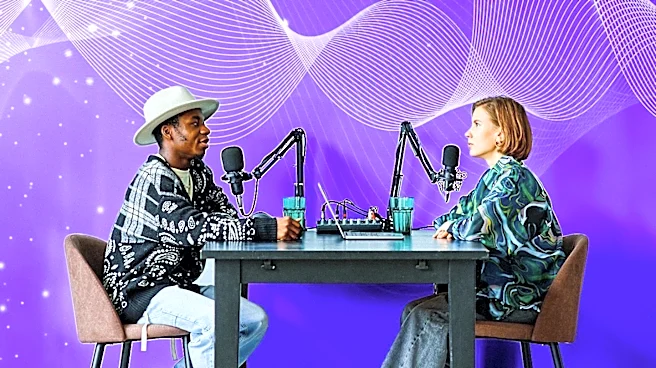
Sofia Franklyn, co-founder of the 'Call Her Daddy' podcast, has publicly disclosed her experience with an abortion in 2023 through an exclusive excerpt from her forthcoming memoir, 'Daddy Issues,' published in Vanity Fair. Franklyn, who departed 'Call Her Daddy' in 2020,
shared that discussing her abortion was difficult but necessary to help other women feel less alone and to combat the shame often associated with the procedure. She detailed the emotional and physical aftermath, noting the lack of preparation for the hormonal and neurological changes that occurred. Franklyn recounted discovering her pregnancy after feeling bloated, taking a home test, and then confirming it at Planned Parenthood. She scheduled the procedure quickly due to a pre-planned trip and later reflected on feelings of guilt and the societal pressure to keep such experiences private. Her decision to share comes shortly after 'Call Her Daddy' host Alex Cooper announced the birth of her baby.
Why It's Important?
Sofia Franklyn's decision to openly discuss her abortion is significant as it contributes to destigmatizing a topic often shrouded in silence and shame. By sharing her personal story, Franklyn aims to normalize conversations around abortion, providing a voice for women who may feel isolated or judged. This public disclosure, particularly from a prominent media personality, can encourage greater openness and empathy regarding reproductive health decisions. It also highlights the emotional and physical complexities women face post-abortion, which are often overlooked in public discourse. Her narrative underscores the importance of personal autonomy and the varied reasons individuals make such choices, moving beyond simplistic or politicized portrayals. The timing of her revelation, coinciding with her former co-host's announcement of childbirth, also subtly emphasizes the diverse paths women take in their reproductive lives.
What's Next?
The publication of Sofia Franklyn's memoir excerpt is likely to spark further discussion and debate surrounding abortion rights and women's reproductive health. Her candid account may encourage other public figures and individuals to share their own experiences, potentially fostering a more open and supportive environment for those who have undergone similar procedures. The memoir itself, 'Daddy Issues,' is anticipated to generate significant interest, as readers seek to understand more about Franklyn's personal journey and her motivations for sharing such intimate details. This could also lead to increased advocacy for better post-abortion support and resources, as Franklyn highlighted the lack of guidance on the emotional aftermath. The conversation may also touch upon the broader implications of public figures sharing deeply personal stories and the impact this has on societal norms and perceptions.
Beyond the Headlines
Beyond the immediate news, Franklyn's narrative delves into the deeper societal implications of silence surrounding abortion. Her experience highlights how cultural norms often compel women to internalize their experiences, leading to feelings of isolation and shame. By breaking this silence, she challenges the societal expectation that such personal health decisions should remain private, advocating for a more transparent and supportive dialogue. This act of vulnerability can contribute to a broader cultural shift, encouraging empathy and understanding rather than judgment. Furthermore, her account implicitly critiques the lack of comprehensive emotional and psychological support provided to women post-abortion, pointing to a systemic gap in healthcare. Her story serves as a powerful reminder that reproductive choices are deeply personal and multifaceted, often carrying significant emotional weight that extends far beyond the medical procedure itself.