







What's Happening?
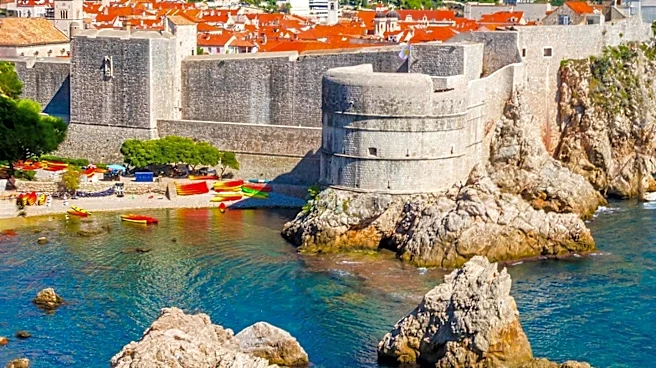
Dubrovnik, Croatia, is noted for its beauty, particularly its old city enclosed within walls, which is recommended for exploration. However, the city faces significant challenges due to high tourist volumes, especially during peak months like August.
This influx leads to extreme crowding, making it difficult to navigate sidewalks and enjoy natural attractions such as coves. The high demand has also resulted in substantially increased prices for hotels and restaurants, making the city an expensive destination. Visitors are advised to consider traveling in October or March to avoid the crowds and heat, which can reach 90-100 degrees Fahrenheit with high humidity during summer. The source highlights that despite the city's aesthetic appeal, the sheer number of tourists impacts the quality of the experience and the daily life of residents.
Why It's Important?
The situation in Dubrovnik reflects a broader issue facing popular tourist destinations globally: the impact of overtourism on local infrastructure, economies, and resident quality of life. For U.S. travelers, this means that popular international destinations may offer a less enjoyable experience during peak seasons due to overcrowding and inflated costs. It also underscores the importance of responsible tourism practices, such as choosing off-peak travel times, to mitigate negative impacts. The economic implications are significant, as while tourism brings revenue, unchecked growth can lead to a decline in the authentic cultural experience and potentially drive away local businesses unable to compete with tourist-centric pricing. This trend could influence how U.S. travel agencies and tourists plan international trips, prioritizing destinations that manage tourism sustainably.
What's Next?
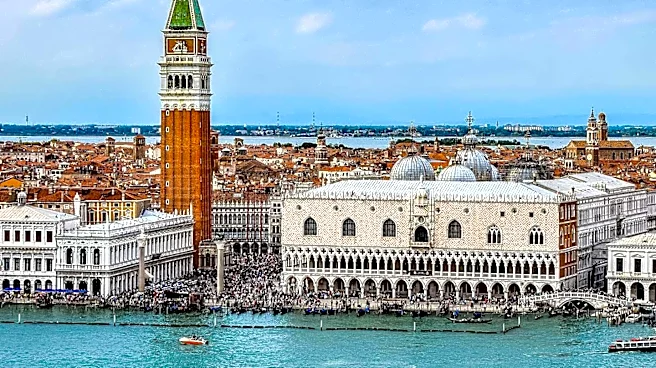
To address the challenges of overtourism, Dubrovnik, like other affected cities such as Barcelona and Venice, may consider implementing measures such as tourist bans, daily taxes, or restrictions on short-term rentals. These actions aim to protect the local environment and preserve the quality of life for residents. Travelers are encouraged to self-regulate their visits by choosing off-peak seasons (spring, fall, or winter) to reduce the strain on the city's resources and infrastructure. The ongoing discussion around sustainable tourism suggests that future travel to highly sought-after destinations will likely involve more regulations and a greater emphasis on responsible visitor behavior to ensure the long-term viability of these locations as tourist attractions.
Beyond the Headlines
The situation in Dubrovnik highlights a critical ethical and cultural dilemma: balancing economic benefits from tourism with the preservation of local heritage and resident well-being. The phenomenon of 'fake cutout buildings' observed in some tourist areas, designed solely for aesthetic appeal without actual habitation, points to a potential commodification of culture where authenticity is sacrificed for tourist consumption. This raises questions about the long-term cultural impact of mass tourism and whether destinations can maintain their unique identity under immense pressure. The rising costs also create an exclusivity barrier, potentially altering the demographic of visitors and further detaching the tourist experience from local realities. The need for self-regulation among travelers and proactive measures by local governments will be crucial in navigating these complex issues.