



What's Happening?
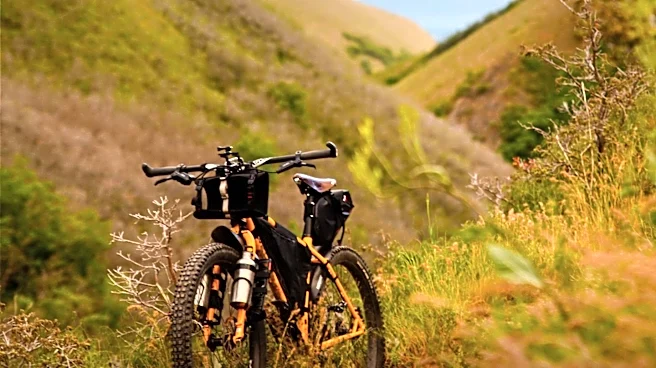
Patagonia is being highlighted as a premier destination for bikepacking adventures, offering an irresistible experience for cycling enthusiasts. Expeditions, such as those guided by Willy Mulonia and Nicola Amadini of PA Cycling, traverse southern Patagonia,
crossing between Argentina and Chile. A typical itinerary involves flying into El Calafate to visit the Perito Moreno Glacier, followed by a three-day ride into Torres del Paine National Park and down to the Pacific coast at Puerto Natales. After a transfer to Punta Arenas, participants take a ferry across the Strait of Magellan, leading to six more stages through the Isla Grande of Tierra del Fuego, culminating in Ushuaia, the southernmost city on Earth. These expeditions are characterized by a rough itinerary, acknowledging the unpredictable nature of Patagonia's weather and terrain, which may necessitate long days in the saddle and few comforts, emphasizing adaptation as a core part of the journey.
Why It's Important?
The growing popularity of bikepacking expeditions in Patagonia signifies a broader trend in adventure tourism, appealing to a niche market of U.S. travelers seeking immersive and challenging outdoor experiences. For the U.S. tourism industry, this trend indicates a demand for specialized, off-the-beaten-path travel options that prioritize physical activity and engagement with natural landscapes over traditional leisure travel. It also highlights the economic potential for tour operators and equipment manufacturers catering to this segment. The emphasis on adaptability and resilience in these expeditions resonates with a demographic increasingly interested in self-sufficiency and overcoming challenges. Furthermore, the promotion of such trips contributes to the global recognition of Patagonia as a prime adventure destination, potentially drawing more U.S. tourists to the region and fostering cross-cultural exchange. The success of these ventures could also inspire similar adventure tourism developments in U.S. national parks and wilderness areas, impacting local economies and conservation efforts.
What's Next?
As interest in adventure travel continues to grow, it is likely that more specialized bikepacking and outdoor adventure companies will emerge, offering diverse itineraries and experiences in Patagonia and other remote regions. Tour operators like PA Cycling, with guides such as Willy Mulonia, will continue to refine their offerings, potentially incorporating more sustainable practices and catering to varying skill levels. The demand for high-quality, durable bikepacking gear and equipment is also expected to rise, creating opportunities for U.S. manufacturers and retailers in the outdoor industry. Future developments may include enhanced logistical support for these remote expeditions, improved safety protocols, and greater integration of local communities into the tourism economy. The continued promotion of Patagonia as an adventure tourism hub will likely attract a steady stream of U.S. and international travelers, further solidifying its reputation as a world-class destination for outdoor enthusiasts.
Beyond the Headlines
Beyond the immediate thrill of adventure, bikepacking expeditions in Patagonia offer a profound connection to nature and a unique form of personal challenge that can have lasting impacts on participants. The unpredictable conditions and demanding physical requirements foster resilience, problem-solving skills, and a deeper appreciation for the natural environment. This type of travel can also promote a minimalist approach to consumption, as participants rely on essential gear and embrace a 'leave no trace' philosophy. For U.S. society, where digital connectivity often dominates, these expeditions provide a vital opportunity for digital detox and a return to fundamental human experiences. The stories and experiences shared by bikepackers can inspire others to explore the outdoors, potentially leading to increased engagement in environmental conservation and a greater understanding of global ecosystems. It underscores a cultural shift towards experiential travel that prioritizes personal growth and environmental awareness.