




What's Happening?
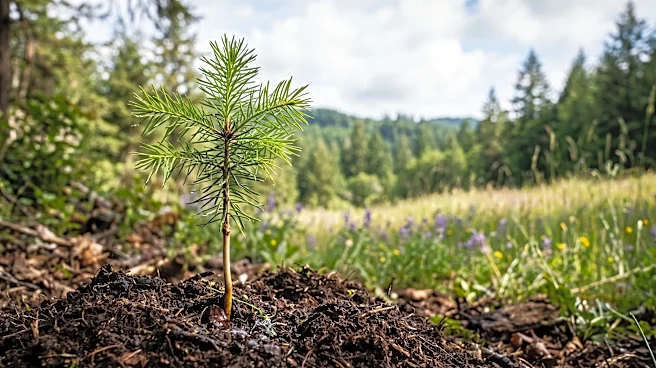
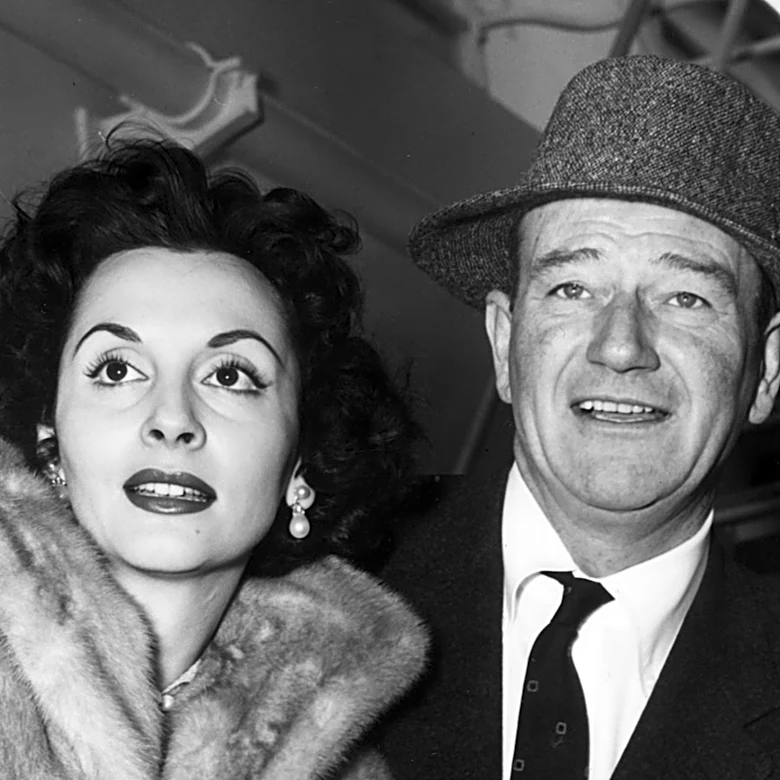
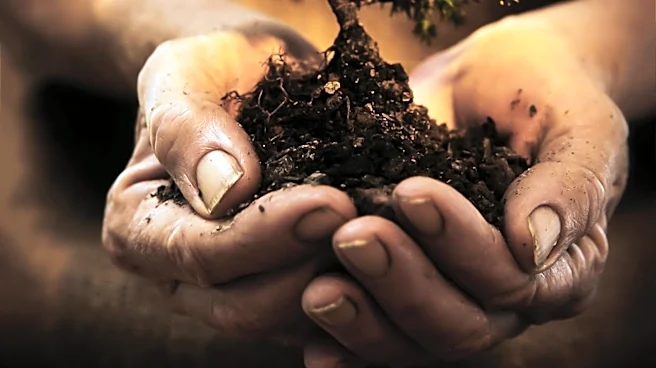
Kim Novak, the 93-year-old Hollywood actress celebrated for her roles in films such as 'Picnic' and 'Vertigo,' has shared her unique post-mortem wishes in a rare interview with PETA. Novak plans to have her body turned into compost, with the intention
that her friends will use it to plant trees. She expressed a desire to become part of a beautiful tree and to reunite with animals who have passed. Novak, who retired from acting decades ago, has dedicated her life to animal welfare advocacy. Her passion for animals stemmed from a childhood experience witnessing her father mistreat her pet dog. She believes animals offer valuable life lessons and genuine reactions, which helped her to love herself. Currently residing on a ranch in Oregon surrounded by animals, Novak is also working on a book titled 'Creature Teachers,' focusing on the wisdom animals can impart to humans.
Why It's Important?
Kim Novak's decision highlights a growing trend in eco-friendly burial practices, offering an alternative to traditional methods like embalming and cremation, which have significant environmental impacts. Human composting, or natural organic reduction, is gaining traction as a sustainable end-of-life option, aligning with environmental conservation efforts. This choice by a public figure like Novak could raise awareness and encourage broader acceptance of such practices within the U.S., potentially influencing funeral industry standards and public policy regarding ecological burials. Her advocacy for animal welfare, a lifelong passion, underscores the interconnectedness of human and environmental well-being. By choosing to become part of nature, Novak reinforces a message of stewardship and respect for the natural world, which could resonate with environmental groups and individuals seeking more sustainable ways to honor their lives and legacies.
What's Next?
The increasing visibility of eco-friendly burial choices, championed by figures like Kim Novak, is likely to spur further discussion and potentially accelerate the adoption of natural organic reduction across more U.S. states. As more states legalize and regulate human composting, the funeral industry may see an expansion of services to meet this demand. Public interest in sustainable end-of-life options is expected to grow, leading to more educational initiatives and greater accessibility to these alternatives. Novak's personal narrative, particularly her upcoming book 'Creature Teachers,' could further inspire individuals to consider their environmental impact, even in death, and to deepen their connection with the animal kingdom. This movement could also prompt legislative bodies to review and update existing burial laws to accommodate and support environmentally conscious practices.
Beyond the Headlines
Kim Novak's choice to become compost for trees transcends a mere personal preference; it delves into profound ethical and cultural dimensions surrounding death, legacy, and our relationship with the environment. Her decision challenges conventional societal norms about how we honor the deceased, moving away from practices that consume resources and contribute to pollution towards a regenerative approach. This act symbolizes a return to nature, transforming human remains into a source of life, which can be seen as a powerful statement on ecological responsibility and the cycle of life. It also reflects a deeper philosophical shift towards viewing death not as an end, but as a continuation of contribution to the planet. This perspective could foster a greater sense of interconnectedness with the natural world and encourage a re-evaluation of human impact on ecosystems, promoting a more holistic understanding of our place within the environment.