
What's Happening?
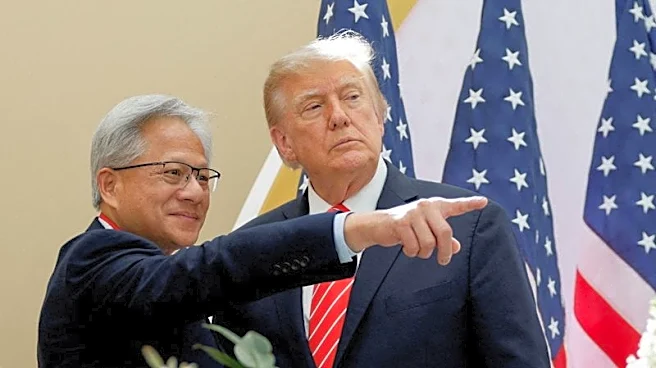
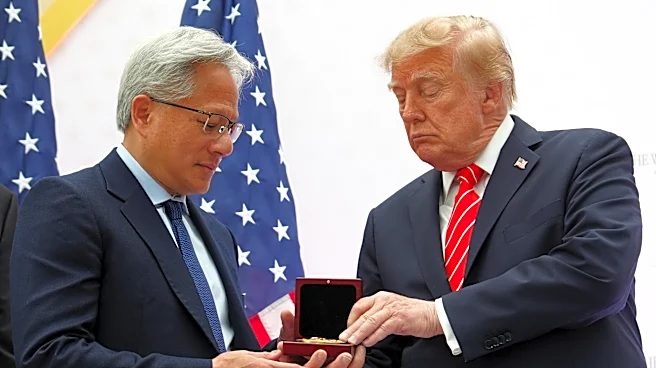
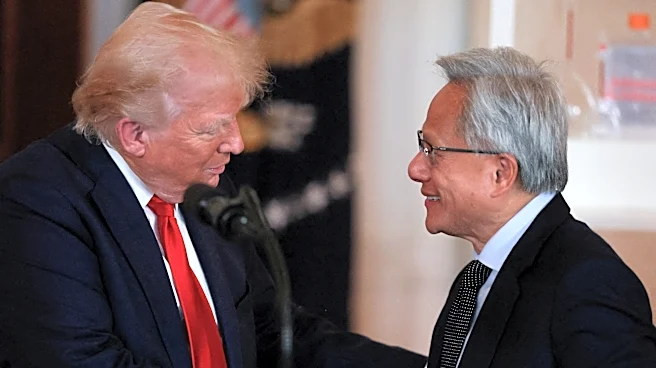
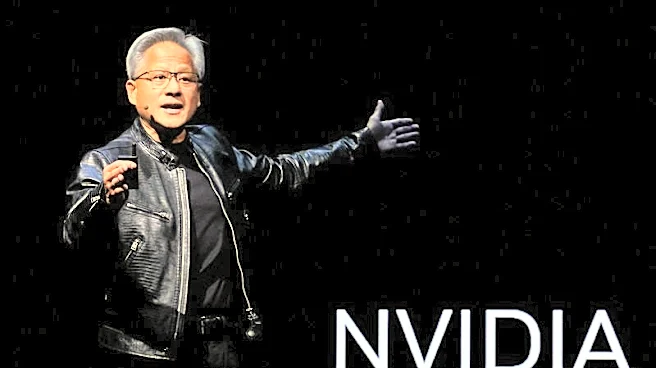
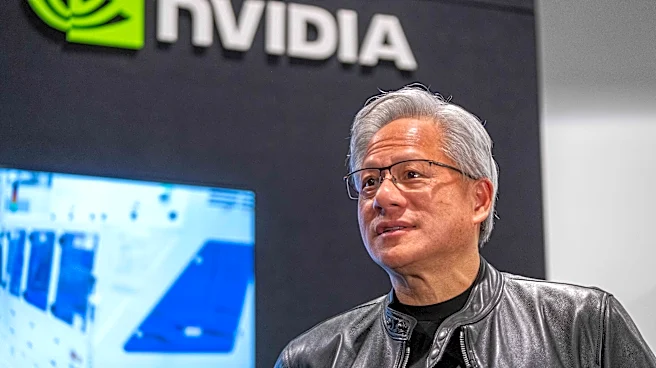
Nvidia's board has reinstated Jensen Huang as its president and CEO, a decision that came shortly after initially rejecting his offer to return. This reversal follows President Trump's intervention, who
publicly stated his belief that Huang's return was in the best interests of the company and the American economy. The reinstatement occurs amidst ongoing scrutiny of Huang, including congressional investigations, related to an affair with a woman suspected of being a Chinese spy and alleged diversion of advanced chips to China. President Trump confirmed that his administration assured Nvidia there were no national security concerns regarding Huang's return, and Attorney General Todd Blanche stated that the Justice Department does not possess evidence of unlawful conduct by Huang. Vice President JD Vance also reportedly played a role in advocating for Huang's return to the board. Huang expressed honor and humility in his statement, thanking stakeholders and committing to his role.
Why It's Important?
The reinstatement of Jensen Huang as Nvidia's CEO carries significant implications for the technology sector, U.S. national security, and corporate governance. Nvidia dominates the market for AI chips, making its leadership and strategic direction crucial for the advancement of artificial intelligence, a key area of global competition. The direct involvement of President Trump in a corporate board decision raises questions about the separation of political influence and private enterprise, especially concerning a company deemed 'too big to fail' by some critics. This event highlights the delicate balance between economic stability, as evidenced by Nvidia's stock performance impacting the broader market, and national security interests, particularly regarding technology transfers and potential espionage. The ongoing congressional investigations into Huang's conduct and chip diversion underscore the heightened scrutiny on tech executives and their potential impact on national security.
What's Next?
Jensen Huang is scheduled to undergo an interview next week with three House committees investigating the scandal's implications for national security. This indicates continued scrutiny despite his reinstatement. Senate Democratic Leader Chuck Schumer has vowed that Democrats will use their full power to investigate any wrongdoing by the administration, Huang, other Nvidia executives, and anyone perceived as compromising national security for financial gain. The Commerce Department has added Megaspeed, a Singapore-based cloud computing firm where the suspected spy was an executive, to its trade 'entity list,' which will likely restrict U.S. companies from doing business with it. Nvidia is expected to continue its internal investigation into the matter, as suggested by President Trump. The market will likely watch Nvidia's stock performance and the outcomes of these investigations closely.
Beyond the Headlines
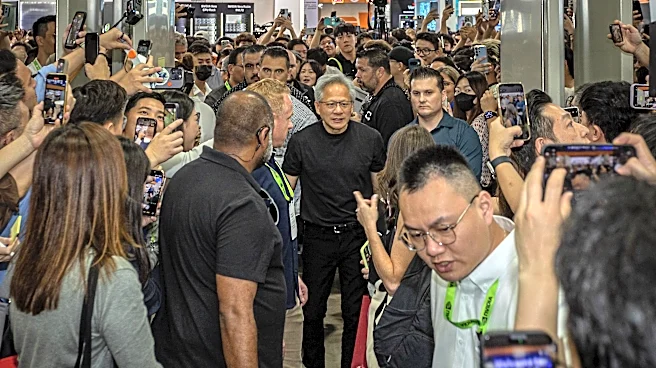
This event delves into complex ethical, legal, and cultural dimensions. The rapid reversal of the board's decision, influenced by presidential intervention, could set a precedent for political involvement in corporate leadership, particularly for companies deemed strategically vital. The affair with a suspected Chinese spy and the allegations of chip diversion highlight the increasing intersection of personal conduct, corporate responsibility, and national security in the tech industry. The public's and employees' outpouring of support for Huang, reminiscent of Sam Altman's reinstatement at OpenAI, suggests a cultural inclination to prioritize perceived leadership and market stability over initial concerns about conduct. This situation also underscores the challenges of maintaining corporate independence when a company's market capitalization and technological dominance become intertwined with national economic and security interests, potentially blurring the lines between private enterprise and public policy.