







What's Happening?
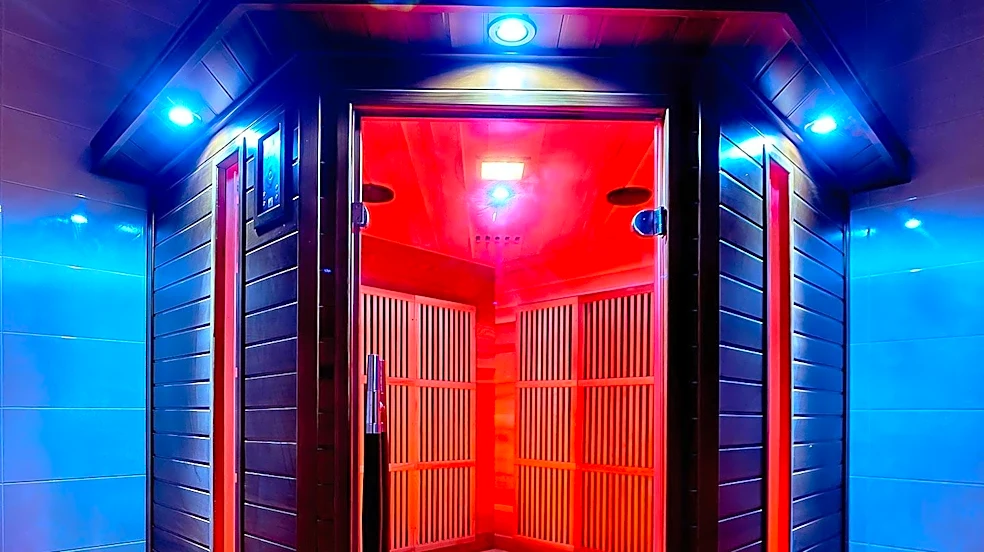
The topic of Electromagnetic Fields (EMF) in infrared saunas is a point of discussion for consumers, with manufacturers using terms like 'low EMF,' 'ultra-low EMF,' and 'near-zero EMF.' These terms refer to the levels of electric and magnetic fields produced
by the sauna's heaters and wiring. While infrared light itself is non-ionizing and distinct from EMF, any electric infrared sauna generates some level of EMF, similar to other household appliances. The World Health Organization (WHO) currently states that evidence does not confirm health consequences from low-level EMF exposure, though research is ongoing. Consumers often prefer models with published EMF readings, measured in milligauss (mG), to make informed purchasing decisions.
Why It's Important?
The discussion around EMF levels in infrared saunas is significant for the U.S. wellness and consumer electronics markets. It highlights a growing consumer awareness and concern about potential health impacts from technology, even when scientific consensus is still developing. For manufacturers, this translates into a need for transparency and clear communication regarding their products' EMF emissions, often leading to product differentiation based on 'low EMF' claims. This trend influences product design, marketing strategies, and potentially regulatory discussions. For consumers, understanding EMF and its implications allows for more informed choices, especially for those who are sensitive to or concerned about electromagnetic exposure, thereby shaping purchasing patterns and driving demand for specific product features within the sauna market.
What's Next?
Manufacturers of infrared saunas will likely continue to innovate in reducing EMF levels and providing detailed specifications for their products. There may be a push for standardized testing and labeling of EMF levels across the industry to ensure consistency and build consumer trust. Research into the long-term health effects of low-level EMF exposure will continue, potentially influencing future public health guidelines and consumer perceptions. Consumers can expect more educational resources from both manufacturers and independent bodies to help them understand EMF and make informed decisions. The market may also see an increase in third-party certifications or verification processes for EMF claims.
Beyond the Headlines
The debate over EMF in infrared saunas reflects a broader societal anxiety about invisible environmental factors and their potential health consequences. It underscores the challenge of communicating scientific uncertainty to the public and the tendency for consumers to seek precautionary measures even in the absence of definitive proof of harm. This situation also highlights the power of consumer demand in shaping product development and industry standards, even without direct regulatory mandates. The emphasis on 'low EMF' can be seen as a response to a desire for 'cleaner' technology and a more natural, less intrusive wellness experience, aligning with a larger trend towards holistic health and environmental consciousness.