








What's Happening?
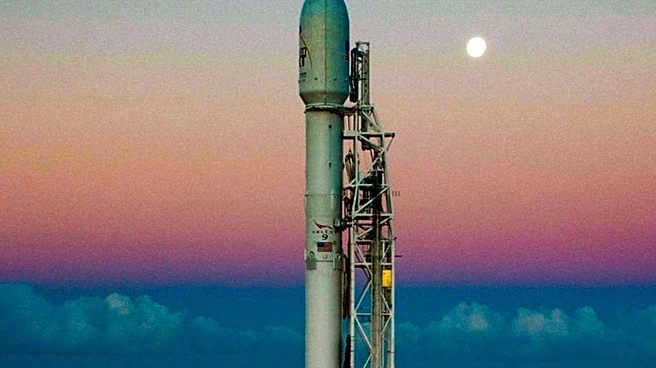
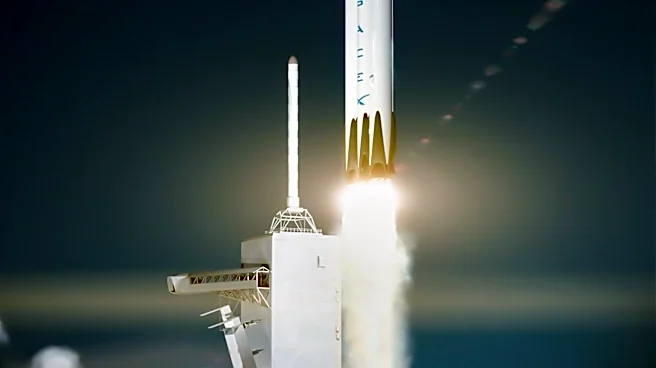
SpaceX's Falcon 9 rocket experienced a rare post-ignition abort at Vandenberg Space Force Base. The abort occurred when all nine Merlin engines briefly ignited before the automated flight computer shut them down at T-0. This incident marks the second
engine-related launch anomaly for SpaceX in just four days, following a similar issue with the Starship Flight 13. The Falcon 9 was set to carry 24 Starlink V2 Mini broadband satellites into orbit. SpaceX has not yet provided a detailed explanation for the abort, but the vehicle and payload remain safe. The company is targeting a new launch attempt for the Starlink 17-39 mission, but no specific date has been confirmed.
Why It's Important?
The abort highlights the challenges SpaceX faces in maintaining its rapid launch cadence while ensuring safety. The Falcon 9 is a critical component of SpaceX's operations, used for deploying Starlink satellites and other payloads. Any delay in launches can impact the expansion of the Starlink constellation, which aims to provide global internet coverage. Additionally, the reliability of the Falcon 9 is crucial for national security missions and commercial contracts. The incident underscores the importance of SpaceX's safety systems, which are designed to detect anomalies and prevent potential failures during flight.
What's Next?
SpaceX will conduct a thorough investigation to determine the cause of the abort. Depending on the findings, the company may decide to replace the booster or make necessary adjustments before attempting another launch. The Starlink 17-39 mission is expected to proceed once the issue is resolved, ensuring the continued deployment of the Starlink satellite network. Meanwhile, SpaceX is also preparing for the next attempt of the Starship Flight 13, which is scheduled for July 23, pending weather conditions and technical readiness.