



What's Happening?
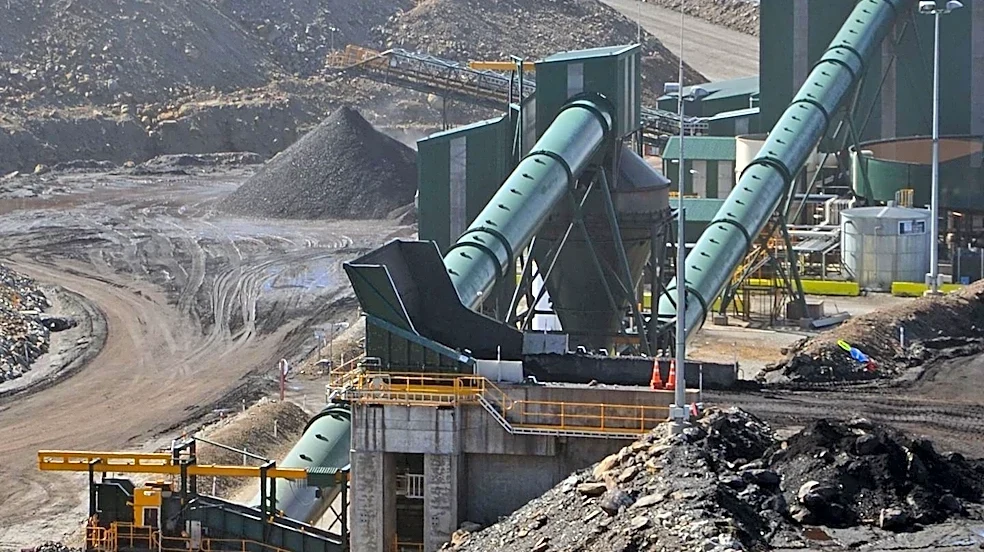
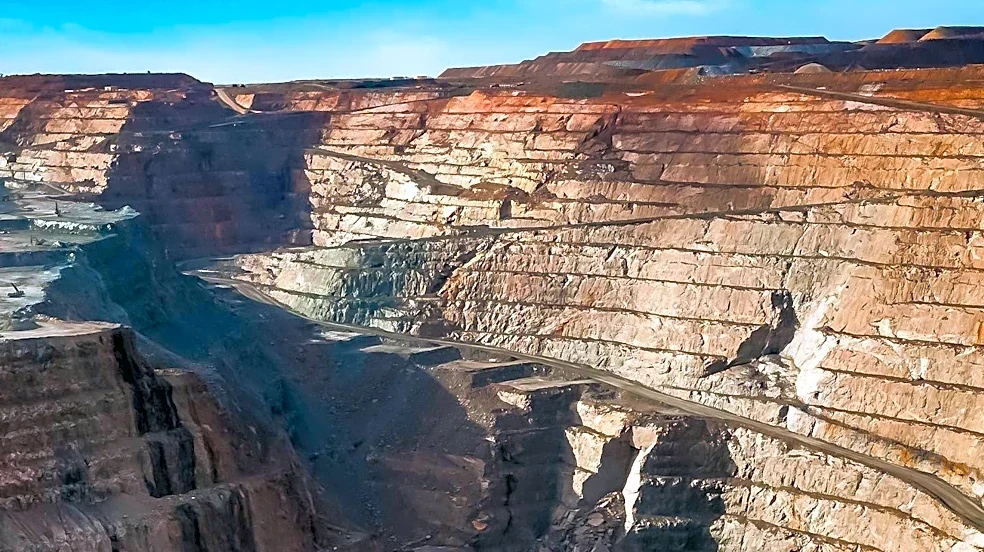
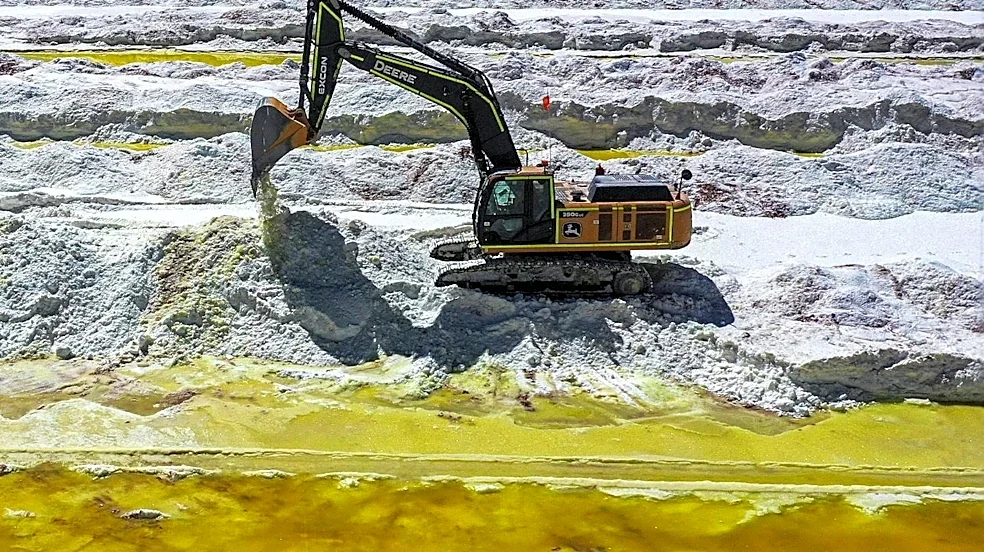
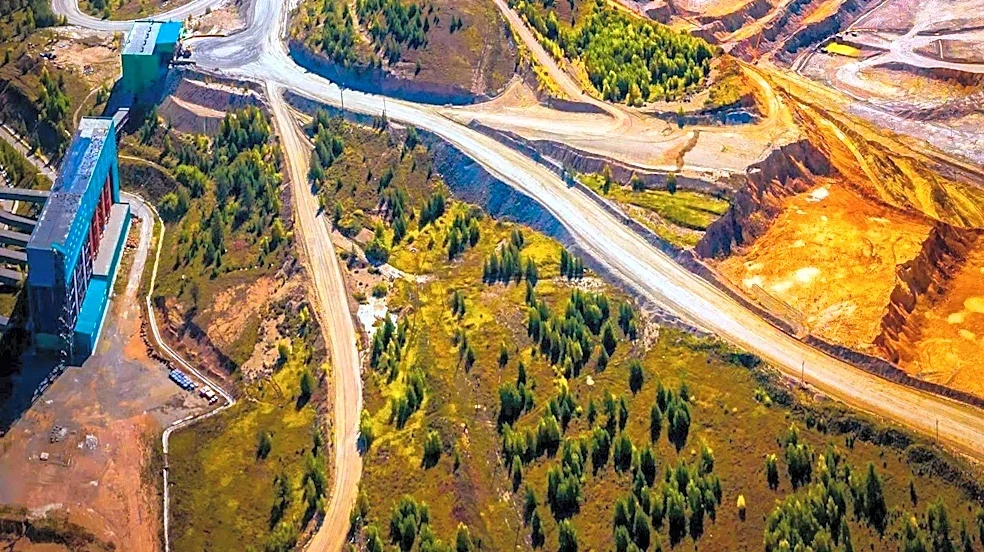
A recent study conducted at Qarhan Salt Lake in China's Qaidam Basin reveals that sustained potash mining operations are causing significant depletion of brine levels and altering the lake's hydrogeochemical composition. Researchers analyzed 177 sites,
comparing historical data with measurements from 2020 and 2024. The findings indicate a persistent decline in brine levels, with the median water-table depth increasing from -0.44 m at baseline to -3.95 m in 2024. Median KCl concentration has fallen by 53% since baseline, particularly in heavily mined areas. Conversely, median LiCl concentration rose by 35% between 2020 and 2024, from 293 mg/L to 397 mg/L. This lithium enrichment is attributed to its retention in residual brine, interactions with clay minerals, and groundwater movement, while other elements like B2O3 have declined.
Why It's Important?
This study highlights the complex environmental and resource management challenges associated with intensive mineral extraction from salt lake systems. The depletion of potash resources, a key component for fertilizers, has implications for agricultural sustainability and global food security. The simultaneous increase in lithium concentrations, however, presents a potential opportunity for integrated lithium-potash recovery, which could be crucial for the growing demand in battery technologies. The findings underscore the need for sustainable mining practices that balance extraction rates with natural recharge to prevent irreversible environmental damage, such as ground instability and disruption of hypersaline ecosystems. Understanding these hydrogeochemical shifts is vital for long-term resource planning and for developing strategies to mitigate the environmental impact of mining operations.
What's Next?
The research suggests that future efforts should focus on sustainable extraction methods and integrated mineral recovery strategies. Managed aquifer recharge could be explored to address declining brine levels, though its potential to dilute valuable minerals must be carefully evaluated. Hydrogeological modeling will be crucial to determine the effectiveness of such recharge efforts without compromising brine quality. Continued monitoring of water levels, brine chemistry, and surrounding ecosystems is essential to identify emerging risks like subsidence and salt-crust collapse and to guide mitigation measures. The findings could also spur further research into more efficient and environmentally friendly extraction technologies that can selectively recover multiple valuable minerals from complex brine systems, optimizing resource utilization and minimizing ecological footprints.
Beyond the Headlines
The study's findings point to a broader ethical and economic dilemma: how to meet the increasing global demand for critical minerals while preserving fragile ecosystems. The Qarhan Salt Lake case illustrates that intensive mining can inadvertently create new resource opportunities (lithium enrichment) while depleting others (potash). This dynamic necessitates a holistic approach to resource management, moving beyond single-mineral extraction to multi-mineral recovery strategies. The long-term shifts triggered by such mining activities could include significant changes in regional hydrology, biodiversity, and even local climate patterns. The legal and regulatory frameworks governing these operations will need to evolve to incorporate comprehensive environmental impact assessments and ensure that the economic benefits of mining do not come at an unsustainable ecological cost, potentially leading to new international standards for salt lake resource exploitation.