




What's Happening?
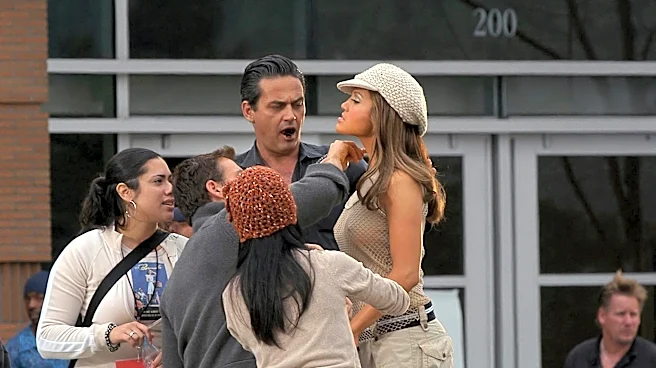
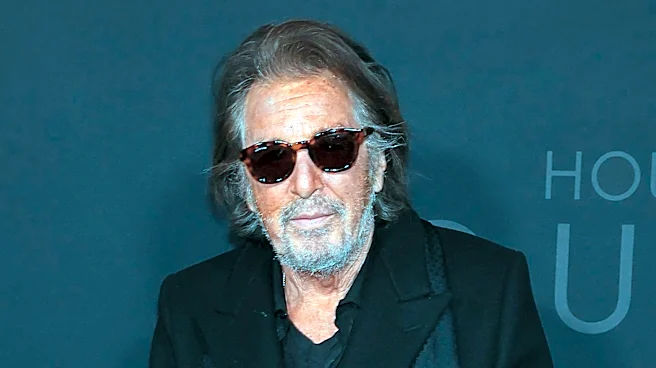
Lionsgate has released the final trailer for the Cold War political thriller, 'Killing Castro,' which features Al Pacino as a CIA operative and Diego Boneta as Fidel Castro. The film is set to open in select U.S. theaters on December 11, followed by a digital
release on December 18. The story, set in New York in 1960, revolves around a plot by the CIA, FBI, and Mafia to prevent Castro from delivering a pivotal speech at the United Nations. A key historical detail in the film is Castro's unexpected relocation to Harlem’s Hotel Theresa at the invitation of Malcolm X, played by Kendrick Sampson. This move draws a wider circle of individuals, including Pacino’s CIA operative, a young translator played by Xolo Maridueña, and a hotel worker played by KiKi Layne, into the covert scheme. The film is the feature directorial debut of Eif Rivera, with Curtis “50 Cent” Jackson and DJ Khaled serving as executive producers.
Why It's Important?
The release of 'Killing Castro' is significant for the U.S. entertainment industry, bringing a historical political thriller to audiences with a notable cast and production team. The film's premise, exploring a real historical event—Fidel Castro's visit to New York in 1960 and the attempts to thwart his influence—offers a dramatic interpretation of Cold War-era tensions. The involvement of Al Pacino, a highly acclaimed actor, in a central role as a CIA operative, is expected to draw considerable attention. Furthermore, the film marks a notable transition for director Eif Rivera, known for his music video and television work, into feature filmmaking, backed by prominent figures like Curtis “50 Cent” Jackson and DJ Khaled. This project could influence future collaborations between established music industry figures and traditional film production, potentially opening new avenues for talent and storytelling in Hollywood.
What's Next?
Following its limited theatrical release on December 11, 'Killing Castro' will become available for digital viewing on December 18. The film's performance in both theatrical and digital markets will be closely watched, especially given its unique blend of historical drama, political intrigue, and the involvement of a diverse production team. Its reception could influence future investment in similar historical thrillers and the career trajectories of its director and producers. The film enters a competitive December release schedule, and its ability to stand out will determine its commercial success and critical acclaim. The narrative's focus on the 'how close the machinery got' to stopping Castro, rather than the historical outcome, suggests an emphasis on the human drama and tension, which will be a key factor in its appeal.
Beyond the Headlines
The film's exploration of the 1960 plot against Fidel Castro, particularly the involvement of the CIA, FBI, and Mafia, delves into a complex and often shadowy period of U.S. foreign policy and intelligence operations. While the historical outcome is known—Castro lived until 2016—the film's focus on the attempts to stop him and the ordinary people caught in the middle raises questions about the ethical dimensions of covert operations and the human cost of political conflicts. The narrative's decision to build tension through the 'machinery around Castro' rather than a direct confrontation between the leads could offer a nuanced perspective on the nature of power and surveillance. This approach might encourage audiences to consider the broader implications of historical events and the often-unseen individuals who shape them, fostering a deeper understanding of the complexities of Cold War history and its lingering impact.