




What's Happening?
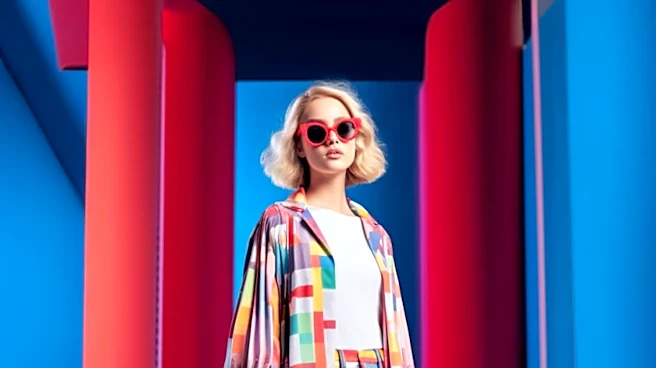
Millennial fashion is significantly shaped by designer Sandy Liang, whose influence extends to both millennials and Gen Z. A notable trend making a strong comeback is the exposed bra, which has been embraced across generations, including Gen Z, millennials,
and women over 40. This resurgence indicates a shift in societal attitudes towards body positivity and comfort in fashion. The broader fashion landscape is characterized by a cyclical nature, where trends often reappear approximately every 20 years. This phenomenon is evident in the return of baggy low-rise jeans, allowing millennials to revisit styles from their youth while simultaneously engaging with contemporary fashion. The continuous evolution and re-emergence of past styles highlight a dynamic interplay between nostalgia and current aesthetic preferences within millennial fashion.
Why It's Important?
The influence of designers like Sandy Liang on millennial and Gen Z fashion underscores the power of individual creatives in shaping broad cultural trends. The widespread adoption of the exposed bra trend across multiple generations signifies a significant cultural shift towards greater body positivity and comfort in clothing, potentially impacting how fashion is designed, marketed, and consumed. This trend challenges traditional notions of modesty and offers a more inclusive approach to style. The cyclical nature of fashion, with trends reappearing every two decades, has substantial implications for the retail and apparel industries. It suggests that brands can leverage nostalgia to reintroduce past styles, potentially reducing the need for constant innovation and allowing for more sustainable production practices by extending the relevance of certain designs. This also affects consumer behavior, as individuals may invest in classic pieces that are likely to return to vogue, or embrace new iterations of familiar styles, fostering a sense of continuity and personal connection to fashion history.
What's Next?
The continued influence of designers like Sandy Liang suggests that their aesthetic will likely remain a dominant force in shaping fashion trends for the foreseeable future, particularly among millennial and Gen Z demographics. The sustained popularity of trends like the exposed bra indicates a potential for further evolution in body-positive and comfort-driven fashion, which could lead to more inclusive designs and marketing strategies from apparel companies. As the fashion cycle continues, it is probable that other past trends will re-emerge, prompting designers and retailers to anticipate and capitalize on these cyclical shifts. This could involve reinterpreting vintage styles with modern twists, leading to a blend of nostalgic and contemporary aesthetics. Consumers can expect to see a continuous interplay between new innovations and the revival of classic looks, offering diverse options that cater to various generational preferences and evolving societal values.
Beyond the Headlines
The phenomenon of millennial style, particularly its embrace of cyclical trends and body-positive movements, reflects deeper societal shifts. The return of trends like the exposed bra challenges conventional beauty standards and promotes a more accepting view of the human form, moving beyond restrictive fashion norms. This cultural shift can empower individuals to express themselves more authentically and comfortably through their clothing choices. The cyclical nature of fashion also raises questions about sustainability and consumerism. While it can encourage the reuse and reinterpretation of existing styles, potentially reducing waste, it also fuels a constant demand for new interpretations, which can still contribute to overconsumption. Furthermore, the influence of designers on multiple generations highlights the blurring lines between age-specific fashion, suggesting a more fluid and inclusive approach to style that transcends traditional demographic boundaries. This evolution in fashion reflects broader changes in identity, self-expression, and cultural values within contemporary society.