

What's Happening?
Y2K fashion, encompassing the clothing styles of the late 1990s and early 2000s, has seen a significant revival in the 2020s. This aesthetic is characterized by bold colors, shiny and metallic fabrics, tiny tops, low-slung bottoms, and a blend of retro
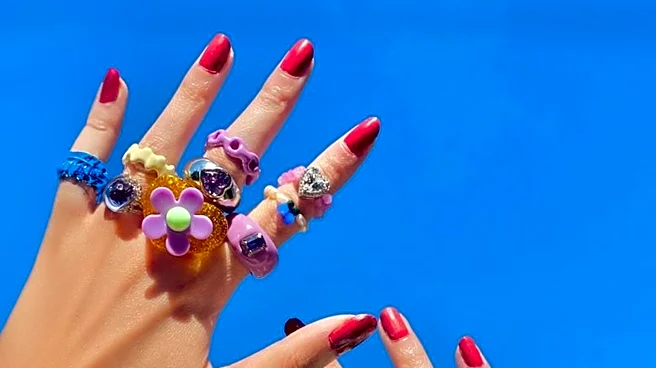
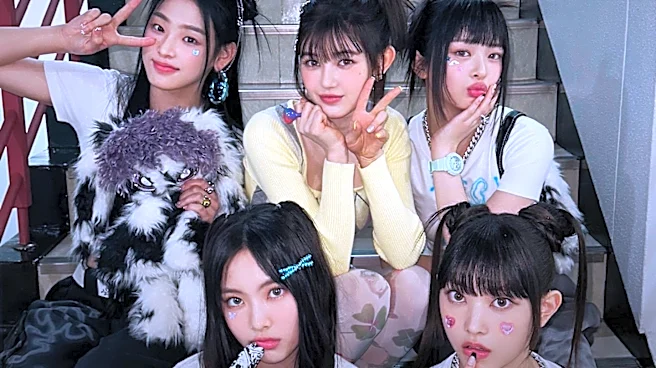
and futuristic elements. Key pieces include low-rise jeans, baby tees, halter tops, mini skirts, velour tracksuits (especially from Juicy Couture), cargo pants, and platform sneakers. Accessories like butterfly clips, rhinestone jewelry, chunky belts, baguette bags, and trucker hats are also central to the Y2K look. The color palette heavily features hot pink, baby pink, baby blue, lavender, silver, and metallics. Social media platforms like TikTok and Instagram are credited with fueling this resurgence, which aligns with a typical 25-year trend cycle for nostalgia in fashion. While the modern interpretation often tones down the more extreme elements, such as opting for mid-rise jeans or incorporating only one or two statement Y2K pieces, the core elements remain popular.
Why It's Important?
The resurgence of Y2K fashion highlights the cyclical nature of trends and the powerful influence of nostalgia, particularly among younger generations like Gen Z. This trend impacts the retail and fashion industries, as brands like Juicy Couture are re-releasing collections inspired by the era, and online retailers are stocking Y2K-inspired clothing. The emphasis on thrifting and DIY customization also points to a shift in consumer behavior, favoring sustainability and personalization. For consumers, this revival offers a playful and expressive way to engage with fashion, allowing for a mix of vintage and modern styles. The trend also underscores the role of social media in accelerating and popularizing fashion movements, demonstrating how digital platforms can shape mainstream aesthetics and consumer demand.
What's Next?
The Y2K fashion revival is expected to continue evolving, potentially blending with other aesthetics like 'McBling' and rave-influenced looks. While a definitive forecast for 2026 is not available, the sustained popularity suggests that elements of Y2K will remain relevant in fashion. Consumers are encouraged to focus on incorporating statement pieces that they find comfortable and enjoyable, rather than adopting the entire aesthetic head-to-toe. The trend's longevity will likely depend on its adaptability and how designers and consumers continue to reinterpret and integrate these nostalgic elements into contemporary wardrobes. The ongoing influence of social media will also play a crucial role in shaping future iterations and maintaining interest in Y2K-inspired styles.
Beyond the Headlines
The Y2K revival is more than just a fashion trend; it reflects broader cultural dynamics, including a longing for perceived simpler times and a playful engagement with the past. The deliberate choice to wear 'loud' Y2K styles can be seen as a counterpoint to more understated aesthetics like 'normcore,' which emerged as an 'exhaustion response' to overly loud fashion. This contrast highlights how fashion can serve as a form of social commentary or a means of opting out of prevailing trends. The accessibility of Y2K fashion through thrifting and DIY also democratizes style, allowing for personal expression without significant financial investment. This trend underscores the idea that fashion is not merely about clothing but also about identity, cultural memory, and the ongoing dialogue between past and present aesthetics.