
What's Happening?
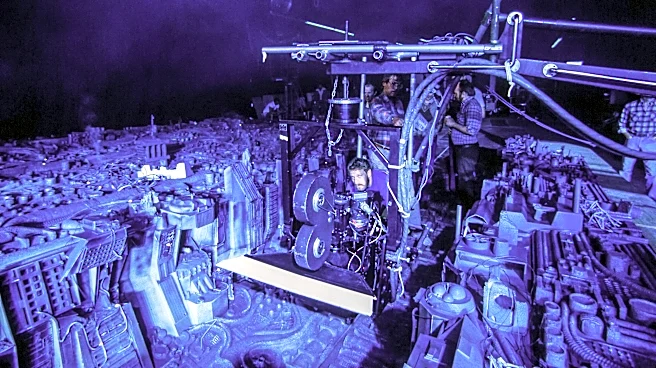
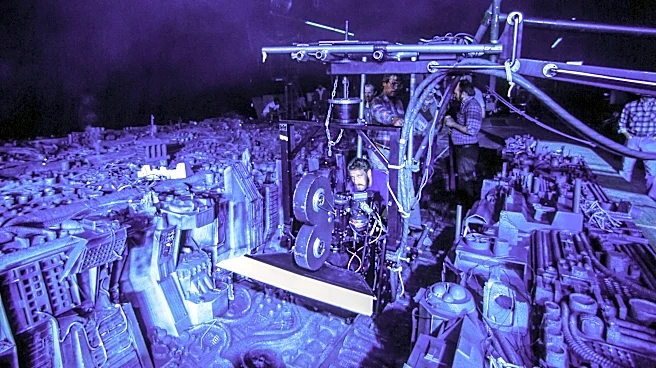
Bill George, an Oscar-winning visual effects supervisor with over 40 years of experience at Industrial Light & Magic (ILM), is sharing insights into his early work in the ILM Model Shop. A new video features
George discussing the creation of the Klingon Bird-of-Prey miniature, a significant prop for the Star Trek series. This behind-the-scenes look offers a detailed account of the craftsmanship and techniques employed in developing iconic visual effects models. George's extensive career at ILM has seen him contribute to numerous acclaimed productions, and this particular revelation sheds light on the intricate processes involved in practical effects before the widespread adoption of digital technologies. The focus is on the physical model-making aspect, highlighting the foundational skills that underpinned many classic science fiction visuals.
Why It's Important?
This story is important because it provides a rare glimpse into the historical and technical foundations of visual effects in the entertainment industry, particularly within a renowned company like ILM. Understanding the creation of physical models, such as the Klingon Bird-of-Prey, underscores the evolution of filmmaking techniques. It highlights the ingenuity and artistry required in practical effects, which laid the groundwork for modern computer-generated imagery. For enthusiasts of film history and visual effects, George's account offers valuable context on how complex cinematic worlds were brought to life. It also serves as a testament to the enduring legacy of skilled craftspeople in Hollywood, whose contributions often remain behind the scenes but are crucial to the magic of cinema. The insights from a veteran like Bill George can inspire future generations of visual effects artists and model makers.
What's Next?
While the source does not explicitly state future plans, the release of this video detailing Bill George's work on the Star Trek Bird-of-Prey miniature suggests a potential trend of ILM or related entities delving into their archives to share more historical insights. This could lead to further behind-the-scenes content, documentaries, or interviews with other long-serving visual effects artists. Such initiatives would likely continue to appeal to fans of classic science fiction and those interested in the technical aspects of filmmaking. The ongoing interest in practical effects, even in an era dominated by CGI, indicates that content celebrating the origins of visual effects will likely find a receptive audience. This could also encourage other studios or artists to share their own historical contributions to the field.
Beyond the Headlines
Beyond the immediate details of model creation, this story touches upon the broader cultural significance of iconic science fiction franchises like Star Trek and the role of visual effects in shaping their enduring appeal. The Klingon Bird-of-Prey, as a recognizable element of the Star Trek universe, demonstrates how meticulously crafted physical models become integral to a franchise's visual identity and fan engagement. The narrative also subtly highlights the transition within the visual effects industry from predominantly practical methods to digital ones, prompting reflection on the value and artistry of both approaches. It underscores the importance of preserving the knowledge and techniques of traditional model-making, as these skills remain relevant for certain artistic choices and can offer unique aesthetic qualities that digital effects sometimes struggle to replicate. This historical perspective enriches our understanding of cinematic innovation.