



What's Happening?
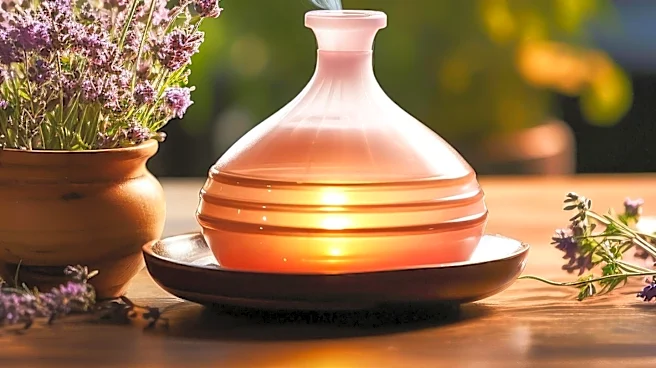
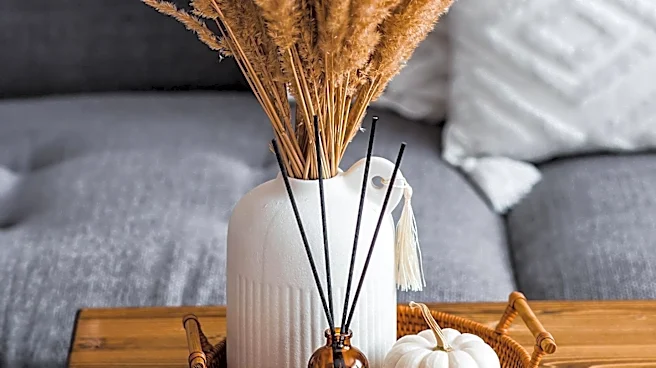
Home fragrance rituals are gaining prominence as a method to enhance living spaces and promote well-being, moving beyond simple pleasant smells to create sensory sanctuaries. The focus is on incorporating herbal scents like lavender, eucalyptus, sage,
thyme, and chamomile, which are noted for their grounding and clarifying properties. These rituals often involve low-lighting and natural essential oil blends, contrasting with synthetic fragrances that can be overpowering. The approach emphasizes thoughtful craftsmanship and premium materials, aiming to transform everyday routines into elevated experiences. Consistency in these rituals is highlighted as more important than the cost of the products used, suggesting a shift towards mindful engagement with one's environment.
Why It's Important?
This trend signifies a broader societal shift towards prioritizing mental well-being and creating intentional living spaces, particularly as more individuals spend increased time at home. The emphasis on natural, herbal scents over synthetic ones reflects a growing consumer preference for organic and health-conscious products, impacting the home fragrance and wellness industries. Businesses that adapt to this demand by offering natural essential oil blends, thoughtfully curated gift sets, and products designed for specific moods (e.g., calming lavender for sleep, stimulating rosemary for focus) stand to gain. Conversely, companies relying heavily on synthetic, single-note fragrances may see a decline in consumer interest. This movement also underscores the psychological impact of environment on mood and productivity, making it relevant for discussions around home design, personal care, and stress management.
What's Next?
The home fragrance market is likely to see continued innovation in natural and herbal scent profiles, with brands focusing on complex, layered aromas that evolve over time. There will be an increased demand for products that support specific well-being goals, such as improved sleep, focus, or relaxation. Consumers can expect to see more curated gift sets that combine various sensory elements, like scented candles with linen sprays or diffusers with complementary essential oil blends. Educational content on how to effectively layer scents, prevent olfactory fatigue, and maintain product freshness will also become more prevalent. The industry may also explore sustainable sourcing of natural ingredients and eco-friendly packaging to align with the values of this conscious consumer base.
Beyond the Headlines
The rise of home fragrance rituals extends beyond mere aesthetics, touching upon deeper psychological and cultural dimensions. It reflects a growing desire for control and comfort in an increasingly chaotic world, where the home becomes a personal refuge. The deliberate choice of natural, earthy scents can be seen as a reconnection with nature, offering a sense of grounding and stability that many seek. This trend also highlights the power of sensory experiences in shaping our emotional states and daily routines, suggesting a more holistic approach to self-care. Ethically, it raises questions about the transparency of ingredient sourcing and the environmental impact of fragrance production, pushing brands towards greater sustainability. Culturally, it signifies a move towards integrating mindfulness and ritual into everyday life, transforming mundane activities into opportunities for reflection and rejuvenation.