
What's Happening?
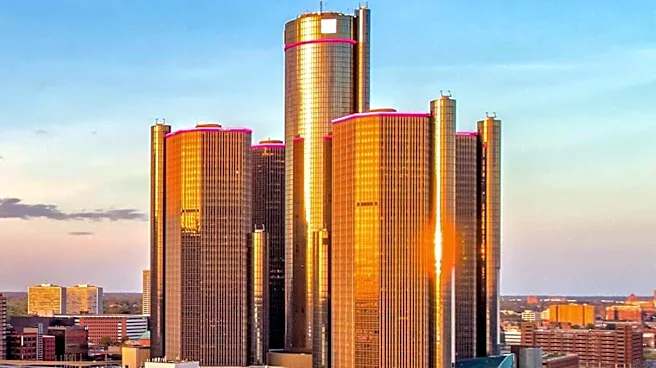
The Detroit City Council is deliberating on key components of a $2.2 billion redevelopment project for the Renaissance Center, proposed by Bedrock Detroit and General Motors. The project aims to transform
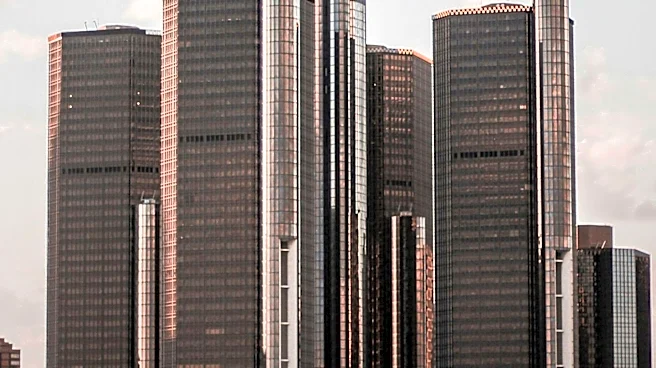
the near east riverfront, including the demolition of two of the Renaissance Center’s five towers, the construction of new entertainment and retail spaces, and enhancements to public areas. Bedrock and GM are seeking approximately $548 million in public subsidies, with about $300 million expected through a transformational brownfield plan. Bedrock officials argue that the Renaissance Center is obsolete and that their proposal is the only viable path forward, citing a lack of demand for office space. However, public records do not fully support this claim, and public bodies responsible for reviewing the subsidies have not evaluated alternative plans. Several city council members, including Gabriela Santiago-Romero, Latisha Johnson, and Denzel McCampbell, have raised concerns regarding financial transparency, the use of nondisclosure agreements, and the necessity of the subsidies. Activists and critics have also urged the City Council to delay action on the proposal.
Why It's Important?
This project carries significant implications for Detroit's urban development, public finances, and historical preservation. The requested $548 million in public subsidies represents a substantial investment of taxpayer money, raising questions about fiscal responsibility and the equitable allocation of resources. The debate over the necessity of demolishing parts of the iconic Renaissance Center highlights a tension between modernization and historical preservation, with architectural historians like Rebecca Binno Savage arguing against the demolition. The project's reliance on projected tax growth to justify the subsidies is also a point of contention, as past developments by Bedrock have not always delivered on promised tax revenues. The concerns raised by city council members about financial transparency and the lack of evaluation of alternatives underscore the need for rigorous due diligence in large-scale public-private partnerships. The outcome of this decision will not only shape Detroit's skyline but also set precedents for how public funds are used to support private development in the city.
What's Next?
The Detroit City Council is expected to vote on the key components of the redevelopment project, including the public subsidies, as early as Tuesday. Memos from several council members indicate a desire for more information and independent financial review before making a decision. The Planning and Economic Development Standing Committee has already sent the community benefits agreement to the full City Council without a recommendation, suggesting ongoing debate and potential for further scrutiny. Activists and critics will likely continue to advocate for a delay or rejection of the proposal, particularly concerning the demolition of the towers and the extent of public financing. The decision will require careful consideration of the project's economic benefits versus its financial costs and potential impact on the city's heritage. The outcome will reveal the City Council's stance on balancing development with public accountability and historical preservation.
Beyond the Headlines
The controversy surrounding the Renaissance Center redevelopment touches upon deeper issues of urban planning, corporate influence, and democratic accountability. The use of nondisclosure agreements and the perceived lack of transparency in financial documentation raise concerns about the public's right to information and the ability of elected officials to conduct thorough oversight. The project also highlights the ongoing challenge of revitalizing aging urban infrastructure while preserving historical landmarks. The argument that the Renaissance Center is 'obsolete' reflects a broader debate about the future of downtown office spaces in a changing economic landscape. Furthermore, the significant financial contributions from organizations and individuals associated with Bedrock to several council members introduce ethical considerations regarding potential conflicts of interest and the integrity of the decision-making process. This case could become a critical test of Detroit's commitment to equitable development and transparent governance.