







What's Happening?
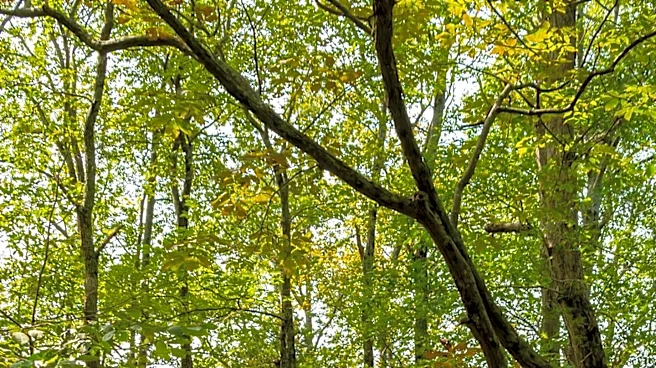
Eagle River, Wisconsin, has unveiled the state's first forest bathing trail, certified by the Association of Nature and Forest Therapy Guides and Programs. Known as Shinrin-yoku in Japan, forest bathing encourages individuals to slow down and immerse
themselves in a forest environment to reduce stress and improve well-being. The Tara Lila Forest Bathing Trail is a one-mile gravel path located on the Trees for Tomorrow campus, offering both guided sessions and solo walks. The practice, developed by Tomohide Akiyama in 1982 in Japan, aims to counteract rising stress-related depression by fostering a deeper connection with nature. Studies have indicated that forest bathing can measurably lower blood pressure and cortisol levels, and enhance sleep quality. Certified forest therapy guide Cindy Conlon describes the desired outcome as 'alert relaxation,' a state of being calm yet awake. The trail features nine stopping points, each with an invitation card prompting visitors to engage their senses by noticing sounds, smells, and textures.
Why It's Important?
The establishment of Wisconsin's first certified forest bathing trail signifies a growing recognition in the U.S. of nature-based therapies for mental and physical health. As modern life increasingly contributes to stress and sensory overload, practices like Shinrin-yoku offer an accessible and drug-free approach to improving public health. This initiative could inspire other states and communities to develop similar certified trails, expanding access to therapeutic natural environments. For individuals like Heather Fletcher, who uses the woods to reset her central nervous system after a stroke, and Russ Stauber, who seeks quiet after a career in noisy environments, these trails provide a vital sanctuary. The concept challenges the typical goal-oriented approach to outdoor activities, emphasizing mindful presence over physical exertion or step counts. This shift in perspective could lead to broader public health campaigns promoting nature immersion as a preventative and restorative health measure, potentially reducing healthcare burdens associated with stress-related conditions.
What's Next?
The Tara Lila Forest Bathing Trail is open year-round, with guided sessions available through Trees for Tomorrow and self-guided cards at the trailhead for individual use. The success and utilization of this trail could serve as a model for other regions considering similar initiatives. As awareness of forest bathing grows, there may be an increase in demand for certified guides and the development of more dedicated trails across the U.S. Educational programs and workshops on the benefits and techniques of forest bathing are also likely to expand, encouraging more people to incorporate this practice into their routines. The emphasis on slowing down and engaging senses in nature could influence how public parks and natural spaces are designed and promoted, shifting focus from purely recreational activities to holistic well-being experiences. Future research may further quantify the health benefits, potentially leading to broader acceptance and integration of forest bathing into wellness programs and even healthcare recommendations.
Beyond the Headlines
The emergence of certified forest bathing trails like Tara Lila points to a deeper societal yearning for reconnection with nature in an increasingly urbanized and digitally saturated world. This trend reflects a growing understanding of the intricate link between environmental health and human well-being. Beyond the immediate health benefits, forest bathing encourages a re-evaluation of our relationship with the natural world, fostering a sense of stewardship and appreciation for ecosystems. It challenges the prevailing cultural narrative that values constant productivity and speed, instead advocating for stillness and mindful presence. This shift could have long-term cultural implications, promoting a more sustainable and balanced lifestyle. The practice also highlights the importance of accessible natural spaces for all, including those with health challenges, underscoring the need for inclusive design in outdoor environments. Ultimately, forest bathing represents a quiet revolution in how we perceive and utilize nature for personal and collective healing.