







What's Happening?
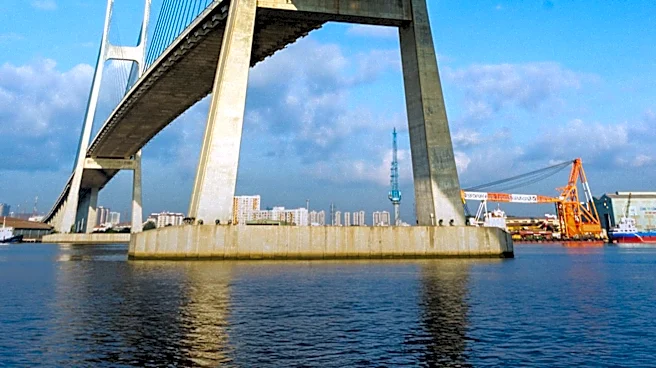
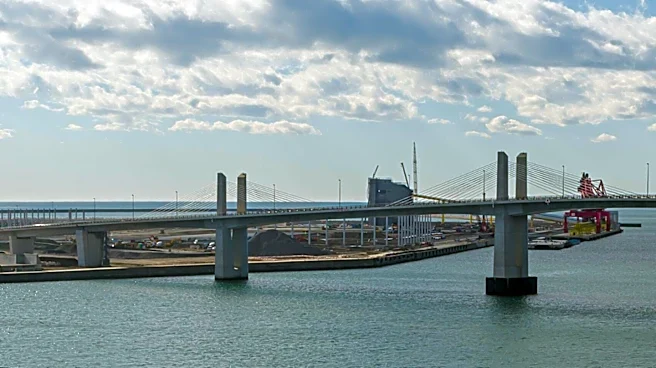
The United States and Canada have reached an agreement to open the Gordie Howe International Bridge, a new multibillion-dollar project linking Detroit, Michigan, and Windsor, Ontario. This development comes after a delay caused by a dispute over the bridge's
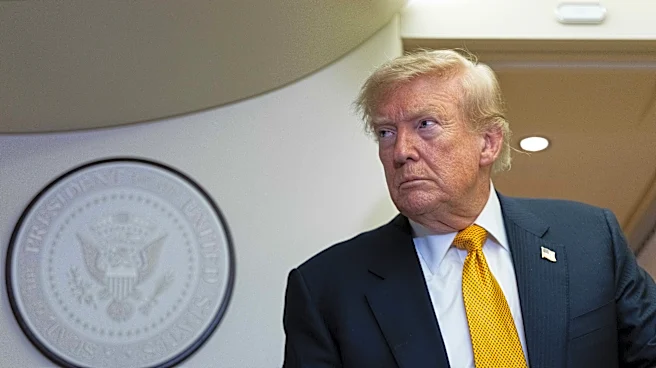
ownership and toll revenue distribution. Originally scheduled to open last month, the bridge will now officially open on July 27. The Windsor-Detroit Bridge Authority announced that both countries have agreed on cooperative measures regarding toll charges. President Trump, who had previously threatened to block the bridge's opening unless the U.S. secured an ownership stake, announced on Truth Social that a better deal was negotiated for the U.S. The new agreement stipulates that half of the net profits from the bridge will be allocated to a regional development fund. Additionally, the bridge authority will require U.S. approval for significant toll adjustments. Michigan Governor Gretchen Whitmer celebrated the bridge's opening, highlighting its potential to boost the local economy and create jobs.
Why It's Important?
The opening of the Gordie Howe International Bridge is significant for both the U.S. and Canadian economies, particularly in the automotive and agricultural sectors. The bridge is expected to facilitate faster transportation of goods, reduce costs, and ease traffic congestion, thereby enhancing trade efficiency between the two nations. The agreement to share toll revenue and the requirement for U.S. approval on toll changes reflect a collaborative approach to managing this critical infrastructure. This development is also a testament to the importance of cross-border cooperation in addressing logistical and economic challenges. The bridge's opening is anticipated to create jobs and stimulate economic growth in the region, benefiting industries and communities on both sides of the border.
What's Next?
With the bridge set to open on July 27, stakeholders will focus on ensuring a smooth operational launch. The Windsor-Detroit Bridge Authority will oversee the implementation of the agreed-upon toll measures and monitor traffic flow. Both governments will likely continue to collaborate on managing the bridge's operations and addressing any emerging issues. The regional development fund, supported by toll revenue, will be a key area of interest, as it could finance future infrastructure projects and community initiatives. The bridge's impact on trade and local economies will be closely watched, with potential adjustments to policies and operations based on initial outcomes.