


What's Happening?
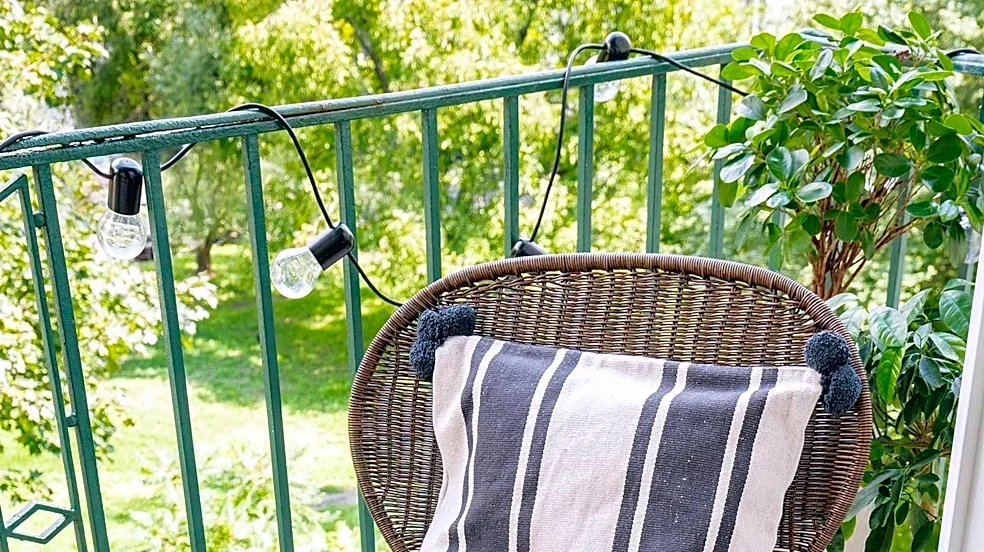
Container gardening is being highlighted as an effective and accessible method for individuals seeking a low-maintenance approach to cultivating plants. This technique is particularly beneficial for those with limited space, such as apartment dwellers,
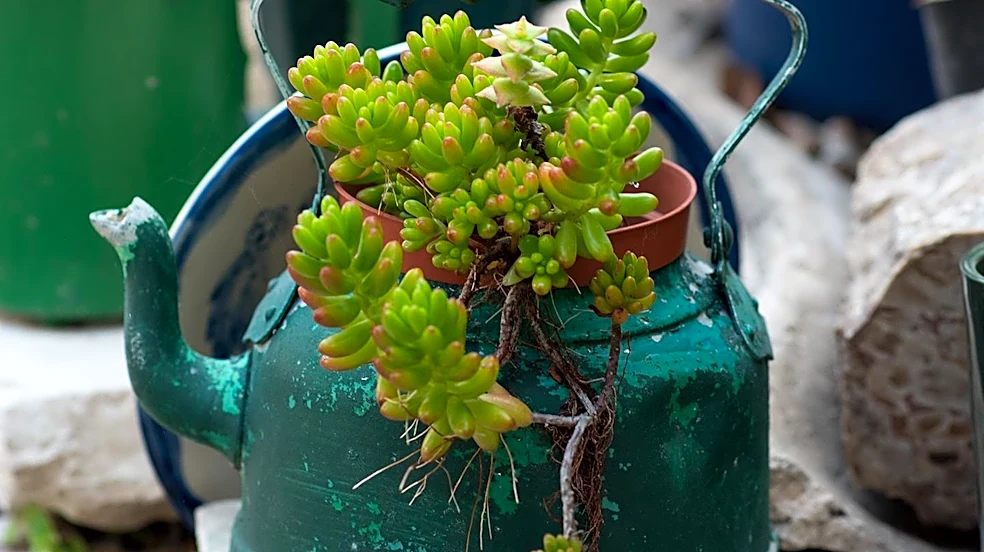
or individuals with mobility challenges, including older adults. By utilizing raised pots and containers, gardeners can bring plants within comfortable reach, eliminating the need for extensive bending, kneeling, or crouching. The method also promotes efficiency in smaller areas, allowing for the growth of herbs on windowsills or vegetables in patio containers. Innovations like self-watering containers further reduce the daily watering requirements, contributing to a hassle-free gardening experience. The emphasis is on creating a functional and vibrant garden without the constant upkeep often associated with traditional gardening, making it suitable for busy schedules or those desiring a less physically demanding hobby.
Why It's Important?
The growing interest in container gardening reflects a broader societal shift towards more accessible and sustainable lifestyle practices. For urban populations, where green spaces are often limited, container gardening provides a viable solution for connecting with nature and producing fresh produce. This method can significantly improve the quality of life for individuals with physical limitations, enabling them to engage in a rewarding activity that might otherwise be inaccessible. Economically, it can lead to savings on groceries by allowing individuals to grow their own herbs and vegetables. Environmentally, by encouraging the use of native plant varieties and efficient watering systems, container gardening can reduce water consumption and the need for chemical fertilizers and pesticides, contributing to healthier local ecosystems. The promotion of such gardening techniques supports mental well-being by offering a relaxing and productive hobby that requires less strenuous effort.
What's Next?
As the popularity of low-maintenance and accessible gardening grows, there is likely to be an increased demand for specialized products and resources tailored to container gardening. This could include the development of more advanced self-watering systems, compact plant varieties optimized for container growth, and educational programs on urban gardening techniques. Horticultural companies and nurseries may expand their offerings to cater to this market, providing a wider selection of suitable plants and containers. Additionally, community initiatives and workshops focusing on container gardening could emerge, further empowering individuals to adopt this method. The trend may also influence urban planning and residential design, with more emphasis placed on incorporating accessible gardening spaces in new developments and existing communities, fostering a more inclusive and green environment.
Beyond the Headlines
The embrace of container gardening extends beyond mere horticultural practice; it signifies a deeper cultural movement towards self-sufficiency, sustainability, and well-being in an increasingly urbanized world. It challenges the traditional perception of gardening as a labor-intensive activity requiring vast plots of land, democratizing access to plant cultivation. This shift can foster a greater appreciation for food sources and the natural world, even in metropolitan settings. Ethically, it promotes a more mindful consumption pattern and reduces reliance on industrial food systems. The psychological benefits, such as stress reduction and a sense of accomplishment, are also profound, offering a therapeutic outlet for many. Ultimately, container gardening represents a micro-revolution in how individuals interact with their environment, promoting resilience, resourcefulness, and a connection to nature in everyday life.