






What's Happening?
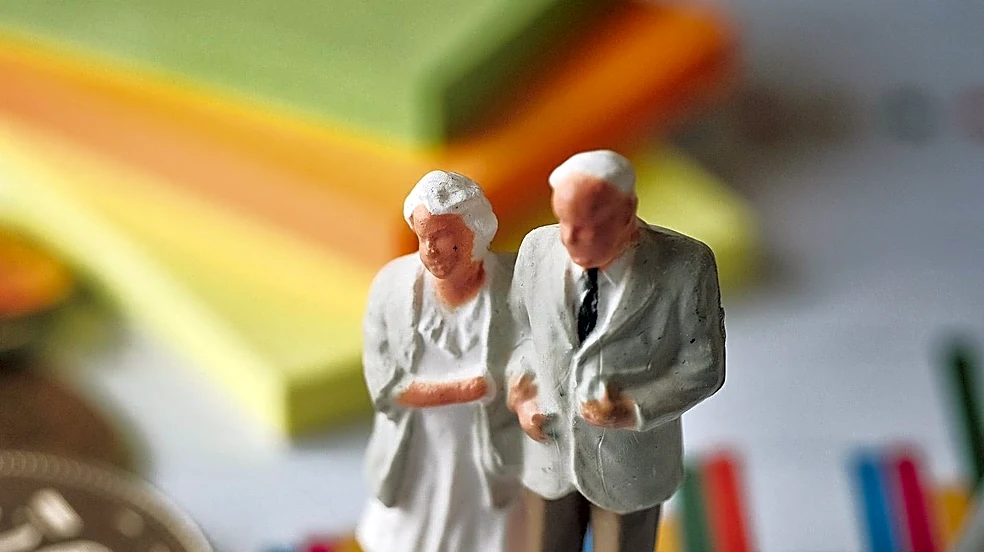
Gratitude practices, such as noticing and appreciating meaningful moments, are being highlighted as gentle ways for older adults to reflect, connect with others, and enjoy ordinary life. Research suggests these interventions can lead to modest benefits
in psychological well-being, including increased positive feelings and life satisfaction. These practices are most effective when voluntary and specific, allowing for the acknowledgment of difficult feelings. Examples of such practices include noticing one good moment, making appreciation personal by recalling specific memories, keeping a shared note of appreciated things, inviting grandchildren to contribute, and taking appreciation walks. It is crucial to avoid forcing gratitude, especially when individuals are experiencing grief or sadness, and to recognize that gratitude practices are not a substitute for professional healthcare for persistent low mood or withdrawal.
Why It's Important?
The emphasis on gentle and voluntary gratitude practices for older adults underscores a shift towards holistic well-being approaches that acknowledge the complexities of aging. As individuals age, they often face losses, health concerns, and significant life adjustments, which can lead to a range of emotions. Providing accessible and non-prescriptive methods for fostering appreciation can enhance their quality of life and social connections. This approach is particularly important in senior living communities and family settings, where it can facilitate more meaningful conversations beyond routine care. By focusing on specific, small moments of appreciation, these practices can help older adults and their families find joy and connection, contributing to a more supportive and emotionally rich environment.
What's Next?
Families and caregivers of older adults may increasingly incorporate these gentle gratitude practices into daily interactions, focusing on shared moments and personal reflections rather than rigid exercises. Senior living communities, like Ciela, are likely to continue integrating such activities into their social programs, aiming to enhance residents' well-being and foster a sense of community. Healthcare professionals will likely continue to emphasize that while gratitude practices offer benefits, they should complement, not replace, professional medical and psychological support for mental health conditions. The ongoing research into gratitude interventions will further refine best practices, ensuring that these approaches remain sensitive to individual needs and emotional states.
Beyond the Headlines
The discussion around gratitude for older adults highlights a broader societal recognition of the importance of emotional well-being at all life stages. It challenges the notion that happiness must be a constant state, instead promoting the idea that appreciation can coexist with grief and other difficult emotions. This nuanced understanding of gratitude can lead to more compassionate care strategies, where the focus is on validating an individual's entire emotional experience rather than pushing for forced positivity. Furthermore, by encouraging intergenerational gratitude practices, such as involving grandchildren, these initiatives can strengthen family bonds and create lasting memories, fostering a sense of continuity and connection across generations.