

What's Happening?
Former NASCAR Cup Series driver Jeremy Mayfield has voiced strong criticism regarding recent incidents at Martinsville where Carson Hocevar and Josh Berry allegedly used deliberate brake-checks to damage competitors' cars. According to Mayfield, speaking
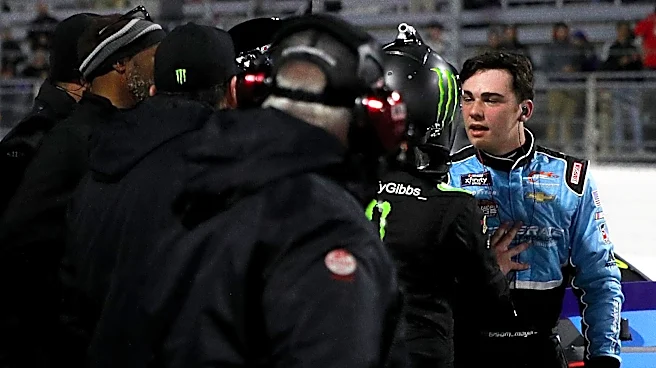
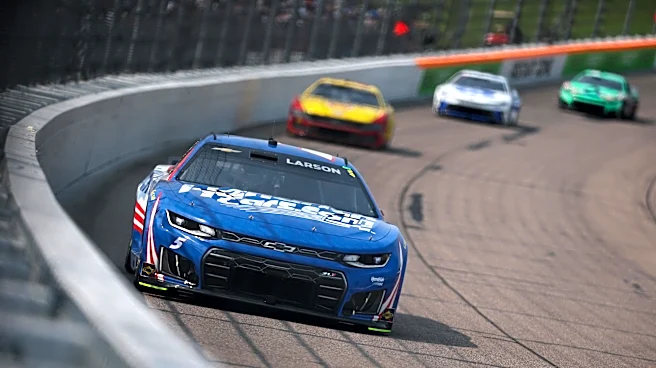
on 'The Jeremy Mayfield Show,' these actions exploited a known weakness in NASCAR's Next Gen short-track package, specifically the modified front-end structure. Hocevar reportedly brake-checked Austin Cindric four times, leading to significant front-end damage to Cindric's No. 2 Ford and ending his race. Similarly, Berry brake-checked Ryan Blaney after slight contact, causing heavy front-end damage to Blaney's No. 12 Ford, which required extensive repairs and effectively ended his championship hopes. NASCAR responded by issuing matching 25-point deductions to both drivers, with Hocevar receiving a $100,000 fine and Berry a $50,000 fine. Spire Motorsports, Hocevar's team, independently suspended him for the season finale at Homestead.
Why It's Important?
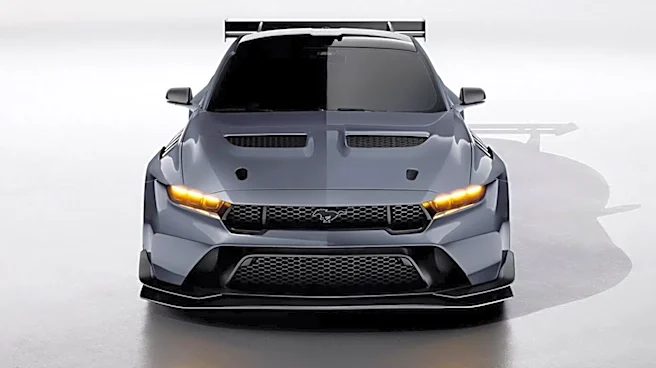
This situation highlights a critical safety and integrity issue within NASCAR racing. The exploitation of the Next Gen car's front-end vulnerability, which was modified to reduce the severity of traditional bumper-to-bumper impacts, raises questions about driver conduct and the effectiveness of current car designs. The incidents at Martinsville demonstrate that drivers are willing to use tactical maneuvers that intentionally cause significant damage to competitors, potentially compromising safety and fair play. The differing financial penalties for Hocevar and Berry, with Hocevar receiving a larger fine due to previous behavioral issues, indicate NASCAR's concern over repeat offenders and the deliberate nature of these actions. This could lead to a re-evaluation of car specifications and stricter enforcement of on-track conduct to prevent such tactics from becoming a regular part of racing strategy, impacting the competitive landscape and driver relationships.
What's Next?
NASCAR will likely face pressure to address the structural vulnerability of the Next Gen car's front end, potentially leading to further modifications or rule changes to prevent drivers from using it as a weapon. Discussions among drivers and teams about adding more structure back to the front of the cars are already underway. The penalties issued to Hocevar and Berry, along with Hocevar's suspension, send a clear message that such behavior is unacceptable, but the long-term effectiveness of these deterrents remains to be seen. The incident has also strained relationships between drivers, as noted by Ryan Blaney regarding his interaction with Josh Berry. Future races will be closely watched for similar incidents, and NASCAR's response to any recurrence will be crucial in shaping driver behavior and maintaining the sport's integrity.
Beyond the Headlines
The incidents at Martinsville delve deeper than just on-track penalties; they expose a tension between competitive aggression and ethical sportsmanship in professional racing. The modification of the Next Gen car's bumpers, intended to improve safety by reducing head impacts from repeated rear-end collisions, inadvertently created a new vulnerability that drivers exploited. This raises ethical questions about whether drivers should intentionally leverage design flaws to gain an advantage, even if it means damaging a competitor's vehicle and potentially jeopardizing their race. The debate extends to the responsibility of NASCAR in designing cars that are robust enough to withstand aggressive racing without creating exploitable weaknesses. This situation could prompt a broader discussion within motorsports about the balance between innovation, safety, and the spirit of fair competition, potentially influencing future car designs and driver conduct regulations across various racing series.