






What's Happening?
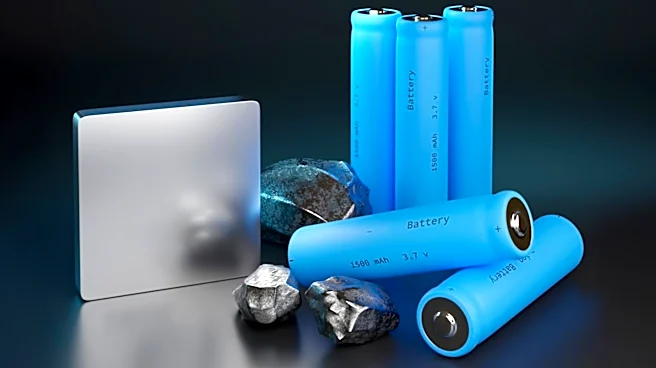
As the demand for electric vehicles (EVs) and energy storage solutions grows, researchers are focusing on developing new battery technologies that are more efficient and less reliant on scarce materials. While lithium-ion batteries currently dominate
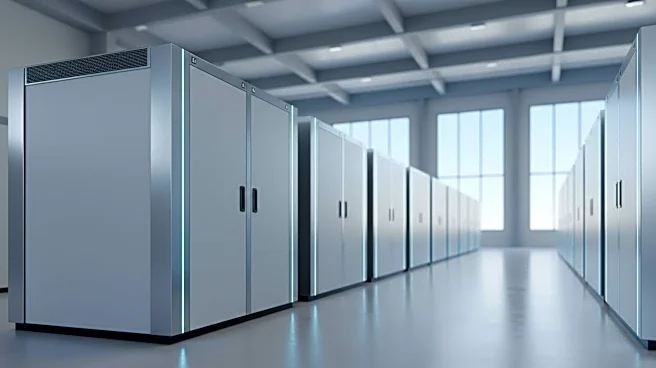
the market, sodium-ion and solid-state batteries are emerging as promising alternatives. Sodium-ion batteries, which use more readily available materials, are being considered for grid storage applications due to their ability to function well in cold temperatures. Meanwhile, solid-state batteries, which replace liquid electrolytes with solid materials, offer higher energy densities and improved safety features. Companies like Toyota, Nissan, and QuantumScape are actively working on bringing these technologies to market, with projections for commercial availability by 2028.
Why It's Important?
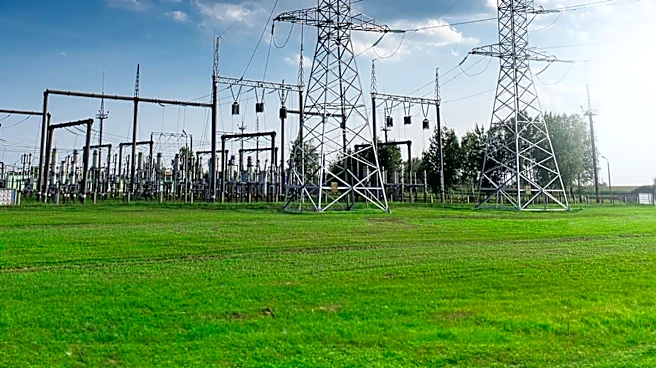
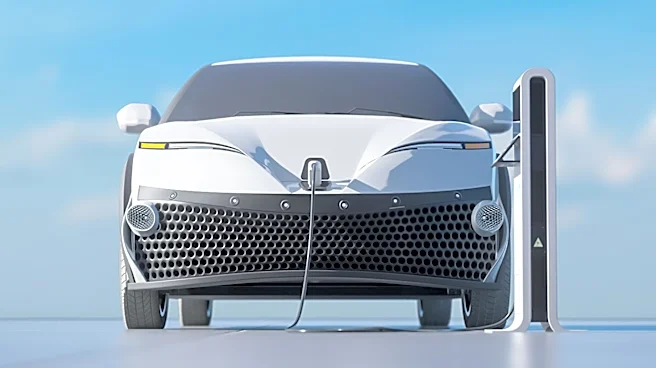
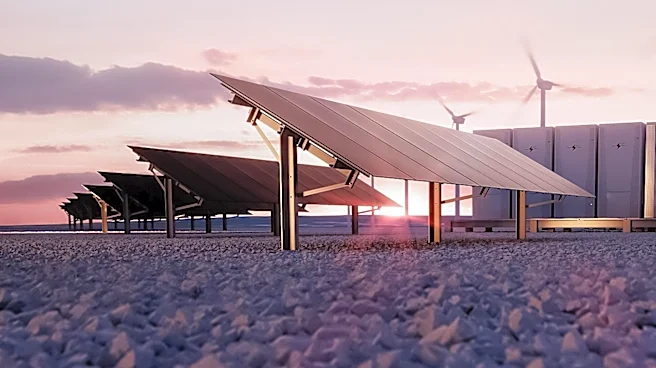
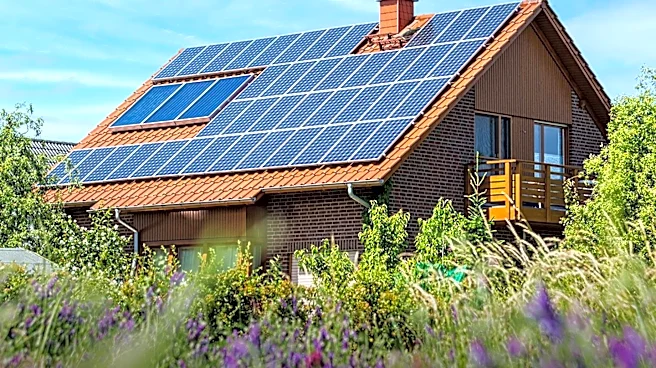
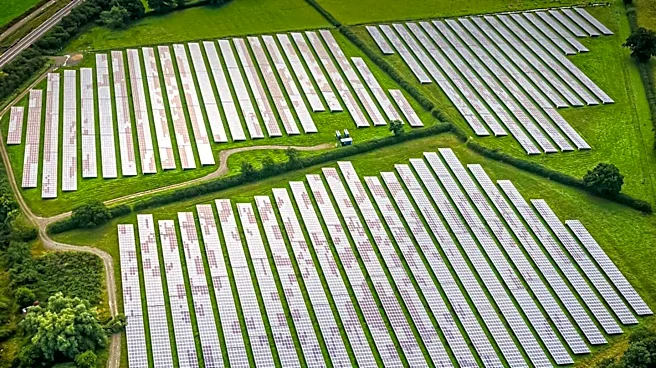
The development of sodium-ion and solid-state batteries could significantly impact the energy storage and automotive industries by providing more sustainable and efficient alternatives to current lithium-ion technology. Sodium-ion batteries, with their easier-to-source materials, could reduce dependency on lithium, which is often mined in environmentally sensitive areas. Solid-state batteries promise to enhance the range and safety of electric vehicles, potentially doubling the distance EVs can travel on a single charge. These advancements could lead to more resilient energy markets and support the transition to renewable energy sources by providing reliable storage solutions for solar and wind power.
What's Next?
The next steps involve scaling up production and overcoming technical challenges associated with these new battery technologies. For sodium-ion batteries, improving energy density and reducing costs are key priorities. Solid-state batteries face challenges in manufacturing and cost, but ongoing research and development efforts aim to address these issues. As these technologies mature, they are expected to enter niche markets initially, with broader adoption anticipated as production efficiencies improve. The success of these innovations could lead to significant shifts in the global battery supply chain and energy storage landscape.
Beyond the Headlines
The shift towards sodium-ion and solid-state batteries also raises important considerations for environmental sustainability and resource management. As these technologies become more prevalent, the need for robust recycling systems will grow to prevent environmental harm from battery disposal. Additionally, the development of these batteries could spur economic growth in regions with abundant sodium resources, potentially altering global trade dynamics. The integration of artificial intelligence in battery research is accelerating the discovery of new materials and formulations, highlighting the intersection of technology and sustainability in the energy sector.