








What's Happening?
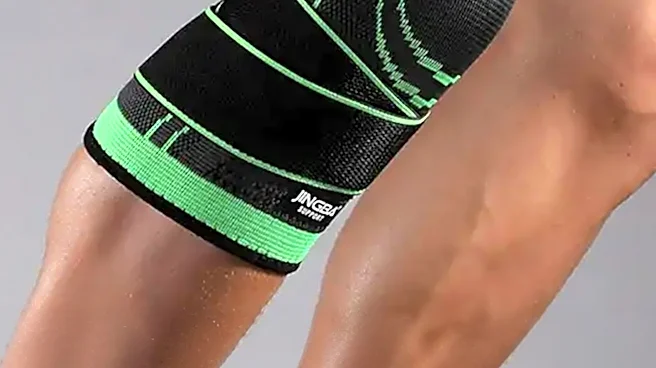
Wearing compression garments is highly recommended during all activity, including light cardio, for several weeks following liposuction. These garments play a vital role in reducing swelling, supporting healing tissues, and encouraging the skin to conform
to new contours. Surgeons typically advise wearing them for the initial four to six weeks post-procedure. During workouts, it's essential to keep the garment on unless specifically advised otherwise by the surgeon. Proper fit is crucial: a garment that is too tight can restrict breathing or movement, while a loose one will not provide adequate support. Patients are advised to check for even pressure and ensure there is no pinching. Light cardio, such as short, gentle walks, is encouraged early in recovery to promote circulation, minimize bruising and swelling, and reduce the risk of clotting, but high-impact exercise and heavy lifting should be avoided until fully cleared by a surgeon.
Why It's Important?
The emphasis on compression garments in post-liposuction recovery highlights their critical role in achieving optimal surgical outcomes and patient safety in the U.S. cosmetic surgery industry. Proper use of these garments directly impacts the healing process, influencing the reduction of complications like seroma formation, wound separation, and delayed healing. For patients, adherence to compression garment protocols is essential for both physical recovery and the aesthetic success of the procedure, ensuring a smoother, more contoured silhouette. This also underscores the importance of clear communication and detailed aftercare instructions from medical professionals. The market for post-surgical compression wear is directly influenced by the prevalence of cosmetic procedures like liposuction, driving demand for specialized, well-fitting garments that cater to various body areas and recovery stages.
What's Next?
Patients undergoing liposuction can expect continued guidance on the phased return to physical activity, with compression garment use being a central component. Surgeons will likely continue to recommend wearing these garments consistently in the initial weeks, gradually reducing wear time as swelling subsides. The development of more comfortable, breathable, and aesthetically pleasing compression garments that still provide effective support could be a future trend, enhancing patient compliance. Further research may also refine the optimal duration and pressure levels for compression post-liposuction, tailoring recommendations to individual patient needs and the extent of the procedure. The integration of wearable technology to monitor swelling or tissue healing in conjunction with compression garments could also emerge as a way to personalize and improve recovery protocols.
Beyond the Headlines
The role of compression garments in post-liposuction care extends beyond mere physical support; it also addresses the psychological aspect of recovery. Patients often seek cosmetic procedures to improve body image and confidence, and the visible results are crucial. Compression garments help manage the initial swelling and bruising, allowing patients to see the emerging contours more clearly, which can be highly motivating. The discipline required to wear these garments consistently also reinforces a commitment to the recovery process and the long-term maintenance of results. This highlights the interplay between medical intervention, patient compliance, and psychological well-being in the context of cosmetic surgery, where the journey to a desired aesthetic involves both surgical expertise and diligent post-operative care.