



What's Happening?
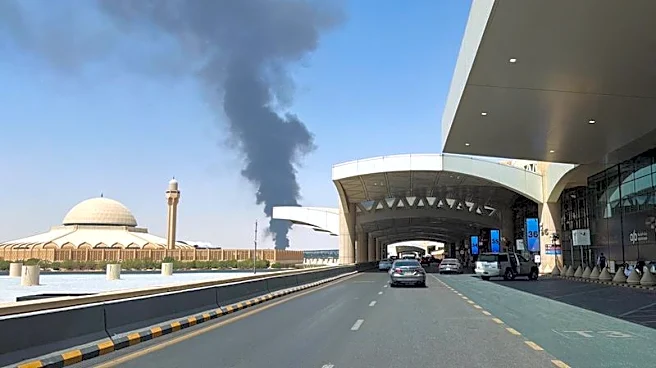
The FIA has canceled the Saudi Arabian rally race, which was scheduled to be the final round of the 2026 World Rally Championship (WRC) season from November 12-15 in Jeddah. The cancellation is attributed to "ongoing regional developments." This announcement
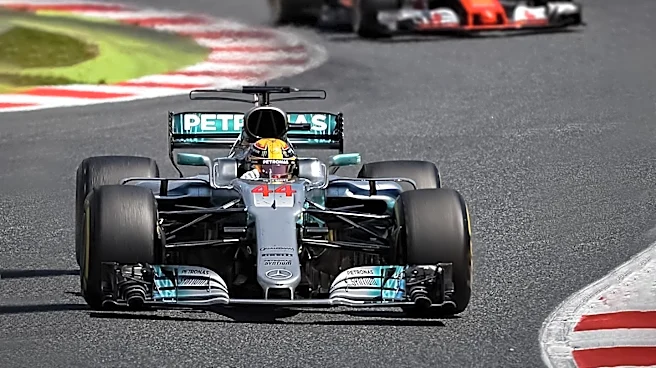
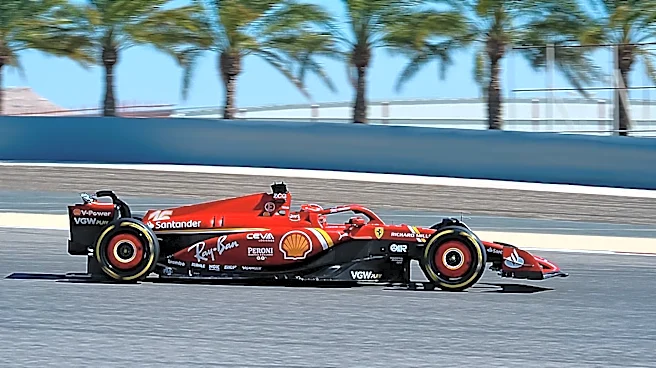
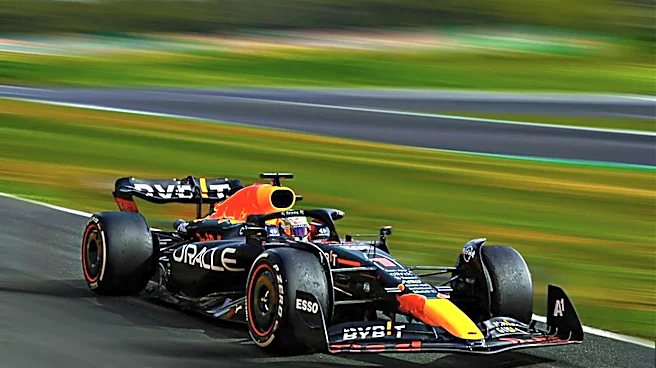
comes as Formula 1 faces a decision regarding the final two races of its 2026 season, currently penciled in for Qatar on November 29 and Abu Dhabi on December 6. While F1 is proceeding with plans for these Middle Eastern finales, a rough deadline of the end of September has been set to assess and formalize the plan. Imola, in Italy's Emilia-Romagna region, has been identified as a contingency location should the Middle Eastern races be canceled. Abu Dhabi has already announced its musical lineup for the race weekend, suggesting plans are still in place.
Why It's Important?
The cancellation of the Saudi Arabian rally race and the uncertainty surrounding the Formula 1 finales in Qatar and Abu Dhabi highlight the significant impact of geopolitical instability on international sporting events. For Formula 1, the potential relocation of its season-ending races could have substantial logistical and financial implications for teams, sponsors, and broadcasters. The Middle East has become a crucial region for F1, hosting multiple races and attracting significant investment. Any disruption could affect the sport's global calendar and revenue streams. The situation also underscores the challenges faced by international sports organizations in navigating complex political landscapes and ensuring the safety of participants and spectators, while maintaining their event schedules.
What's Next?
Formula 1 executives are expected to make a firm decision regarding the Qatar and Abu Dhabi races by the end of September. This deadline is crucial for allowing adequate planning time for teams, especially if the season finale needs to be switched to Imola, Italy. The ongoing regional developments will be closely monitored by the FIA and F1 management to assess the safety and feasibility of holding events in the Middle East. The decision will likely involve extensive consultations with local authorities, security experts, and participating teams. Depending on the outcome, contingency plans for logistics, travel, and event organization will be activated if the races are moved. The situation also raises questions about the long-term stability of sporting events in the region.
Beyond the Headlines
The repeated cancellations and uncertainties surrounding sporting events in the Middle East due to regional instability point to a broader trend of geopolitical factors influencing global sports. This situation could prompt sports organizations to re-evaluate their long-term strategies for hosting events in politically sensitive areas, potentially leading to a diversification of host locations or more stringent risk assessments. It also brings to light the ethical considerations of holding major international events in regions experiencing conflict. The economic impact on local economies that rely on these events for tourism and revenue is also a significant, though often overlooked, consequence. The need for robust contingency planning and adaptability in international sports management is clearly demonstrated by these developments.