







What's Happening?
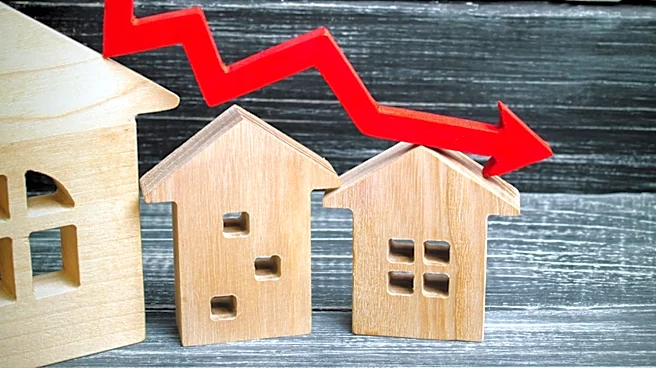
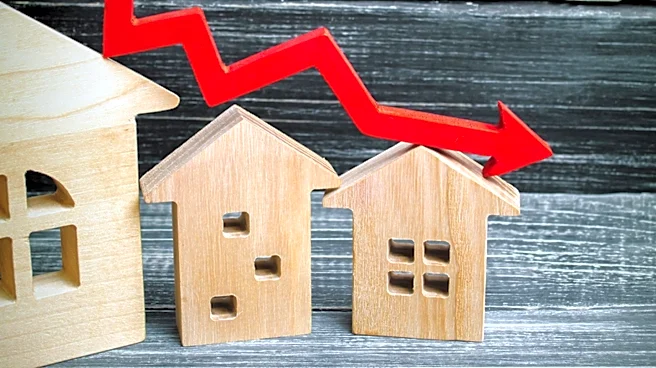
Mortgage rates in the U.S. have continued their downward trend for the third consecutive week, providing some relief to prospective homebuyers. According to Freddie Mac’s Primary Mortgage Market Survey, the average rate for a 30-year fixed mortgage dropped
to 7.18% for the week ending November 5, down from 7.24% the previous week. The 15-year fixed mortgage rate also saw a slight decrease, falling to 6.57% from 6.60%. This marks a cumulative decline from 7.32% on October 22, offering a more favorable environment for individuals looking to purchase homes. While the weekly changes are modest, the consistent decline over three weeks translates into more significant savings for borrowers. For instance, a $350,000 loan balance on a 30-year fixed loan would see monthly principal and interest payments decrease by approximately $14 from last week, and about $32 compared to the rate on October 22. This trend is occurring amidst a backdrop of strong economic growth, which Freddie Mac notes is improving the setting for buyers.
Why It's Important?
The continued decline in mortgage rates is significant for the U.S. housing market and potential homebuyers. Lower rates can make homeownership more accessible by reducing monthly mortgage payments, potentially allowing more buyers to qualify for loans or afford higher-priced homes. This relief could stimulate buyer activity, which has been somewhat subdued due to previously rising rates. For sellers, an increase in buyer confidence and affordability could lead to more serious offers and a more active market. While the current rates are still higher than those observed a year ago (e.g., 6.22% for a 30-year fixed mortgage on November 6, 2025), the recent downward trajectory provides a psychological boost and tangible financial benefits. The savings, though not substantial enough for a vacation, can help buyers stay within lender maximum payment limits or free up funds for other housing-related expenses like insurance and taxes. This shift could also influence negotiations, potentially making temporary rate buydowns offered by sellers more effective.
What's Next?
The ongoing decline in mortgage rates may encourage more prospective homebuyers to enter the market or finalize their purchase decisions. Buyers who were previously on the fence due to high rates might find the current environment more appealing. Lenders may see an uptick in pre-approval applications and rate lock requests. For those already under contract, some may explore repricing options if their loan terms allow for a float-down. However, experts advise against rushing into a purchase solely based on these rate drops, emphasizing careful consideration of personal financial situations, long-term plans, and the suitability of the home. The market will likely continue to monitor economic indicators, as strong economic growth could prevent rates from falling significantly lower, keeping them in the mid-7% range rather than a rapid descent towards 6%. Buyers are encouraged to shop around for lenders, compare loan estimates, and consider both 30-year and 15-year fixed options to optimize their financial outcomes.
Beyond the Headlines
The current trend of declining mortgage rates amidst strong economic growth presents an interesting dynamic that challenges conventional expectations. Typically, a robust economy might lead to higher interest rates to curb inflation. However, the bond market, which mortgage rates follow, appears to be anticipating a cooling of inflation or less pressure on future policy rates, allowing longer-term yields to slip. This nuanced interplay suggests that homebuyers should not solely rely on broad economic headlines to predict rate movements. Instead, a more granular approach of monitoring personal quotes week by week is advisable. The relief offered by these rate drops also highlights the importance of financial preparedness, such as having an emergency fund and closing-cost cash, to fully capitalize on favorable market conditions. Furthermore, the advice to prioritize the right home over a slightly better rate underscores the long-term commitment of homeownership, where location, commute, schools, and budget alignment remain paramount, regardless of short-term rate fluctuations.