







What's Happening?
The global oil market is experiencing a significant transformation, largely driven by developments in the Americas. Historically seen as regional production hubs, countries like the United States, Canada, Brazil, Guyana, and Argentina are now key players
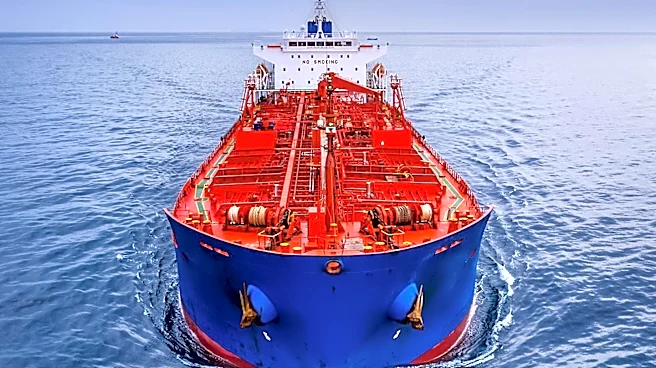
in a more integrated export platform. This shift is altering global crude flows, with the Americas increasingly supplying Europe and Asia. The change is not just about production growth but also involves new pricing relationships, investment priorities, and commercial strategies. The U.S. remains a central figure in this export network, but the collective efforts of these countries are creating a diversified supply network in the Atlantic Basin. This evolution is crucial as buyers seek reliable alternatives to traditional Middle Eastern oil exports, especially in light of recent disruptions in the Strait of Hormuz.
Why It's Important?
The shift in the global oil trade has broad implications for energy security and economic strategies. As geopolitical uncertainties persist, the reliability and geographic diversity of energy supplies have become paramount. The Americas' growing role as a stable and dependable source of oil strengthens their competitive position in the global market. This transformation also impacts how crude oil is marketed and valued, with factors like freight economics and refinery demand playing significant roles. For the U.S. and its partners, this evolution offers opportunities to capture additional market share and influence global energy dynamics. The focus on export infrastructure and commercial excellence is becoming as crucial as production capabilities, marking a new era in the oil industry.
What's Next?
As the Americas continue to expand their influence in the global oil market, companies and governments will likely invest more in infrastructure and commercial capabilities. This includes enhancing export terminals, storage facilities, and refining capacities to ensure they can meet international demand efficiently. The ongoing geopolitical tensions may further accelerate the shift towards more diversified and secure energy partnerships. Additionally, the focus on commercial strategies and market intelligence will likely intensify, as stakeholders aim to navigate the complexities of a globalized energy market. The ability to deliver oil to the right markets at the right time will be a defining factor in the coming years.