





What's Happening?
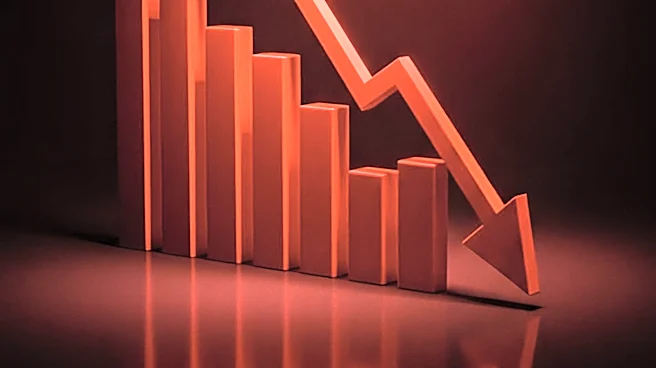
The Organisation for Economic Co-operation and Development (OECD), a policy forum for industrialized nations, has recently pointed to a deceleration in growth across major global economies. This assessment comes despite recent turbulence in financial
markets and ongoing concerns about a potential recession in the United States. The OECD, which comprises 30 member countries and focuses on economic development, trade, investment, and taxation, has also issued a strong recommendation against protectionist policies. It emphasizes the critical importance of maintaining and strengthening global trade efforts to foster economic stability and growth. In a related development, Czechia has taken on the role of chairing the OECD Council for the first time since joining the organization in 1995, indicating its increased involvement in the forum's leadership.
Why It's Important?
The OECD's warning about slowing economic growth and its call to avoid protectionism carry significant implications for the U.S. economy and global trade. A slowdown in major economies could impact U.S. exports and overall economic performance, potentially exacerbating existing recession fears. Protectionist measures, such as tariffs or trade barriers, could disrupt global supply chains, increase costs for U.S. consumers and businesses, and reduce the competitiveness of American industries. The emphasis on global trade efforts underscores the interconnectedness of the world economy and the potential negative consequences of isolationist policies. For U.S. businesses, this means navigating a potentially more challenging international economic landscape, while policymakers will face pressure to implement strategies that support open trade and mitigate economic downturns. The leadership role of Czechia within the OECD also signifies evolving dynamics within the organization, potentially influencing future policy discussions that could affect U.S. economic interests.
What's Next?
In the immediate future, the OECD's pronouncements will likely prompt increased scrutiny from U.S. economic policymakers and financial institutions regarding the trajectory of global growth and the potential for a U.S. recession. Discussions within international forums, including the OECD, will likely focus on strategies to stimulate economic activity and reinforce global trade frameworks. Member countries, including the U.S., will be encouraged to resist protectionist temptations and instead pursue policies that promote open markets and international cooperation. Businesses operating internationally will need to monitor these economic trends closely and adapt their strategies to potential shifts in global demand and trade policies. The new chairmanship of Czechia within the OECD Council may also introduce new perspectives or priorities into the organization's agenda, which could influence future policy recommendations and initiatives relevant to U.S. economic interests.
Beyond the Headlines
Beyond the immediate economic indicators, the OECD's stance highlights a deeper philosophical debate about the future of globalization and international cooperation. The call to avoid protectionism reflects a commitment to the principles of free markets and interconnected economies that have largely defined the post-World War II global order. However, rising nationalist sentiments and economic anxieties in various countries, including the U.S., often fuel protectionist tendencies. This tension between global integration and national self-interest presents a significant challenge for policymakers. The long-term implications could involve a re-evaluation of existing trade agreements and international economic institutions. The OECD's continued advocacy for open trade and economic cooperation serves as a reminder of the potential benefits of a collaborative global economy, while also implicitly acknowledging the political pressures that threaten these principles. The organization's role in fostering dialogue and setting standards remains crucial in navigating these complex global economic currents.