



What's Happening?
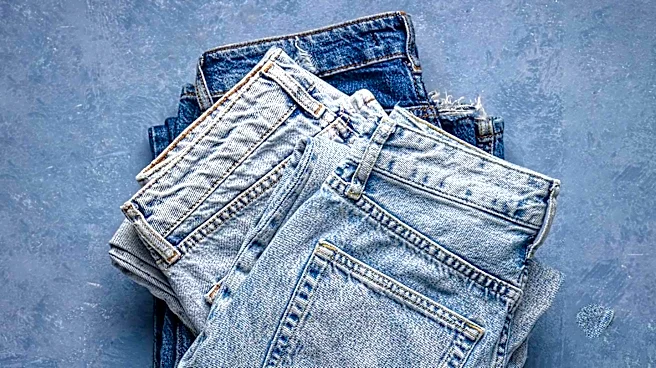
Cologne-based fashion label Armedangels is significantly expanding its partnership with Dutch fiber manufacturer SaXcell, integrating the recycled cellulose fiber into a broader denim program for its Fall/Winter 2026 womenswear and menswear collections.
This move follows the successful, sold-out launch of the world's first commercial SaXcell collection for Spring/Summer 2025, marking a transition from a pilot project to commercial scaling. SaXcell-Lyocell, the fiber in question, combines 30 percent recycled cotton waste with 70 percent FSC-certified wood pulp, processed using a closed-loop Lyocell method. This blend reduces the need for new wood pulp compared to conventional Lyocell and requires no additional cultivation areas or pesticides for the recycled component. The fiber is certified and traceable throughout its supply chain. For the AW26 collection, Armedangels will use a material blend of 57 percent organic cotton and 43 percent SaXcell-Lyocell in several denim styles, making SaXcell a permanent feature of its Detox Denim program.
Why It's Important?
This development is important for the U.S. fashion industry and consumers as it signifies a growing trend towards scalable, circular textile solutions. While recycled fibers accounted for 7.6 percent of global fiber production in 2024, true textile-to-textile recycling from pre- and post-consumer waste remained below one percent, highlighting a significant gap in sustainable practices. Armedangels' successful commercialization of SaXcell demonstrates that advanced recycling technologies can move beyond pilot phases to become viable components of mainstream fashion production. For U.S. brands, this could inspire greater investment in similar sustainable material innovations and partnerships, driven by increasing consumer demand for eco-friendly products. It also sets a precedent for how brands can integrate recycled content into core product lines, potentially influencing U.S. supply chains and manufacturing practices to adopt more circular models. The emphasis on traceability and certification also aligns with growing U.S. consumer and regulatory interest in transparent and ethical supply chains.
What's Next?
The expansion of SaXcell into Armedangels' denim program suggests a continued push towards integrating advanced recycled fibers into mainstream fashion. Other U.S. and international fashion brands will likely observe the commercial success and consumer reception of this initiative. This could lead to increased adoption of SaXcell or similar textile-to-textile recycling technologies across the industry. Further research and development will likely focus on improving the efficiency and cost-effectiveness of these recycling processes, as well as exploring new sources of textile waste. Armedangels and SaXcell are also exploring how post-consumer cotton waste from Armedangels' own products could be directly recycled, indicating a future trend towards closed-loop systems within individual brands. This could prompt U.S. brands to invest in infrastructure for collecting and processing their own textile waste, fostering a more localized and circular economy.
Beyond the Headlines
Beyond the immediate commercial implications, Armedangels' commitment to scaling SaXcell highlights a critical shift in the fashion industry's approach to sustainability. It moves beyond incremental improvements to address the fundamental challenge of textile waste and resource depletion. The collaboration underscores the idea that technological solutions for recycling are available, but the real hurdle lies in transitioning from successful pilot projects to long-term commercial viability. This initiative also brings to light the ethical and environmental dimensions of material sourcing, emphasizing the reduction of virgin resource consumption and the avoidance of harmful chemicals. For the U.S., this could spark broader conversations about policy incentives for sustainable fashion, investment in textile recycling infrastructure, and consumer education on the impact of their purchasing choices. It also challenges the traditional linear model of fashion production, advocating for a more circular economy where materials are continuously reused and recycled, ultimately contributing to a more sustainable future for the industry.