




What's Happening?
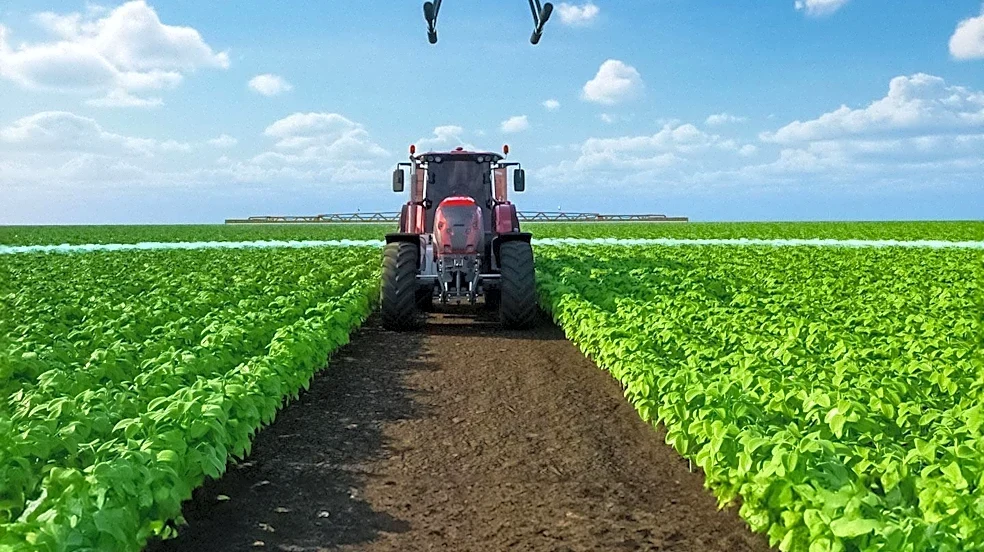
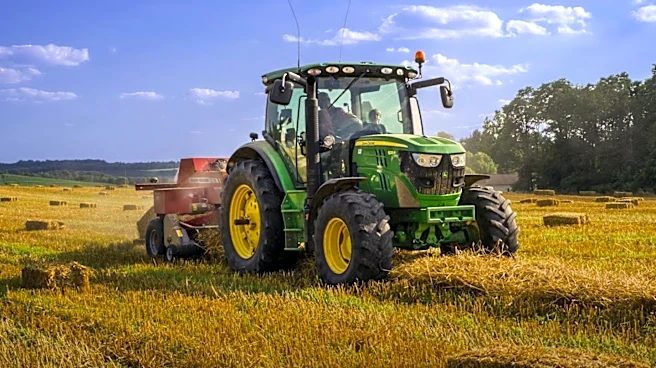
In the United States, 70% of large-scale crop-producing farms utilized tractor and harvester guidance autosteering systems in 2023, according to the USDA Economic Research Service. This widespread adoption underscores a significant shift in agricultural
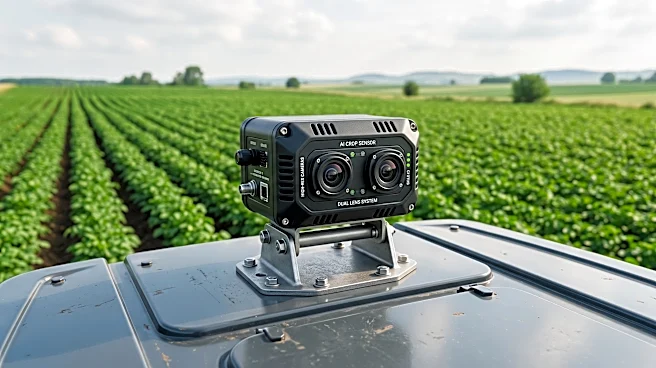
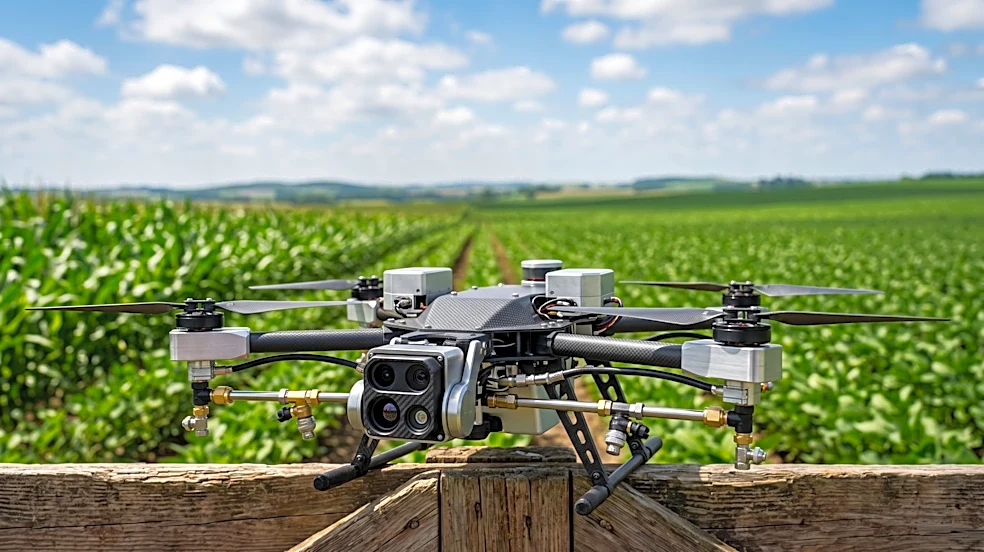
practices towards data-driven decisions. Precision agriculture, which moves away from uniform field management, integrates technologies such as GPS guidance, yield mapping, variable-rate application, remote sensing, and connected farm machinery. This approach aims to optimize machinery operations, irrigation, and input application based on specific field conditions. The global precision agriculture market, valued at US$11.2 billion in 2025, is projected to reach US$26.95 billion by 2035, growing at a compound annual growth rate (CAGR) of 9.4% from 2026 to 2035. This growth is fueled by the demand for data-enabled farm operations and technologies that enhance the efficiency of fertilizer, pesticide, water, and labor use. North America currently holds the largest share of this market, supported by its established agricultural mechanization and high adoption rates of digital farm technologies.
Why It's Important?
The increasing adoption of precision agriculture technologies, particularly autosteer systems, by large U.S. crop farms has significant implications for the agricultural sector and broader economy. These technologies improve operational precision, reduce labor demands, and support more efficient farm management, directly impacting farmers' profitability by minimizing waste and maximizing yields. The shift from traditional uniform application practices to data-driven methods allows for optimized use of expensive inputs like fertilizer and pesticides, which can lead to substantial cost savings. Furthermore, the growth of the precision agriculture market creates opportunities for equipment manufacturers, farm software developers, sensor providers, and agricultural technology companies. Companies like John Deere and AGCO are investing in autonomous machinery and integrated farm management solutions, demonstrating a competitive shift towards retrofitting existing machinery with advanced guidance and data management capabilities. This trend also addresses critical challenges such as labor shortages and the need for sustainable farming practices, contributing to food security and environmental stewardship.
What's Next?
The precision agriculture market is expected to continue its rapid expansion, with a projected global value of US$26.95 billion by 2035. Future developments will likely focus on enhancing autonomy and artificial intelligence in agricultural machinery, enabling machines to perform tasks with less continuous operator involvement. The commercial availability of retrofit options, such as PTx Trimble's OutRun autonomous grain-cart solution, indicates a trend towards incremental adoption of automation, allowing farmers to upgrade existing equipment rather than replacing entire fleets. Competitive strategies will increasingly involve offering integrated platforms and retrofit kits that are compatible across mixed equipment fleets, reducing adoption costs for farmers. Additionally, the market will see continued innovation in areas like vision-based spraying and farm data management, with companies like AGCO and John Deere showcasing new technologies that leverage computer vision and AI. The USDA's 2025 technology-use report will provide further insights into the evolving landscape of precision agriculture practices across U.S. farms.
Beyond the Headlines
The widespread adoption of precision agriculture technologies like autosteer systems signifies a deeper transformation in the agricultural industry, moving towards a more technologically advanced and data-centric future. This shift has ethical implications regarding data ownership and privacy, as farm data becomes a valuable asset. The increasing reliance on complex technology also raises questions about digital literacy among farmers and the potential for a widening gap between technologically advanced large farms and smaller operations that may struggle to afford or implement these systems. Furthermore, the environmental benefits of precision agriculture, such as reduced chemical runoff and more efficient water use, contribute to long-term sustainability goals, aligning with broader societal demands for environmentally responsible food production. The development of interoperability standards, like ISO 11783 (ISOBUS), is crucial for ensuring that farmers can integrate different brands of equipment, fostering a more open and competitive technological ecosystem in agriculture.