




What's Happening?
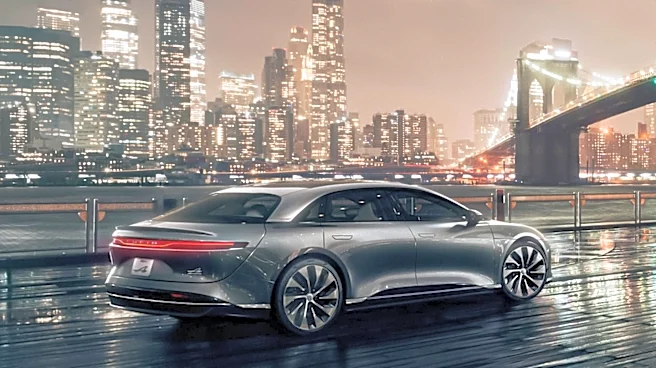
Lucid Motors has implemented new mandatory repair protocols for structural damage on its Air and Gravity electric vehicles. According to a position statement issued on September 1, all structural repairs now require pre- and post-repair three-dimensional
digital measurement reports. These measurements are crucial for assessing whether an impact has caused more than 3 mm of distortion, which would necessitate replacement of the affected part. The post-measurement confirms that the repair has restored the vehicle to its original dimensions. Both reports must be completed before any alignment or ADAS (Advanced Driver-Assistance Systems) or safety-system calibration is performed. The company specifies that these reports must be uploaded to the Lucid Repair Tracker. Furthermore, Lucid has stated that certain high-pressure die-cast components, such as the front and rear torque boxes and the mid-floor crossmember casting on the Air, and the front and rear torque boxes and the mid-floor mega-casting on the Gravity, are not repairable in the event of a collision and are not available as service parts. Unauthorized repair of these components could compromise crash integrity, though damage can be submitted to the Lucid Body Repair Team for evaluation of potential localized repair options.
Why It's Important?
These new repair mandates from Lucid Motors are significant for several reasons, primarily concerning vehicle safety, repair industry standards, and consumer protection. By requiring precise 3D digital measurements before and after structural repairs, Lucid aims to ensure that its luxury electric vehicles maintain their original crash integrity and safety standards post-collision. This move sets a high bar for repair shops, potentially increasing the complexity and cost of repairs for Lucid owners, as specialized equipment and training will be necessary to meet these stringent requirements. For the automotive repair industry, it signifies a growing trend towards more sophisticated repair methodologies driven by advanced vehicle designs and materials. The non-repairable status of certain high-pressure die-cast components also has substantial implications, as it could lead to higher repair costs or even total loss declarations for vehicles with damage to these critical structural elements. This policy underscores Lucid's commitment to safety and structural integrity, but it also places a greater burden on owners and insurers regarding repairability and associated expenses.
What's Next?
In the immediate future, repair facilities working on Lucid Air and Gravity models will need to adapt to these new protocols, investing in the necessary 3D digital measurement equipment and ensuring their technicians are adequately trained. Lucid has approved specific systems for these measurements, including Car-O-Liner Vision X2, Celette Naja, Spanesi Touch, and Carbench Contact Evolution. The company will likely continue to update its Lucid Tech-Info Portal with current allowable repairs and guidelines. Owners of Lucid vehicles involved in collisions will need to be aware of these strict repair requirements, which could influence insurance claims and repair decisions. The automotive insurance industry will also need to adjust its assessment and payout strategies to account for the potentially higher costs associated with these specialized repairs and the non-repairable nature of certain structural components. This could lead to increased premiums or more frequent total loss declarations for Lucid vehicles with significant structural damage.
Beyond the Headlines
The implementation of these advanced repair protocols by Lucid Motors highlights a broader shift in the automotive industry, particularly within the electric vehicle sector, towards highly integrated and specialized vehicle architectures. The use of high-pressure die-cast components, while offering benefits in terms of structural rigidity and weight reduction, introduces challenges for repairability and sustainability. This trend raises questions about the long-term environmental impact of manufacturing and repairing such vehicles, as non-repairable parts may lead to more frequent vehicle write-offs and increased waste. Ethically, it underscores the tension between cutting-edge design for safety and performance, and the practicalities of repair and affordability for consumers. As EV technology continues to evolve, the balance between innovative manufacturing techniques and the need for accessible, sustainable repair solutions will become an increasingly important consideration for manufacturers, regulators, and consumers alike.