


What's Happening?
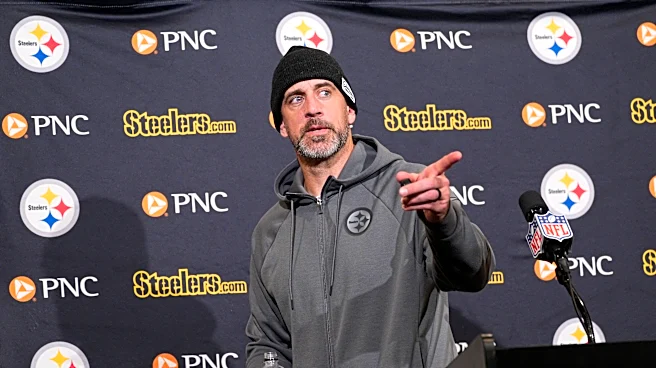
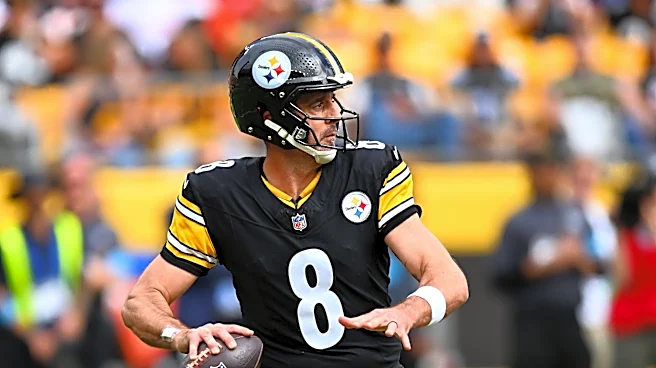
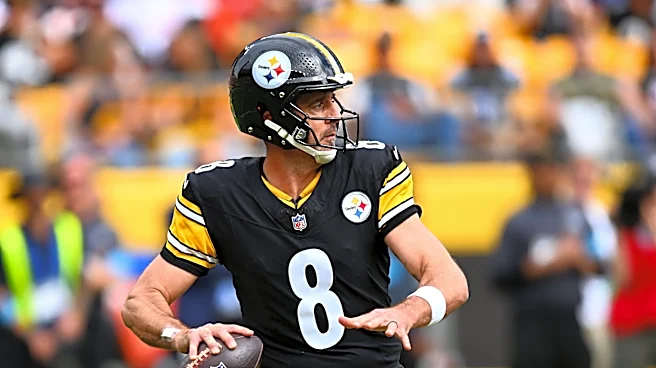
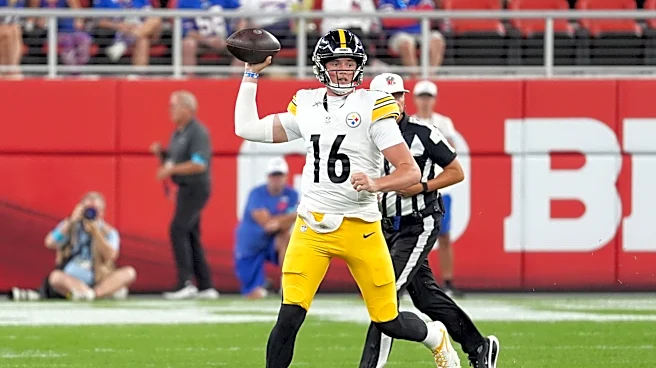
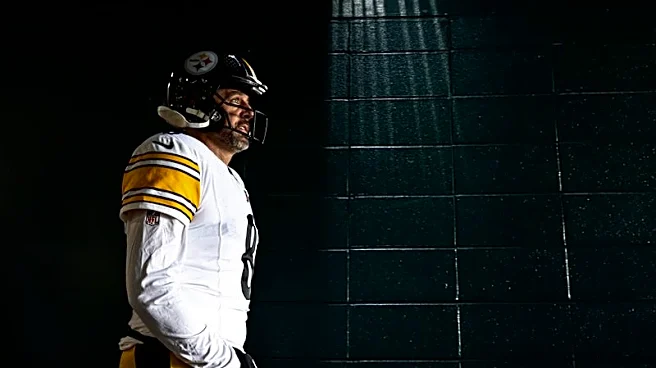
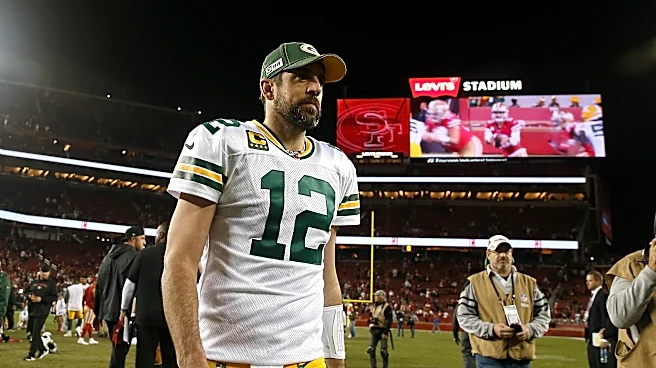
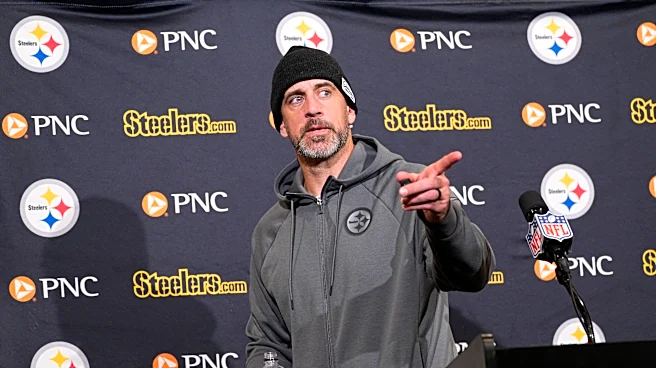
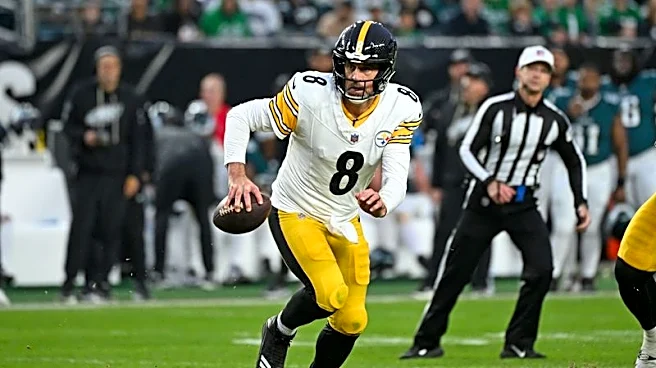
Aaron Rodgers, the four-time MVP, has announced his intention to retire from the NFL after being benched by the Pittsburgh Steelers. According to TMZ, Rodgers publicly criticized Steelers coach Mike McCarthy during an appearance on "The Pat McAfee Show."
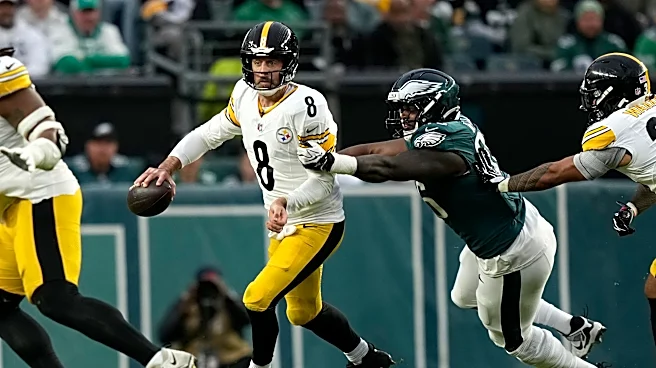
Rodgers alleged that McCarthy has been unprofessional, citing instances of the coach dozing off in meetings since training camp, missing walk-throughs, and even mistakenly shouting "1, 2, 3, Packers" during a recent game against the Eagles. Rodgers claims he confronted McCarthy multiple times about his well-being and suggested he step aside, but McCarthy reportedly denied any issues. The Steelers officially released Rodgers following his comments, and he stated he would not be returning to Pittsburgh. Rodgers also revealed that he learned of his benching from teammate Pat Freiermuth, despite having met with McCarthy hours earlier.
Why It's Important?
This development marks a significant shift in the NFL landscape, as one of its most prominent quarterbacks exits the league under controversial circumstances. Rodgers' public criticism of a head coach, particularly one with whom he has a long history, highlights potential internal team dysfunction and could impact future coaching and player relationships across the league. For the Steelers, the release of Rodgers and the public airing of grievances could create a challenging environment, potentially affecting team morale and future recruitment efforts. The incident also brings into question the communication protocols within NFL teams, as Rodgers reportedly learned of his benching from a teammate rather than directly from the coaching staff. This situation could lead to increased scrutiny on how teams manage player relations and coaching accountability.
What's Next?
Following Rodgers' announcement, the NFL and the Steelers organization may face further questions regarding the alleged conduct of Coach Mike McCarthy. The league could initiate an internal review into the claims made by Rodgers, particularly concerning McCarthy's alleged behavior during team activities. For the Steelers, the immediate focus will be on their quarterback situation, with Mason Rudolph now slated to start against the Denver Broncos. The team will need to address the fallout from Rodgers' departure and work to maintain team cohesion. Rodgers' retirement will also open up a significant roster spot and salary cap space for the Steelers, prompting decisions on how to utilize these resources in the upcoming seasons. The public's perception of both Rodgers and McCarthy may also be shaped by any further statements or investigations.
Beyond the Headlines
The public nature of Rodgers' criticisms and his subsequent retirement could set a precedent for how high-profile athletes address perceived unprofessionalism within their organizations. This incident touches upon the delicate balance of power between star players and coaching staff, and the expectations of professionalism in professional sports. The long-standing tension between Rodgers and McCarthy, dating back to their time with the Green Bay Packers, suggests deeper issues that can persist across different teams and impact team dynamics. This situation also underscores the role of media platforms, such as "The Pat McAfee Show," in providing athletes a direct channel to communicate their perspectives, potentially bypassing traditional team-controlled narratives. The incident could spark broader discussions about mental health and well-being among coaches and players in high-pressure professional sports environments.